Question 1:
When driving through a curve, you should:
A
speed up as you enter, slow down as you exit.
B
stay near the right of your lane.
C
maintain constant speed.
D
slow as you enter, speed up as you exit.
The correct driving rule is: slow as you enter, speed up as you exit. Following standard DMV road rules and practicing defensive driving ensures safety for all road users.
Question 2:
As you drive, you must turn your headlights on:
A
one-half hour before sunrise.
B
one-half hour after sunset.
C
when the road ahead is clear.
D
All of the above.
All of the listed points are essential driving requirements: one-half hour before sunrise; one-half hour after sunset; when the road ahead is clear. Practicing each ensures compliance with DMV safety laws.
Question 3:
Alcohol:
A
decreases your driving errors.
B
has a negative effect on your reaction time.
C
makes you feel less confident.
D
begins to metabolize itself more quickly.
Under state DUI and traffic safety laws: has a negative effect on your reaction time. Alcohol degrades judgment, slows reaction times, and distorts depth perception.
Question 4:
Headlights must be turned on from sunset to sunrise. If you are using your high beams, you must dim your lights when an oncoming vehicle is within:
A
250 feet
B
400 feet
C
500 feet
D
100 feet
The correct driving rule is: 500 feet. Following standard DMV road rules and practicing defensive driving ensures safety for all road users.
Question 5:
Animals may be transported in the back of a pickup truck only if:
A
the tailgate of the truck is closed.
B
the sides of the truck bed are at least 18 inches high.
C
they are properly secured.
When sharing the road with other vehicles: they are properly secured. Giving large vehicles and vulnerable users adequate clearance prevents dangerous accidents.
Question 6:
At many intersections a right turn may be made while the traffic light is red. Before turning right drivers must:
A
stop, look both ways and yield the right of way to pedestrians and other traffic.
B
slow down and, if the way is clear, proceed without stopping.
C
maintain constant speed because they have the right of way.
The correct driving rule is: stop, look both ways and yield the right of way to pedestrians and other traffic. Following standard DMV road rules and practicing defensive driving ensures safety for all road users.
Question 7:
 This road sign means:
A
A road joins from the left
B
The road ahead turns sharply right then sharply left
C
Sharp right turn
D
Winding road ahead
This traffic sign indicates: The road ahead turns sharply right then sharply left. Observing and obeying all roadway signs ensures safe traffic flow and legal driving.
Question 8:
The most common cause of traffic crashes is:
A
human error.
B
bad road conditions.
C
wet pavement.
D
bad weather.
The correct driving rule is: human error. Following standard DMV road rules and practicing defensive driving ensures safety for all road users.
Question 9:
U-turns are illegal:
A
on limited access expressways.
B
in school zones.
C
in business districts of New York City.
D
All of the above.
All of the listed points are essential driving requirements: on limited access expressways; in school zones; in business districts of New York City. Practicing each ensures compliance with DMV safety laws.
Question 10:
As you approach an intersection, the traffic light changes from green to yellow. You should:
A
apply the brakes sharply and come to a complete stop.
B
be prepared to stop before the intersection.
C
be prepared to stop in the middle of the intersection.
D
speed up to beat the red light.
According to standard right-of-way regulations: be prepared to stop before the intersection. Yielding appropriately prevents intersection collisions and maintains safe traffic flow.
Question 11:
A round, yellow traffic sign with a black 'X' and the letters 'RR' warns you of:
A
A rest area ahead
B
A highway interchange
C
A railroad crossing ahead
D
A roundabout entry
Circular yellow signs are exclusively used for advanced warnings of railroad crossings.
Question 12:
On the highway, you should look well down the road:
A
in order to avoid emergency braking or steering.
B
because it usually takes 500 feet or more to come to a complete stop on the highway.
C
because it helps you keep up with traffic.
Defensive driving guidelines state that: in order to avoid emergency braking or steering. Anticipating road hazards and communicating maneuvers keeps traffic predictable and safe.
Question 13:
If you have had three beers in the past hour, about how long will it take for all the alcohol to leave your blood stream?
A
Two hours.
B
Three hours.
C
One hour.
Under state DUI and traffic safety laws: Three hours. Alcohol degrades judgment, slows reaction times, and distorts depth perception.
Question 14:
When you see a 'reduced speed ahead' sign, you as a driver should know:
A
that you should maintain your vehicle’s speed till you get to the slower speed zone.
B
that the sign is only there for poke-along drivers.
C
that you should begin to reduce your vehicle’s speed.
D
that it's dangerous to slow down because traffic starts to back up.
For safe speed and stopping control: that you should begin to reduce your vehicle’s speed. Adjusting speed to match visibility and road traction prevents loss of steering grip.
Question 15:
It is against the law to enter an intersection when:
A
the light is yellow and you can stop safely.
B
you can’t get all the way across before the light turns red.
C
the light is flashing yellow and you didn’t stop first.
According to standard right-of-way regulations: you can’t get all the way across before the light turns red. Yielding appropriately prevents intersection collisions and maintains safe traffic flow.
Question 16:
You see a pedestrian with a white cane at the corner ready to cross the street. The person takes a step back and pulls his/her cane. You should:
A
stop your vehicle a minimum of six feet from the crosswalk and wait for the person to cross the street.
B
proceed across the street because the person is not ready to cross.
C
honk your horn to let the person know when to crosswalk and wait for the person to cross the street.
Drivers must always yield the right-of-way to pedestrians crossing at intersections and crosswalks: proceed across the street because the person is not ready to cross. Stop and allow them to clear the lane safely.
Question 17:
While inside the roundabout, you should:
A
remain in your lane until you are ready to exit.
B
change lanes before you check for vehicles behind you.
C
use your left turn signal if you are in position to exit now.
Vehicles entering a roundabout must yield right-of-way to circulating traffic already inside: remain in your lane until you are ready to exit. Wait for a safe gap before entering.
Question 18:
 This sign means:
A
No traffic signal ahead
B
Traffic signal ahead
C
Open intersection ahead
This traffic sign indicates: traffic signal ahead. Observing and obeying all roadway signs ensures safe traffic flow and legal driving.
Question 19:
To turn right at an intersection with a steady red light, you should:
A
signal and wait until the light turns green.
B
slow down and look for traffic before turning.
C
stop, signal, then turn if it is safe to do so and there’s no sign prohibiting the turn on red.
D
wait until you have a green turn arrow.
According to standard right-of-way regulations: stop, signal, then turn if it is safe to do so and there’s no sign prohibiting the turn on red. Yielding appropriately prevents intersection collisions and maintains safe traffic flow.
Question 20:
 This road sign means:
A
Divided highway ahead - stay to the right
B
Do not enter
C
Do not pass
This traffic sign indicates: Divided highway ahead - stay to the right. Observing and obeying all roadway signs ensures safe traffic flow and legal driving.
Question 21:
Tires with metal studs can be used in New York State only from:
A
October 16 through April 30.
B
October 23 through March 21.
C
September 14 through May 15.
D
September 30 through March 31
The correct driving rule is: October 16 through April 30. Following standard DMV road rules and practicing defensive driving ensures safety for all road users.
Question 22:
Passing is allowed:
A
at intersections
B
on hills
C
on two-lane highways
D
None of the above.
Defensive driving guidelines state that: on two-lane highways. Anticipating road hazards and communicating maneuvers keeps traffic predictable and safe.
Question 23:
When you approach a vehicle that has just stopped in a parked position, you should:
A
speed up.
B
assume that the driver will open the door as you approach.
C
assume that the driver will wait till you pass before opening his door.
D
slam on your brakes.
The correct driving rule is: assume that the driver will open the door as you approach. Following standard DMV road rules and practicing defensive driving ensures safety for all road users.
Question 24:
A school bus with flashing red lights is on the other side of a divided highway. You:
A
must slow down and prepare to stop.
B
do not need to stop.
C
must stop and remain stopped until the lights stop flashing.
When a school bus displays flashing red lights and extended stop sign: do not need to stop. Traffic in both directions must come to a full stop on undivided roads until children are clear.
Question 25:
You are getting ready to make a right turn. You should:
A
signal and turn immediately.
B
stop before entering the right lane and let all other traffic go first.
C
slow down or stop, if necessary, and then make the turn.
The correct driving rule is: slow down or stop, if necessary, and then make the turn. Following standard DMV road rules and practicing defensive driving ensures safety for all road users.
Question 26:
If you are under 18, to qualify for a probationary license you must:
A
have no moving traffic convictions in the past 6 months.
B
have an instruction permit for at least 6 months.
C
complete and approved driver education course.
D
All of the above.
All of the listed points are essential driving requirements: have no moving traffic convictions in the past 6 months; have an instruction permit for at least 6 months; complete and approved driver education course. Practicing each ensures compliance with DMV safety laws.
Question 27:
Drivers convicted of fleeing in order to avoid arrest for the violation of any Nebraska law can have their license revoked.
A
False
B
True
The correct driving rule is: True. Following standard DMV road rules and practicing defensive driving ensures safety for all road users.
Question 28:
Bright lights must be dimmed _____ feet before meeting an oncoming vehicle.
A
500
B
200
C
300
The correct driving rule is: 500. Following standard DMV road rules and practicing defensive driving ensures safety for all road users.
Question 29:
Drivers should give bicyclists:
A
the same rights and privileges as motorists.
B
the right of way when crossing bike lanes.
C
twice as much room as the driver thinks the bicyclist needs.
D
All of the above.
All of the listed points are essential driving requirements: the same rights and privileges as motorists; the right of way when crossing bike lanes; twice as much room as the driver thinks the bicyclist needs. Practicing each ensures compliance with DMV safety laws.
Question 30:
If you must drive during ice or snow storms, you should:
A
All the other answers are correct.
B
clear the ice and snow from your vehicle.
C
make sure the windshield washer reservoir is filled with a cleaning solution that resists freezing.
D
drive slowly.
For safe speed and stopping control: All the other answers are correct. Adjusting speed to match visibility and road traction prevents loss of steering grip.
Question 31:
A speed restriction sign:
A
shows the recommended speed for a curve/turn.
B
is blue with white lettering.
C
must be ignored in snow conditions.
D
has a diamond shape.
For safe speed and stopping control: shows the recommended speed for a curve/turn. Adjusting speed to match visibility and road traction prevents loss of steering grip.
Question 32:
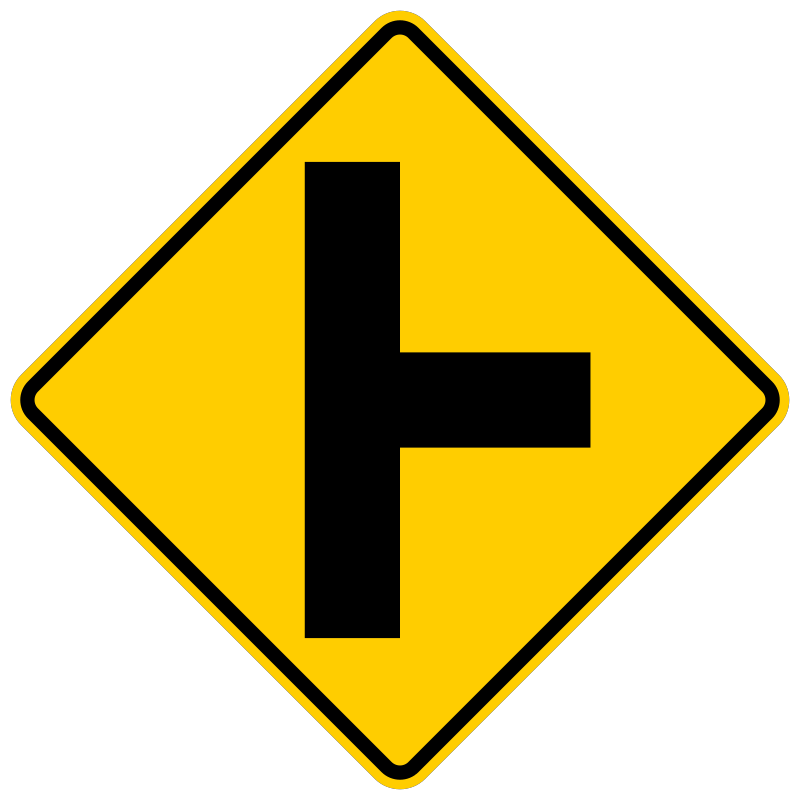 This road sign means:
A
A road joins from the right
B
All traffic must go straight ahead
C
All traffic must turn right
This traffic sign indicates: A road joins from the right. Observing and obeying all roadway signs ensures safe traffic flow and legal driving.
Question 33:
Which of the following is an important benefit of ABS?
A
It improves visibility at night.
B
The driver can steer the vehicle away from hazards while braking.
C
It can be turned off by pumping the brakes.
D
All of the above.
The correct driving rule is: The driver can steer the vehicle away from hazards while braking. Following standard DMV road rules and practicing defensive driving ensures safety for all road users.
Question 34:
Cars must have two red stoplights, visible from ___ feet in the daytime.
A
1000
B
300
C
50
D
150
The correct driving rule is: 300. Following standard DMV road rules and practicing defensive driving ensures safety for all road users.
Question 35:
A motorist arriving at the intersection must yield the right of way to motorists who arrived before him.
A
True
B
False
According to standard right-of-way regulations: True. Yielding appropriately prevents intersection collisions and maintains safe traffic flow.
Question 36:
Mature drivers should:
A
drink coffee while driving.
B
tap the horn at least three seconds before a traffic light becomes red.
C
anticipate danger.
D
get power steering to swing wide on turns.
The correct driving rule is: anticipate danger. Following standard DMV road rules and practicing defensive driving ensures safety for all road users.
Question 37:
Expressways are NOT also known as:
A
fastways.
B
freeways.
C
reserved motorways.
D
interstate highways.
The correct driving rule is: fastways. Following standard DMV road rules and practicing defensive driving ensures safety for all road users.
Question 38:
Who is more affected by alcohol?
A
Old drivers
B
Young drivers
C
Women
D
People living in urban areas.
Under state DUI and traffic safety laws: Young drivers. Alcohol degrades judgment, slows reaction times, and distorts depth perception.
Question 39:
 This road sign means:
A
Yield sign ahead
B
Side road entering from the left
C
Side road
A triangular Yield sign requires drivers to slow down and give right-of-way to other traffic: yield sign ahead. Proceed only when there is a safe opening.
Question 40:
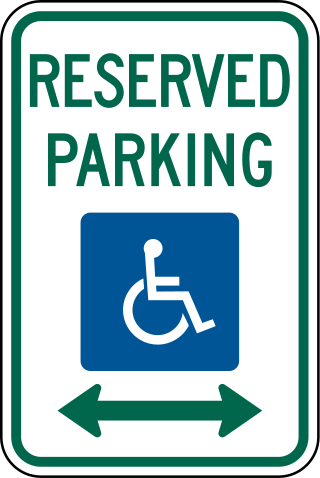 This road sign means:
A
No parking
B
No Passing Zone
C
This parking is reserved for persons with disabilities.
This traffic sign indicates: This parking is reserved for persons with disabilities. Observing and obeying all roadway signs ensures safe traffic flow and legal driving.
Question 41:
Keeping a space cushion between you and the other vehicles around you is important because it:
A
gives you time to react to situations.
B
prevents distractions from other vehicles.
C
keeps other drivers alert.
D
keeps traffic flowing at a safe pace.
The correct driving rule is: gives you time to react to situations. Following standard DMV road rules and practicing defensive driving ensures safety for all road users.
Question 42:
On an expressway, drivers should:
A
follow other vehicles closely.
B
drive on the median strip.
C
park on the left lane.
D
stop driving when they feel tired.
The correct driving rule is: stop driving when they feel tired. Following standard DMV road rules and practicing defensive driving ensures safety for all road users.
Question 43:
As your speed increases it is most important to:
A
drive with both hands on steering wheel.
B
maintain a constant speed.
C
look farther ahead.
For safe speed and stopping control: look farther ahead. Adjusting speed to match visibility and road traction prevents loss of steering grip.
Question 44:
When driving near a pedestrian using a white cane or guide dog, you should:
A
take the right-of-way.
B
slow down and be prepared to stop.
C
proceed normally.
D
None of the above.
Drivers must always yield the right-of-way to pedestrians crossing at intersections and crosswalks: slow down and be prepared to stop. Stop and allow them to clear the lane safely.
Question 45:
It is illegal for a person 21 years of age or older to operate a vehicle with a blood alcohol concentration (BAC) of _____ or higher.
A
0.08%
B
0.10%
C
0.05%
In nearly all US states, drivers age 21 and older are legally intoxicated with a Blood Alcohol Concentration (BAC) of 0.08% or higher.
Question 46:
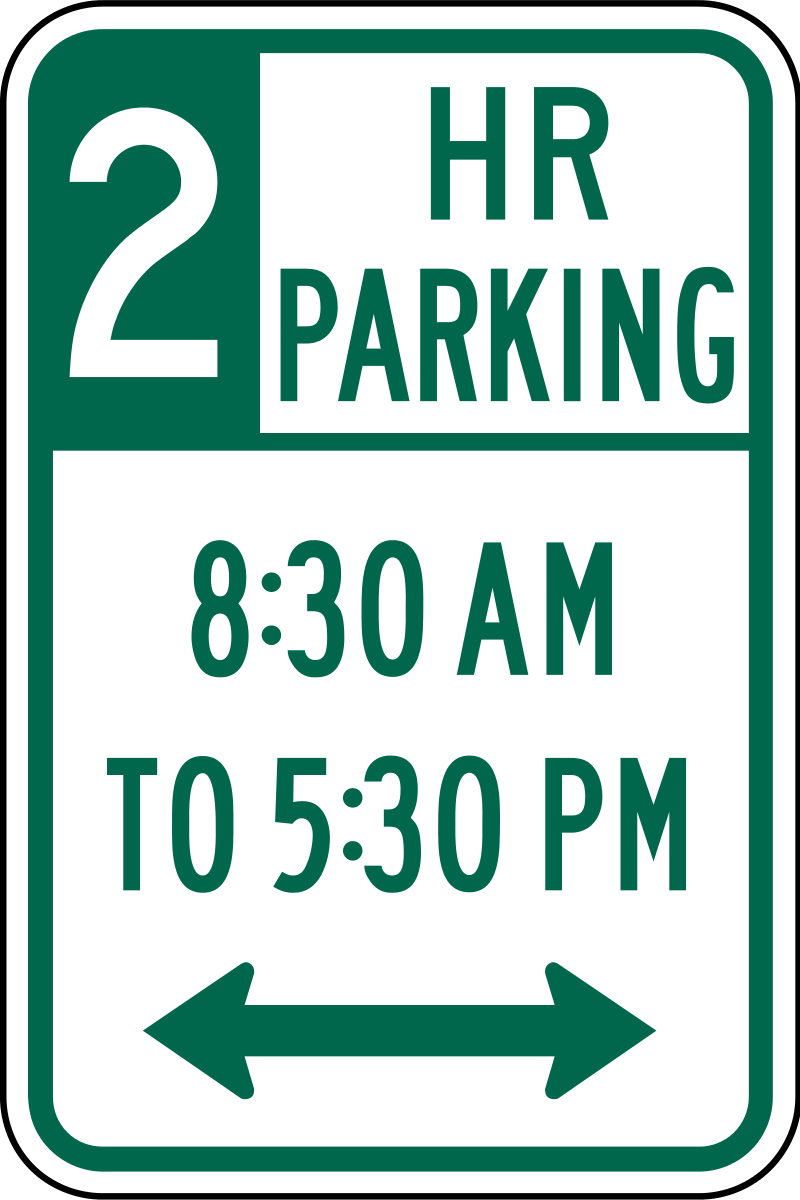 This road sign means:
A
Intersection ahead
B
Low clearance
C
Limited parking
This traffic sign indicates: Limited parking. Observing and obeying all roadway signs ensures safe traffic flow and legal driving.
Question 47:
When can you drive using only parking lights?
A
30 minutes after sunset or 30 minutes before sunrise.
B
On foggy days when visibility is low.
C
Under no circumstances.
Under standard parking and curb regulations: Under no circumstances. Following parking distance clearances keeps roadways unobstructed and emergency lanes accessible.
Question 48:
At a railroad crossing, you must stop at least 15 feet from the tracks if you see/hear:
A
lowered crossing gates.
B
flashing red lights.
C
a bell.
D
All of the above.
All of the listed points are essential driving requirements: lowered crossing gates; flashing red lights; a bell. Practicing each ensures compliance with DMV safety laws.
Question 49:
Who is most at risk?
A
Drivers who have overslept.
B
Drivers who are driving long distances without rest breaks.
C
Experienced drivers.
The correct driving rule is: drivers who are driving long distances without rest breaks. Following standard DMV road rules and practicing defensive driving ensures safety for all road users.
Question 50:
Drivers must not drive at:
A
a speed that is greater than reasonable.
B
a speed that is not prudent for the circumstances.
C
a speed that is greater than the posted speed limit.
D
All of the above.
All of the listed points are essential driving requirements: a speed that is greater than reasonable; a speed that is not prudent for the circumstances; a speed that is greater than the posted speed limit. Practicing each ensures compliance with DMV safety laws.