Question 1:
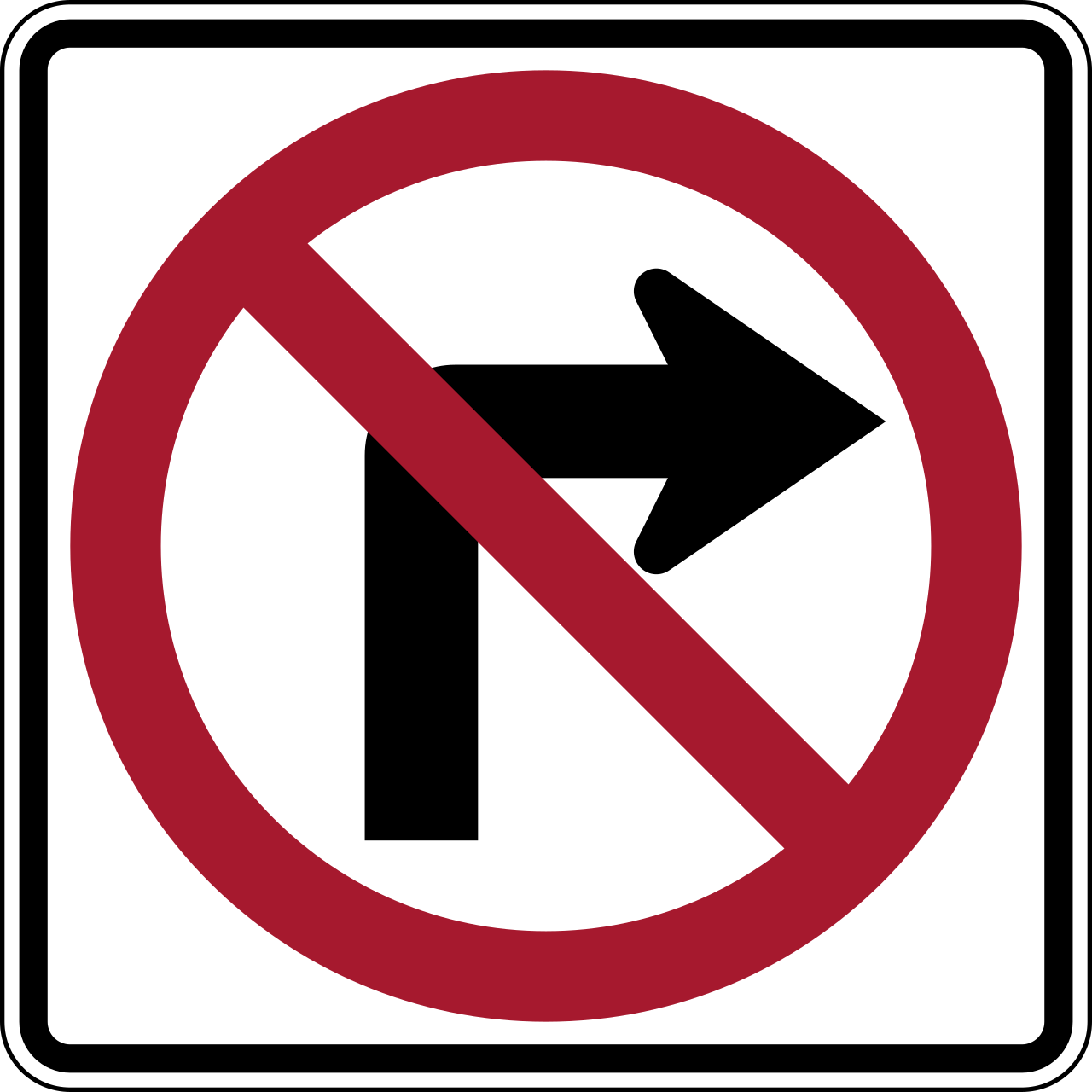 This road sign means:
A
No left turn
B
No right turn
C
No U-turns
This traffic sign indicates: No right turn. Observing and obeying all roadway signs ensures safe traffic flow and legal driving.
Question 2:
While driving, you see a flooded roadway ahead. You should:
A
stop your vehicle on the roadway.
B
proceed through the flooded area with caution.
C
turn around and find another route to get to your destination.
The correct driving rule is: turn around and find another route to get to your destination. Following standard DMV road rules and practicing defensive driving ensures safety for all road users.
Question 3:
At intersections where two or more drivers stop at STOP signs at the same time and they are at right angles:
A
the driver on the left must yield to the driver on the right.
B
the driver who is late for work has the right-of-way.
C
the driver on the right must yield to the driver on the left.
The correct driving rule is: the driver on the left must yield to the driver on the right. Following standard DMV road rules and practicing defensive driving ensures safety for all road users.
Question 4:
What is the meaning of orange traffic signs?
A
Yield.
B
Warning of school, pedestrian, and bicycling activity.
C
Construction and maintenance warning.
The correct driving rule is: Construction and maintenance warning. Following standard DMV road rules and practicing defensive driving ensures safety for all road users.
Question 5:
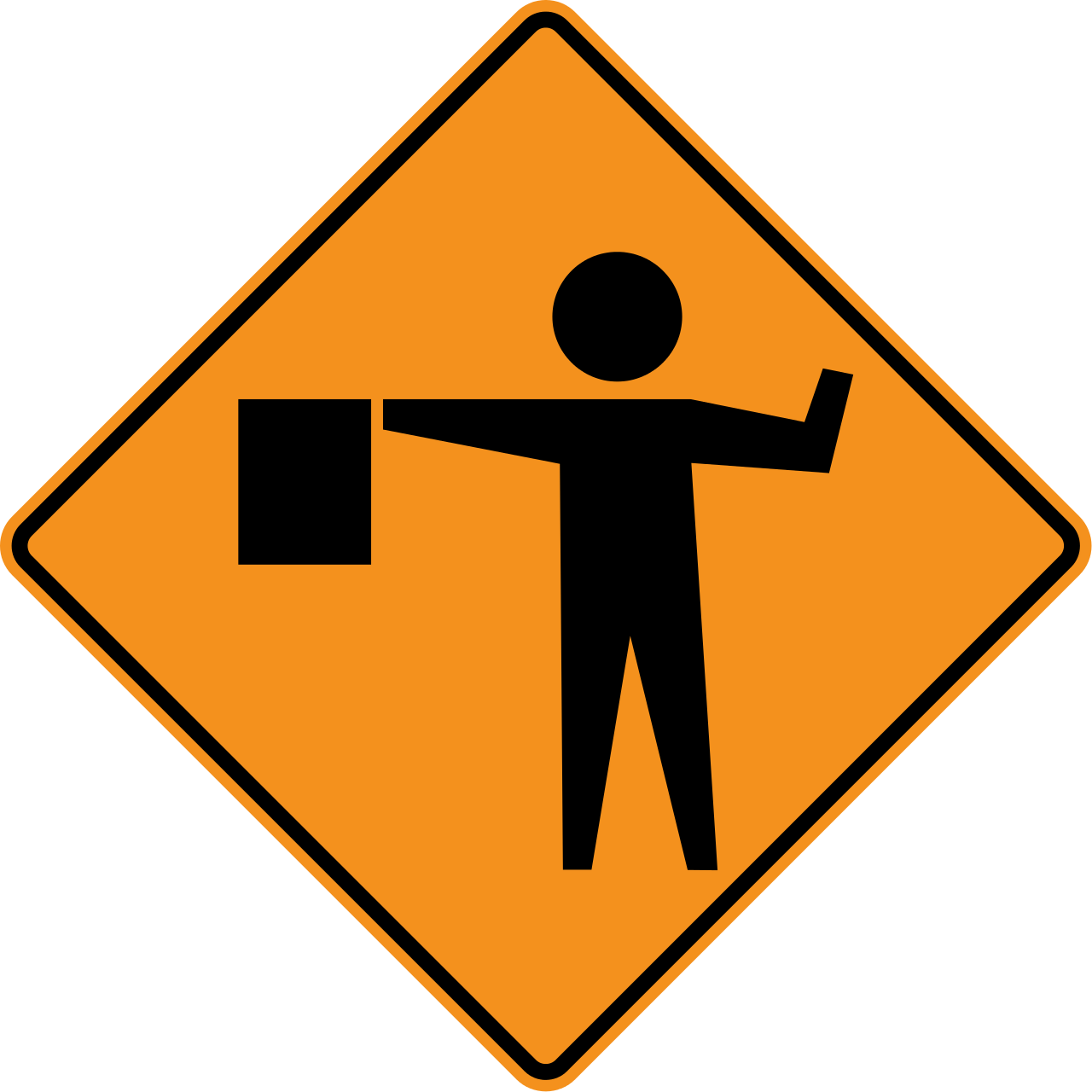 This road sign means:
A
Right lane closed
B
Do not block intersection
C
Flagger ahead
This traffic sign indicates: Flagger ahead. Observing and obeying all roadway signs ensures safe traffic flow and legal driving.
Question 6:
Drivers should change lanes:
A
often.
B
as quickly as possible.
C
gradually and carefully.
The correct driving rule is: gradually and carefully. Following standard DMV road rules and practicing defensive driving ensures safety for all road users.
Question 7:
 This sign means:
A
You can only park between 8:30 AM and 5:30 PM.
B
Parking is not allowed at 8:30 AM and at 5:30 PM
C
No parking between 8:30 AM and 5:30 PM.
This traffic sign indicates: No parking between 8:30 AM and 5:30 PM. Observing and obeying all roadway signs ensures safe traffic flow and legal driving.
Question 8:
When changing lanes, you should remember that:
A
vehicles with two outside mirrors have no blind spots.
B
You only need to turn and look over your right shoulder for lane changes to the right or left.
C
you should look over your left shoulder for a left lane change and your right shoulder for a right lane change.
The correct driving rule is: you should look over your left shoulder for a left lane change and your right shoulder for a right lane change. Following standard DMV road rules and practicing defensive driving ensures safety for all road users.
Question 9:
At a stop sign there is no stop line or crosswalk. You must stop:
A
before you enter the intersection.
B
at the next crosswalk.
C
after you enter the intersection, if you have a clear view of traffic on the intersecting roadway.
Drivers must always yield the right-of-way to pedestrians crossing at intersections and crosswalks: before you enter the intersection. Stop and allow them to clear the lane safely.
Question 10:
Excessive speed:
A
helps you to maneuver around obstacles.
B
saves time so you can get to your destination more quickly.
C
increases the likelihood of serious bodily injuries and death.
For safe speed and stopping control: increases the likelihood of serious bodily injuries and death. Adjusting speed to match visibility and road traction prevents loss of steering grip.
Question 11:
Road signs that point out scenic areas and parks are:
A
brown and white.
B
black and orange.
C
green and white.
The correct driving rule is: brown and white. Following standard DMV road rules and practicing defensive driving ensures safety for all road users.
Question 12:
 A flashing red light:
A
is used at dangerous intersections.
B
means the same thing as a stop sign.
C
All of the above.
Safe navigation at intersections requires following all established rules: is used at dangerous intersections; means the same thing as a stop sign. Always yield right-of-way properly to prevent collisions.
Question 13:
If the entrance lane is too short to allow acceleration to expressway speed, you should:
A
stop and wait for a large space in traffic.
B
enter the expressway and accelerate quickly.
C
reduce your speed to 15 MPH or less and blend with traffic.
For safe speed and stopping control: stop and wait for a large space in traffic. Adjusting speed to match visibility and road traction prevents loss of steering grip.
Question 14:
When approaching a construction site, drivers should:
A
accelerate to get out of the way quickly.
B
slow down and adjust their driving manner.
C
honk their horn to alert construction workers of their presence.
The correct driving rule is: slow down and adjust their driving manner. Following standard DMV road rules and practicing defensive driving ensures safety for all road users.
Question 15:
 This road sign means:
A
Warning, crossroad ahead
B
All traffic must turn
C
Yield sign ahead
This traffic sign indicates: Warning, crossroad ahead. Observing and obeying all roadway signs ensures safe traffic flow and legal driving.
Question 16:
 This sign warns drivers that:
A
the highway ahead is divided into two one-way roadways. Drivers should keep to the right.
B
there is a winding road ahead.
C
there is a double curve ahead.
This traffic sign indicates: there is a double curve ahead. Observing and obeying all roadway signs ensures safe traffic flow and legal driving.
Question 17:
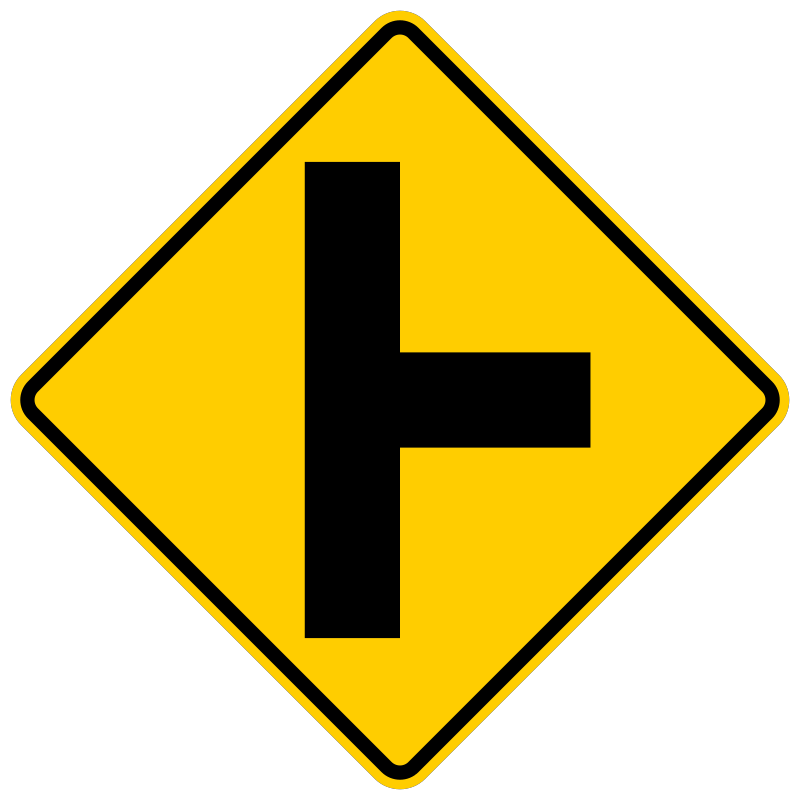 This road sign means:
A
A road joins from the right
B
All traffic must go straight ahead
C
All traffic must turn right
This traffic sign indicates: A road joins from the right. Observing and obeying all roadway signs ensures safe traffic flow and legal driving.
Question 18:
Who is most at risk?
A
Drivers who are fatigued.
B
Drivers who are driving on long, boring roads.
C
All of the above.
All of the listed points are essential driving requirements: Drivers who are fatigued; Drivers who are driving on long, boring roads. Practicing each ensures compliance with DMV safety laws.
Question 19:
You should never depend on your mirrors when you prepare to change lanes. Why?
A
You should look over your shoulder instead.
B
Mirrors are useless.
C
Mirrors need to be adjusted.
D
Mirrors leave 'blind spots' behind both sides of vehicles.
The correct driving rule is: Mirrors leave 'blind spots' behind both sides of vehicles. Following standard DMV road rules and practicing defensive driving ensures safety for all road users.
Question 20:
Which statement about drinking alcohol and driving is true?
A
Alcohol affects judgement and coordination, which are needed to drive safely.
B
After drinking, a cold shower will sober you up.
C
If you are under the legal BAC limit, your driving is not affected.
Under state DUI and traffic safety laws: Alcohol affects judgement and coordination, which are needed to drive safely. Alcohol degrades judgment, slows reaction times, and distorts depth perception.
Question 21:
 Vertical rectangles tell drivers:
A
the law.
B
what is not allowed.
C
the direction they should travel.
The correct driving rule is: the law. Following standard DMV road rules and practicing defensive driving ensures safety for all road users.
Question 22:
If one of your tires blows out while driving, you should:
A
apply the brakes firmly and steer toward the right edge of the road.
B
pump the brakes.
C
hold the steering wheel firmly, slow down, and steer smoothly.
The correct driving rule is: hold the steering wheel firmly, slow down, and steer smoothly. Following standard DMV road rules and practicing defensive driving ensures safety for all road users.
Question 23:
Green and white signs:
A
give information about directions and distances.
B
are mainly used at intersections and driveways.
C
warn drivers of unexpected road conditions.
The correct driving rule is: give information about directions and distances. Following standard DMV road rules and practicing defensive driving ensures safety for all road users.
Question 24:
 This is the shape and color of a ________ sign.
A
yield
B
stop
C
do not enter
The correct driving rule is: yield. Following standard DMV road rules and practicing defensive driving ensures safety for all road users.
Question 25:
 This sign means:
A
You may make a U-turn.
B
Hairpin corner ahead.
C
You must make a U-turn.
This traffic sign indicates: you must make a U-turn. Observing and obeying all roadway signs ensures safe traffic flow and legal driving.
Question 26:
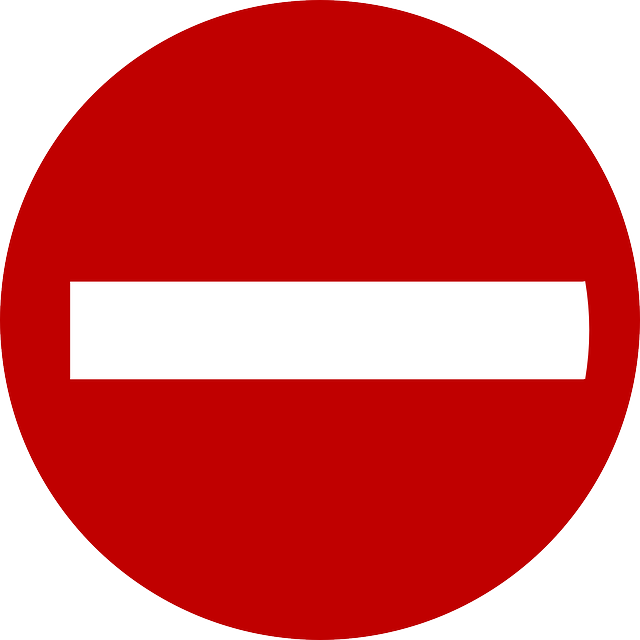 This road sign means:
A
No left turn
B
Lane ends
C
Do not enter
This traffic sign indicates: Do not enter. Observing and obeying all roadway signs ensures safe traffic flow and legal driving.
Question 27:
The extra space in front of a large truck is needed for:
A
other drivers when merging onto a freeway.
B
the truck driver to stop the vehicle.
C
other drivers when they want to pass the truck.
When sharing the road with other vehicles: the truck driver to stop the vehicle. Giving large vehicles and vulnerable users adequate clearance prevents dangerous accidents.
Question 28:
Are bicyclists required to obey traffic laws and signs?
A
No, bicyclists are considered pedestrians when it comes to the rules of the road.
B
Yes.
C
Yes, but only if they are riding in a bicycle lane.
The correct driving rule is: Yes. Following standard DMV road rules and practicing defensive driving ensures safety for all road users.
Question 29:
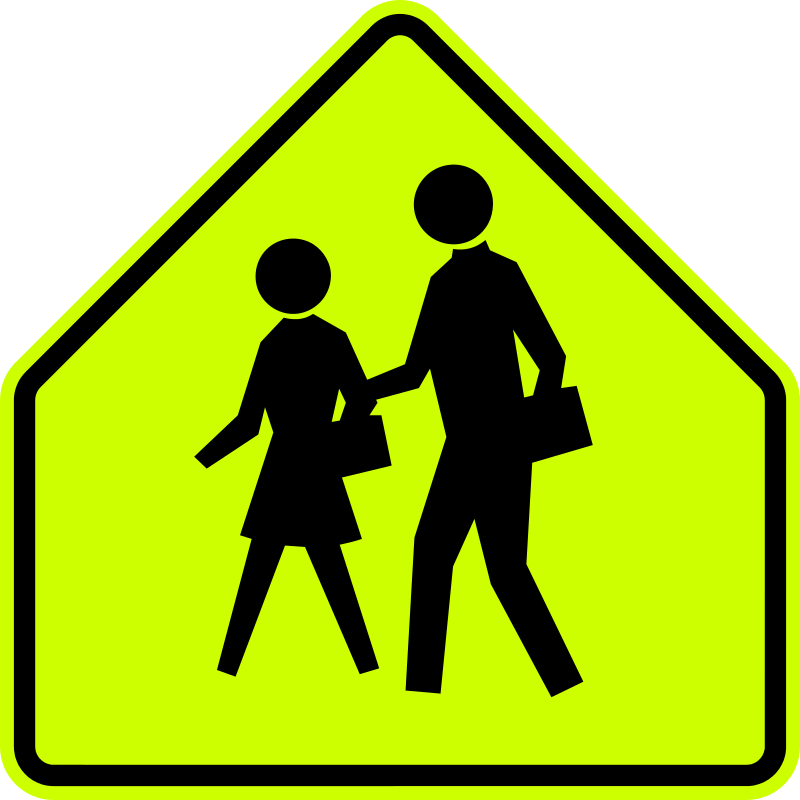 This sign means:
A
Business area nearby. Watch for business people.
B
There is a work zone ahead. Watch for workers.
C
The driver is near a school and should watch for children.
Pentagonal (5-sided) signs are exclusively reserved for school zones and school crossings: The driver is near a school and should watch for children. Drivers must reduce speed and yield right-of-way to all crossing children.
Question 30:
If you remain in the back blind spot of a large vehicle:
A
you increase the chance of a crash.
B
the large vehicle will take much longer to stop.
C
you can reduce fuel consumption.
Large commercial trucks have extensive blind spots on all four sides called the 'No-Zone': you increase the chance of a crash. If you cannot see the truck driver in their side mirrors, they cannot see you.
Question 31:
Your Driver’s License will:
A
expire on your birthday.
B
expire after five years of issuance.
C
never expire.
The correct driving rule is: expire on your birthday. Following standard DMV road rules and practicing defensive driving ensures safety for all road users.
Question 32:
This sign indicates:
A
a side road.
B
a cross road.
C
a church zone ahead.
This traffic sign indicates: a cross road. Observing and obeying all roadway signs ensures safe traffic flow and legal driving.
Question 33:
When you prepare to make a left turn from a one-way road into a two-way road, you must:
A
enter the two-way road to the left of its center line.
B
approach the turn in the right lane or from the right side of a single lane.
C
approach the turn in the left lane or from the left side of a single lane.
The correct driving rule is: approach the turn in the left lane or from the left side of a single lane. Following standard DMV road rules and practicing defensive driving ensures safety for all road users.
Question 34:
To avoid glare from headlights of an approaching car:
A
stay focused on the center line on the road.
B
don't look directly into the oncoming headlights, look toward the right edge of your lane.
C
flash your high beams.
The correct driving rule is: don't look directly into the oncoming headlights, look toward the right edge of your lane. Following standard DMV road rules and practicing defensive driving ensures safety for all road users.
Question 35:
Left turns on a red light are allowed:
A
from a one-way street into a one-way street.
B
Never.
C
at intersections, after stopping, if the way is clear.
When turning left across traffic lanes: from a one-way street into a one-way street. You must yield to all oncoming vehicles and crossing pedestrians before completing the turn.
Question 36:
___________ are green with white letters and symbols.
A
Warning signs
B
Destination signs (guide signs)
C
Regulation signs (regulatory signs)
The correct driving rule is: Destination signs (guide signs). Following standard DMV road rules and practicing defensive driving ensures safety for all road users.
Question 37:
Night driving can be more difficult because:
A
vehicle speed and distance are harder to judge.
B
there are more cars on the roads at night.
C
the speed limit is increased at night.
The correct driving rule is: vehicle speed and distance are harder to judge. Following standard DMV road rules and practicing defensive driving ensures safety for all road users.
Question 38:
When a ‘Road Closed’ sign is displayed, drivers must:
A
make a U-turn.
B
look for a detour or another route.
C
come to a complete stop and wait for the lights to turn green.
The correct driving rule is: look for a detour or another route. Following standard DMV road rules and practicing defensive driving ensures safety for all road users.
Question 39:
Who has a greater risk of being involved in a traffic crash?
A
Drivers who are driving alone.
B
Young people.
C
All of the above.
All of the listed points are essential driving requirements: Drivers who are driving alone; Young people. Practicing each ensures compliance with DMV safety laws.
Question 40:
Service signs are ____ with ____ letters and symbols.
A
blue; white
B
white; black
C
green; white
The correct driving rule is: blue; white. Following standard DMV road rules and practicing defensive driving ensures safety for all road users.
Question 41:
Before changing lanes or attempting to pass another vehicle, you should:
A
signal your intention before changing lanes.
B
check your blind spots and, mirrors.
C
All of the above.
All of the listed points are essential driving requirements: signal your intention before changing lanes; check your blind spots and, mirrors. Practicing each ensures compliance with DMV safety laws.
Question 42:
Having a drivers license is:
A
a requirement.
B
a privilege.
C
a constitutional right.
The correct driving rule is: a privilege. Following standard DMV road rules and practicing defensive driving ensures safety for all road users.
Question 43:
Large trucks:
A
have high-tech air brakes which allow them to stop quickly.
B
take longer to stop than passenger vehicles.
C
are more maneuverable than passenger vehicles.
The correct driving rule is: take longer to stop than passenger vehicles. Following standard DMV road rules and practicing defensive driving ensures safety for all road users.
Question 44:
When dust is blowing across the roadway making it difficult to see other vehicles, you should drive slower and turn on your:
A
headlights.
B
parking lights.
C
emergency flashers.
The correct driving rule is: headlights. Following standard DMV road rules and practicing defensive driving ensures safety for all road users.
Question 45:
 This sign warns ____________ ahead.
A
of two-way traffic
B
of a reduction of lanes
C
that a divided highway ends
This traffic sign indicates: of two-way traffic. Observing and obeying all roadway signs ensures safe traffic flow and legal driving.
Question 46:
What is the first thing to do when you make a three-point turn?
A
Signal with your left turn signal, then check carefully for traffic coming toward you.
B
Signal with your right turn signal, then pull over to the right and stop.
C
Turn left, go across the road so you come to a stop while you face the edge of the road.
The correct driving rule is: signal with your right turn signal, then pull over to the right and stop. Following standard DMV road rules and practicing defensive driving ensures safety for all road users.
Question 47:
 This road sign means:
A
Slow down, slippery when wet
B
Detour ahead
C
Road curves ahead
This traffic sign indicates: slow down, slippery when wet. Observing and obeying all roadway signs ensures safe traffic flow and legal driving.
Question 48:
Before a school bus stops to load passengers, the driver will usually flash:
A
yellow warning lights.
B
red warning lights.
C
red lights.
When a school bus displays flashing red lights and extended stop sign: yellow warning lights. Traffic in both directions must come to a full stop on undivided roads until children are clear.
Question 49:
Continuous hard braking on ice and snow often:
A
is the best option during winter.
B
keeps the brakes from freezing.
C
causes the front wheels to lock.
For safe speed and stopping control: causes the front wheels to lock. Adjusting speed to match visibility and road traction prevents loss of steering grip.
Question 50:
If you become sleepy while driving you should:
A
get some rest or change drivers.
B
drink coffee.
C
open a window.
The correct driving rule is: get some rest or change drivers. Following standard DMV road rules and practicing defensive driving ensures safety for all road users.