Question 1:
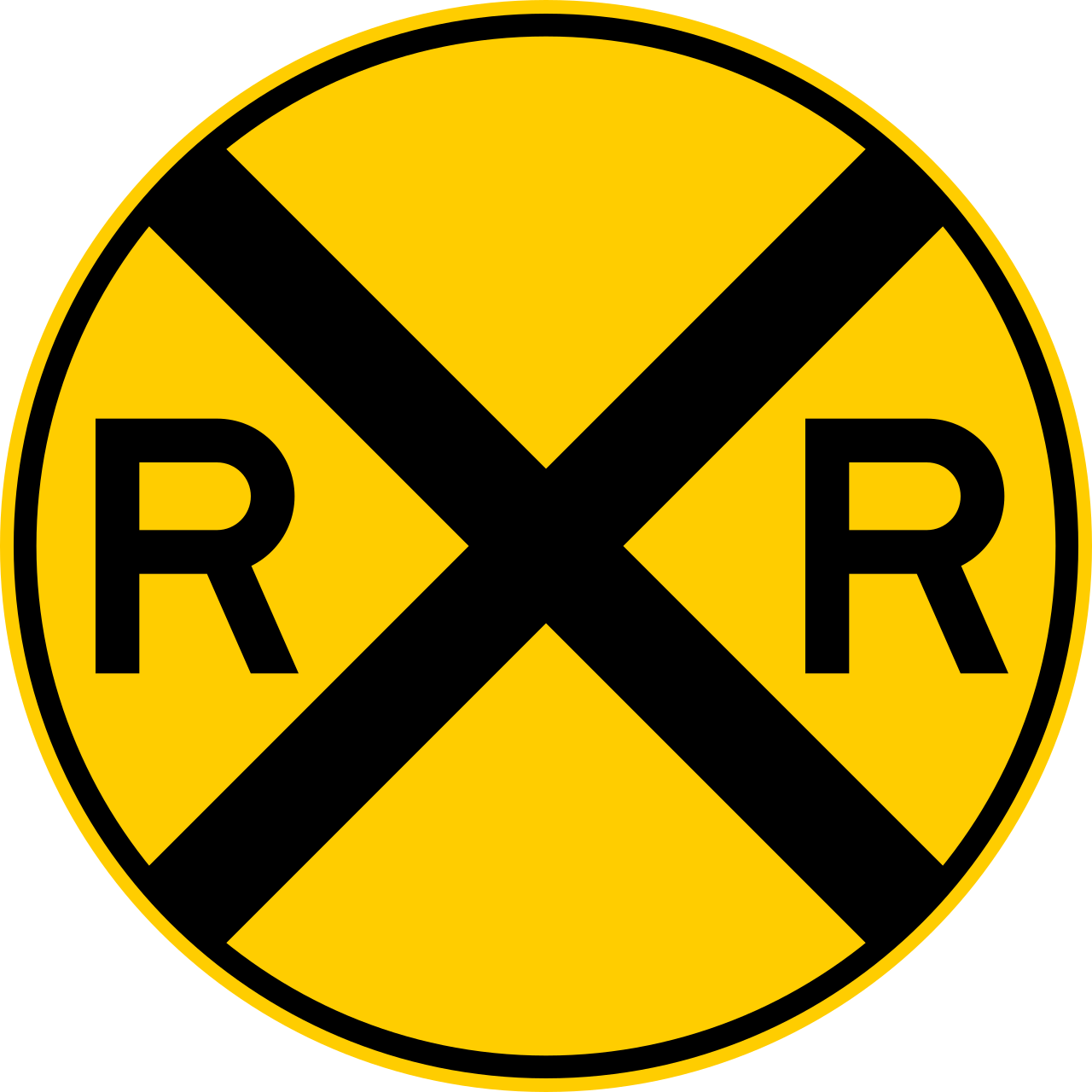 This road sign means:
A
Railroad Crossing
B
One Way
C
Limited parking
Circular signs with an 'X' and 'RR' designate a Railroad Advance Warning: Railroad Crossing. Drivers must slow down, look both ways, listen for trains, and be prepared to stop.
Question 2:
Your red traffic signal changes to green while a pedestrian is crossing in your traffic lane. The right of way should be given:
A
by the pedestrian, but only when vehicles are turning left.
B
by the pedestrian.
C
to the pedestrian.
Circular signs with an 'X' and 'RR' designate a Railroad Advance Warning: to the pedestrian. Drivers must slow down, look both ways, listen for trains, and be prepared to stop.
Question 3:
 This road sign means:
A
No left turn
B
No U-turn
C
Detour ahead
This traffic sign indicates: No U-turn. Observing and obeying all roadway signs ensures safe traffic flow and legal driving.
Question 4:
While inside the roundabout, you should:
A
remain in your lane until you are ready to exit.
B
change lanes before you check for vehicles behind you.
C
use your left turn signal if you are in position to exit now.
Vehicles entering a roundabout must yield right-of-way to circulating traffic already inside: remain in your lane until you are ready to exit. Wait for a safe gap before entering.
Question 5:
If a vehicle is coming towards you at night with its high beams on, making it hard to see the road ahead, you should:
A
look straight ahead towards the middle of the lane.
B
look ahead towards the left edge of your lane.
C
look ahead towards the right edge of your lane.
The correct driving rule is: look ahead towards the right edge of your lane. Following standard DMV road rules and practicing defensive driving ensures safety for all road users.
Question 6:
Drivers should adjust their rearview and side mirrors:
A
whenever they need to use them.
B
before they get into the car.
C
before they start driving.
The correct driving rule is: before they start driving. Following standard DMV road rules and practicing defensive driving ensures safety for all road users.
Question 7:
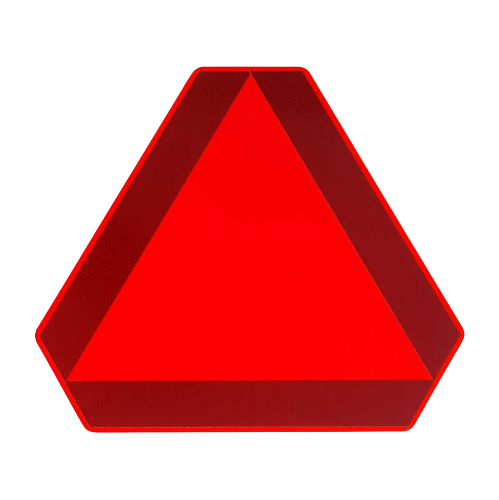 The sign in the picture:
A
is a Construction and Maintenance Traffic Control sign.
B
is found at most intersections and indicates that drivers must yield to other vehicles.
C
is displayed on the rear of slow moving vehicles.
The correct driving rule is: is displayed on the rear of slow moving vehicles. Following standard DMV road rules and practicing defensive driving ensures safety for all road users.
Question 8:
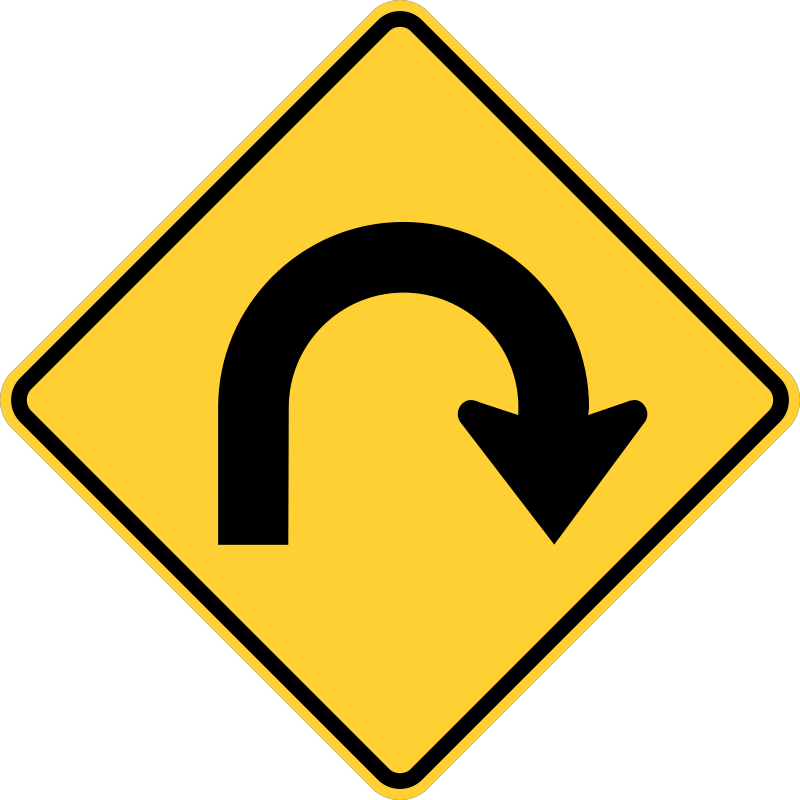 This sign means:
A
Hairpin corner ahead.
B
Warning: U-turn ahead.
C
Sharp right turn ahead.
This traffic sign indicates: Hairpin corner ahead. Observing and obeying all roadway signs ensures safe traffic flow and legal driving.
Question 9:
___________ are green with white letters and symbols.
A
Warning signs
B
Destination signs (guide signs)
C
Regulation signs (regulatory signs)
The correct driving rule is: Destination signs (guide signs). Following standard DMV road rules and practicing defensive driving ensures safety for all road users.
Question 10:
In rainy weather, drivers should be most careful when turning or stopping:
A
when it's been raining all day.
B
after it has been raining for at least two hours.
C
during the first half hour of rain.
The correct driving rule is: during the first half hour of rain. Following standard DMV road rules and practicing defensive driving ensures safety for all road users.
Question 11:
Roads with double solid yellow lines in the center indicate that passing is:
A
not allowed in either direction.
B
allowed only in your direction of travel.
C
allowed in both directions.
Defensive driving guidelines state that: not allowed in either direction. Anticipating road hazards and communicating maneuvers keeps traffic predictable and safe.
Question 12:
When driving in heavy rain, drivers should use:
A
parking lights.
B
low beam headlights.
C
high beam headlights.
For safe speed and stopping control: low beam headlights. Adjusting speed to match visibility and road traction prevents loss of steering grip.
Question 13:
When is the pavement most slippery?
A
If it's been raining several hours.
B
When it has just begun to rain.
C
When it's been raining from at least one hour.
For safe speed and stopping control: When it has just begun to rain. Adjusting speed to match visibility and road traction prevents loss of steering grip.
Question 14:
Destination signs are ______ with ____ letters and symbols.
A
green; white
B
blue; white
C
white; black
The correct driving rule is: green; white. Following standard DMV road rules and practicing defensive driving ensures safety for all road users.
Question 15:
You should never depend on your mirrors when you prepare to change lanes. Why?
A
Mirrors leave “blind spots” behind both sides of vehicles.
B
Mirrors need to be adjusted.
C
Mirrors are useless.
The correct driving rule is: Mirrors leave “blind spots” behind both sides of vehicles. Following standard DMV road rules and practicing defensive driving ensures safety for all road users.
Question 16:
 What should drivers do when they see this sign?
A
Make sure the bridge is clear of oncoming traffic before they cross.
B
Look to the left and right for other traffic.
C
Allow others to merge smoothly.
This traffic sign indicates: make sure the bridge is clear of oncoming traffic before they cross. Observing and obeying all roadway signs ensures safe traffic flow and legal driving.
Question 17:
Which shape is a stop sign?
A
Diamond
B
Octagon
C
Upside-down triangle
The correct driving rule is: Octagon. Following standard DMV road rules and practicing defensive driving ensures safety for all road users.
Question 18:
Before changing lanes or attempting to pass another vehicle, you should:
A
signal your intention before changing lanes.
B
check your blind spots and, mirrors.
C
All of the above.
All of the listed points are essential driving requirements: signal your intention before changing lanes; check your blind spots and, mirrors. Practicing each ensures compliance with DMV safety laws.
Question 19:
The first thing affected after drinking alcohol is:
A
balance.
B
judgment.
C
speech.
Under state DUI and traffic safety laws: judgment. Alcohol degrades judgment, slows reaction times, and distorts depth perception.
Question 20:
When approaching any intersection or driveway, drivers should:
A
look both ways and be ready to stop.
B
pass other vehicles and then stop.
C
drive at the fastest speed just before entering the intersection.
According to standard right-of-way regulations: look both ways and be ready to stop. Yielding appropriately prevents intersection collisions and maintains safe traffic flow.
Question 21:
When the traffic light is green, but traffic is blocking the intersection, drivers should:
A
enter the intersection and wait for traffic to clear.
B
not enter the intersection until they can get completely across.
C
honk their horn to establish their right-of-way.
According to standard right-of-way regulations: not enter the intersection until they can get completely across. Yielding appropriately prevents intersection collisions and maintains safe traffic flow.
Question 22:
 This sign indicates:
A
Phone service ahead
B
Emergency line available
C
Cell phone shop ahead
This traffic sign indicates: Phone service ahead. Observing and obeying all roadway signs ensures safe traffic flow and legal driving.
Question 23:
If the roadway is wet, you should:
A
increase your speed.
B
reduce your speed.
C
maintain the same speed.
The correct driving rule is: reduce your speed. Following standard DMV road rules and practicing defensive driving ensures safety for all road users.
Question 24:
This sign is a warning that you are approaching:
A
a railroad crossing.
B
a crosswalk.
C
a dead-end street.
Circular signs with an 'X' and 'RR' designate a Railroad Advance Warning: a railroad crossing. Drivers must slow down, look both ways, listen for trains, and be prepared to stop.
Question 25:
If the vehicle is equipped with air bags, seat belts:
A
should not be worn.
B
should still be worn.
C
are optional.
The correct driving rule is: should still be worn. Following standard DMV road rules and practicing defensive driving ensures safety for all road users.
Question 26:
Are drivers allowed to exceed the speed limit to pass other vehicles?
A
Yes, but only by 10 MPH or less.
B
No.
C
Yes, but only if they drive with caution.
For safe speed and stopping control: No. Adjusting speed to match visibility and road traction prevents loss of steering grip.
Question 27:
When entering an interstate highway, drivers should:
A
check for cars and slow down to 25 MPH before merging with the flow of traffic.
B
wait for an opening in traffic on the entrance ramp.
C
adjust speed to meet a traffic gap, then merge at a safe speed.
Defensive driving guidelines state that: adjust speed to meet a traffic gap, then merge at a safe speed. Anticipating road hazards and communicating maneuvers keeps traffic predictable and safe.
Question 28:
Slowing down just to look at collisions or anything else out of ordinary:
A
causes traffic congestion.
B
improves traffic flow.
C
helps prevent rear-end collisions.
The correct driving rule is: causes traffic congestion. Following standard DMV road rules and practicing defensive driving ensures safety for all road users.
Question 29:
What is the only effective method to reduce your BAC?
A
Eating before or while you drink.
B
Not drinking over a period of time.
C
Drinking coffee.
Under state DUI and traffic safety laws: Not drinking over a period of time. Alcohol degrades judgment, slows reaction times, and distorts depth perception.
Question 30:
 This road sign means:
A
There is a series of sharp turns up ahead on the road
B
Sharp right turn ahead.
C
A road joins from the right
This traffic sign indicates: There is a series of sharp turns up ahead on the road. Observing and obeying all roadway signs ensures safe traffic flow and legal driving.
Question 31:
If a bus needs to make a right turn and you are also turning right:
A
squeeze between the bus and the curb.
B
try to turn right before the bus does.
C
wait until the bus turns before turning right.
The correct driving rule is: wait until the bus turns before turning right. Following standard DMV road rules and practicing defensive driving ensures safety for all road users.
Question 32:
Sudden wind gusts on highways:
A
are generally caused by dust and dirt blowing around.
B
can cause one to lose control of their vehicle.
C
only affect large vehicles.
The correct driving rule is: can cause one to lose control of their vehicle. Following standard DMV road rules and practicing defensive driving ensures safety for all road users.
Question 33:
Which of the following road surfaces freezes first when wet?
A
Bridges and overpasses.
B
Roundabouts.
C
Tunnels.
The correct driving rule is: Bridges and overpasses. Following standard DMV road rules and practicing defensive driving ensures safety for all road users.
Question 34:
You have stopped for a train at a railroad crossing. After the train passes, you must:
A
look to see if another train is coming, then cross the tracks if it is safe to do so.
B
watch for vehicles that must stop at railroad crossings (school buses, vehicles carrying hazardous materials, etc.).
C
All of the above.
All of the listed points are essential driving requirements: look to see if another train is coming, then cross the tracks if it is safe to do so; watch for vehicles that must stop at railroad crossings (school buses, vehicles carrying hazardous materials, etc.). Practicing each ensures compliance with DMV safety laws.
Question 35:
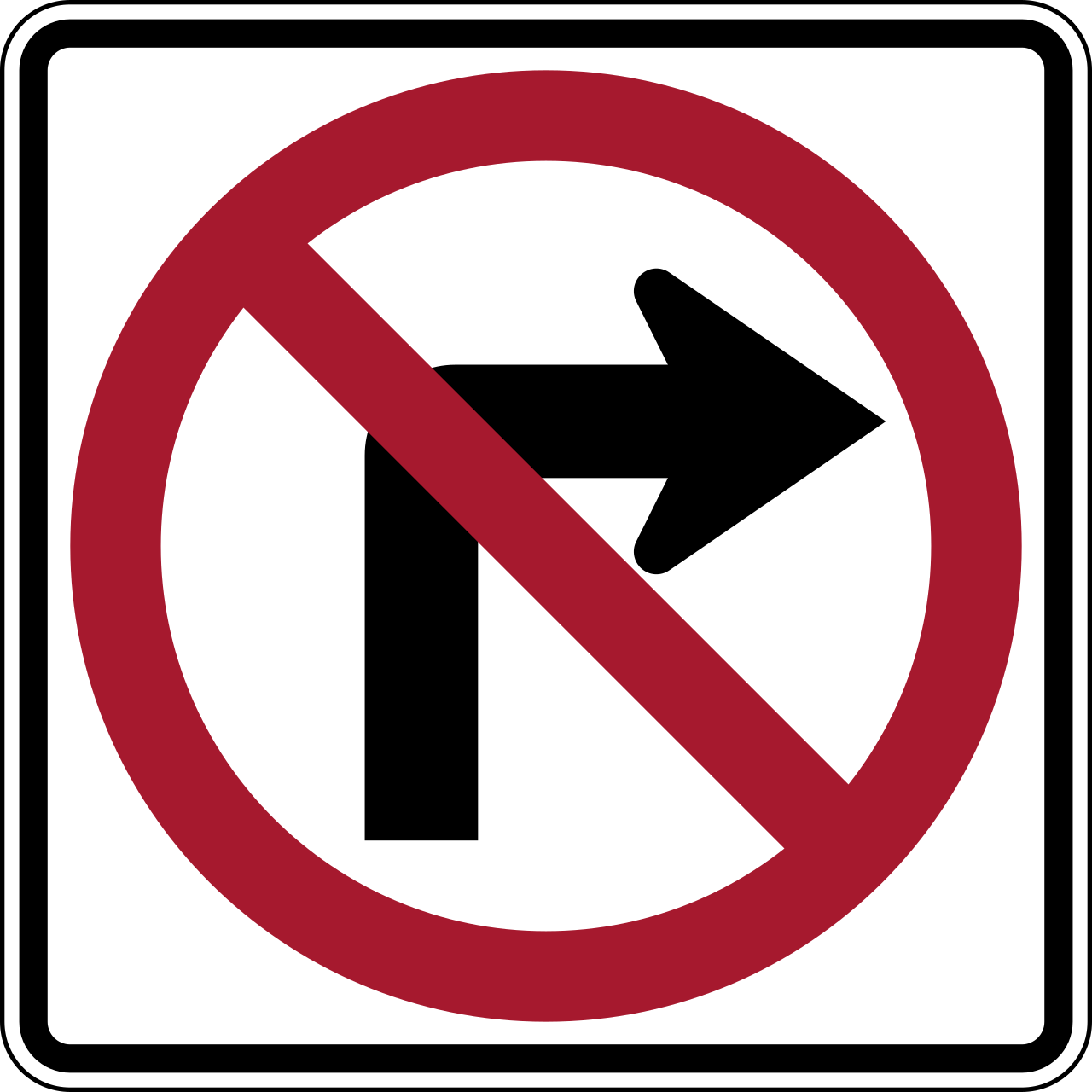 This sign tells drivers that:
A
they must make a left turn at the intersection.
B
U-turns are not allowed.
C
they must not make a right turn.
D
None of the above.
This traffic sign indicates: they must not make a right turn. Observing and obeying all roadway signs ensures safe traffic flow and legal driving.
Question 36:
When you come to a flashing yellow light, you must:
A
slow down and cross carefully.
B
stop before crossing.
C
speed up to beat the red light.
According to standard right-of-way regulations: slow down and cross carefully. Yielding appropriately prevents intersection collisions and maintains safe traffic flow.
Question 37:
 This sign means:
A
The road will curve to the right, then to the left.
B
Road slippery when wet. Drive slowly.
C
Winding road ahead. Drive with caution.
This traffic sign indicates: Road slippery when wet. Drive slowly. Observing and obeying all roadway signs ensures safe traffic flow and legal driving.
Question 38:
In case of skidding, drivers should NOT:
A
take their foot off the gas pedal.
B
pump the brakes gently if they are about to hit something.
C
tap the gas pedal with their foot.
The correct driving rule is: tap the gas pedal with their foot. Following standard DMV road rules and practicing defensive driving ensures safety for all road users.
Question 39:
Regulation signs normally are:
A
white triangles.
B
green rectangles.
C
white rectangles.
The correct driving rule is: white rectangles. Following standard DMV road rules and practicing defensive driving ensures safety for all road users.
Question 40:
When pedestrians are in a crosswalk, drivers should:
A
pull over to the right and stop.
B
go ahead because drivers have the right-of-way.
C
wait for them to cross.
Drivers must always yield the right-of-way to pedestrians crossing at intersections and crosswalks: wait for them to cross. Stop and allow them to clear the lane safely.
Question 41:
 This road sign means:
A
There is a detour ahead
B
The highway ahead is being repaired
C
Crossroads ahead
This traffic sign indicates: The highway ahead is being repaired. Observing and obeying all roadway signs ensures safe traffic flow and legal driving.
Question 42:
When daylight begins to fade, you should use your:
A
low beam headlights.
B
emergency flashers.
C
parking lights.
The correct driving rule is: low beam headlights. Following standard DMV road rules and practicing defensive driving ensures safety for all road users.
Question 43:
 This sign warns drivers that:
A
they must turn either to the right or left.
B
there is a double curve ahead.
C
there is a winding road ahead.
This traffic sign indicates: there is a winding road ahead. Observing and obeying all roadway signs ensures safe traffic flow and legal driving.
Question 44:
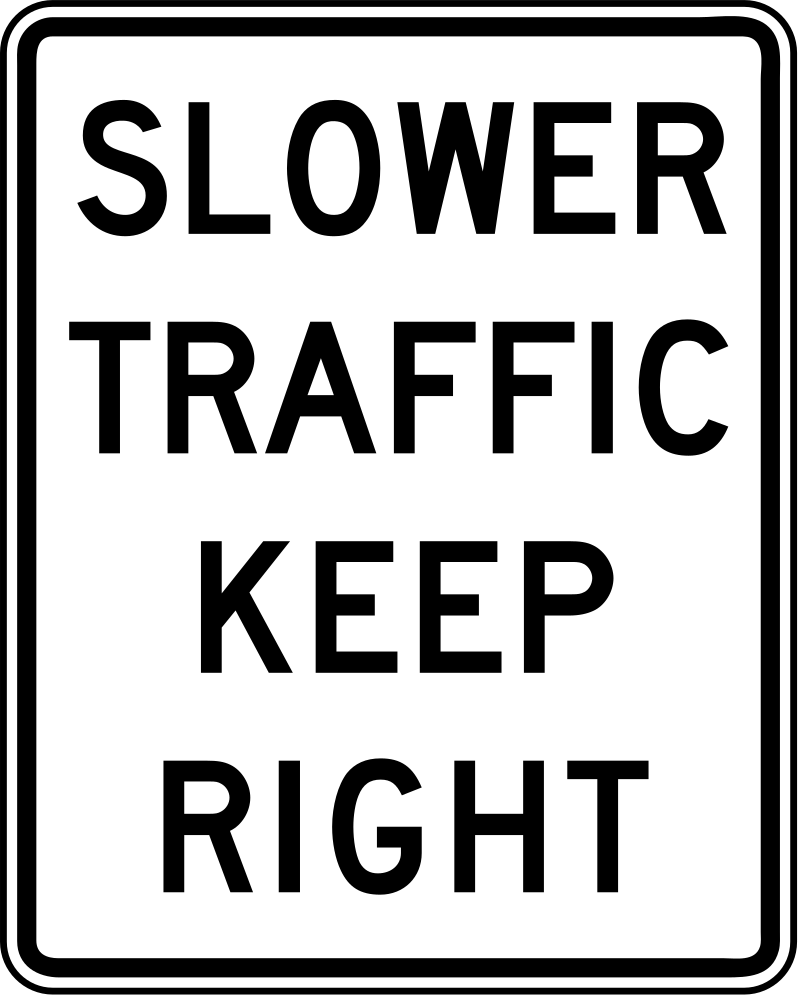 This road sign is:
A
a speed reduction sign.
B
a warning sign.
C
a regulatory sign.
This traffic sign indicates: a regulatory sign. Observing and obeying all roadway signs ensures safe traffic flow and legal driving.
Question 45:
When passing another car, you have enough room to return to the driving lane when:
A
you cannot see the vehicle directly to your right.
B
you are at least 50 feet in front of the vehicle.
C
you can see both headlights of the car you passed in your rearview mirror.
Defensive driving guidelines state that: you can see both headlights of the car you passed in your rearview mirror. Anticipating road hazards and communicating maneuvers keeps traffic predictable and safe.
Question 46:
Aggressive driving behaviors can include:
A
excessive following distance.
B
erratic lane changes.
C
a tendency to drive slow.
The correct driving rule is: erratic lane changes. Following standard DMV road rules and practicing defensive driving ensures safety for all road users.
Question 47:
The only effective way to reduce your blood alcohol content (BAC) is:
A
drinking coffee.
B
fresh air.
C
not to drink over a period of time.
Under state DUI and traffic safety laws: not to drink over a period of time. Alcohol degrades judgment, slows reaction times, and distorts depth perception.
Question 48:
 This road sign means:
A
Slow down or stop
B
Stop
C
Road narrows ahead
This traffic sign indicates: stop. Observing and obeying all roadway signs ensures safe traffic flow and legal driving.
Question 49:
Which of the following is true about the Anti-Locking Brake System?
A
It prevents skidding.
B
It allows drivers to steer during an emergency braking situation.
C
All of the above.
All of the listed points are essential driving requirements: It prevents skidding; It allows drivers to steer during an emergency braking situation. Practicing each ensures compliance with DMV safety laws.
Question 50:
If your gas pedal is stuck, you should:
A
hook your shoe under the pedal and see if you can free it. If not, shift into neutral and use the brake to slow your vehicle and get off the road.
B
ease your foot off the gas pedal and brake gently.
C
turn off the ignition if your vehicle has power steering.
The correct driving rule is: hook your shoe under the pedal and see if you can free it. If not, shift into neutral and use the brake to slow your vehicle and get off the road. Following standard DMV road rules and practicing defensive driving ensures safety for all road users.