Question 1:
A traffic light turns yellow as you enter an intersection. You should:
A
proceed with caution.
B
stop and back up.
C
stop as quickly as possible.
D
increase your speed.
According to standard right-of-way regulations: proceed with caution. Yielding appropriately prevents intersection collisions and maintains safe traffic flow.
Question 2:
When you reach an intersection with a stop sign, you should:
A
follow the vehicle ahead of you.
B
stop, look right, then left, then right again.
C
stop, look left, then right, then left again.
D
check your rearview mirror, look left, then right, then proceed.
According to standard right-of-way regulations: stop, look left, then right, then left again. Yielding appropriately prevents intersection collisions and maintains safe traffic flow.
Question 3:
When passing another vehicle:
A
pass the vehicle as safely and as quickly as possible.
B
honk your horn repeatedly to warn the other driver.
C
there is no need to signal.
D
you can exceed the posted speed limit.
Defensive driving guidelines state that: pass the vehicle as safely and as quickly as possible. Anticipating road hazards and communicating maneuvers keeps traffic predictable and safe.
Question 4:
A yellow arrow means:
A
Do not go in the direction of the arrow.
B
If you intend to turn in the direction of the arrow, be prepared to stop.
C
The same as a steady yellow light.
The correct driving rule is: If you intend to turn in the direction of the arrow, be prepared to stop. Following standard DMV road rules and practicing defensive driving ensures safety for all road users.
Question 5:
When you see a flashing red ball, you should:
A
proceed as if it were a stop sign.
B
look in all directions for approaching traffic and pedestrians and proceed only when it is safe to do so.
C
come to a complete stop.
D
All of the above.
All of the listed points are essential driving requirements: proceed as if it were a stop sign; look in all directions for approaching traffic and pedestrians and proceed only when it is safe to do so; come to a complete stop. Practicing each ensures compliance with DMV safety laws.
Question 6:
 This sign is a:
A
regulatory sign.
B
warning sign.
C
guide sign.
This traffic sign indicates: warning sign. Observing and obeying all roadway signs ensures safe traffic flow and legal driving.
Question 7:
For protection, motorcyclists are required to:
A
keep their headlights and taillights on at all times.
B
signal turns, lane changes and stops.
C
wear approved helmets.
The correct driving rule is: wear approved helmets. Following standard DMV road rules and practicing defensive driving ensures safety for all road users.
Question 8:
You are coming to an intersection and have a green light. Pedestrians are crossing against the red. You should:
A
claim your right-of-way and proceed with caution.
B
honk your horn.
C
speed up and pass in front of the pedestrians.
D
stop to let pedestrians cross safely.
Drivers must always yield the right-of-way to pedestrians crossing at intersections and crosswalks: stop to let pedestrians cross safely. Stop and allow them to clear the lane safely.
Question 9:
What should you do in case of a steering failure?
A
Pump your gas pedal a few times to increase the pressure.
B
Don't panic. Turn on your emergency lights to let other drivers know you are having car problems. Move toward the side of the road and bring the car to a gradual stop.
C
Leave the road immediately.
The correct driving rule is: Don't panic. Turn on your emergency lights to let other drivers know you are having car problems. Move toward the side of the road and bring the car to a gradual stop. Following standard DMV road rules and practicing defensive driving ensures safety for all road users.
Question 10:
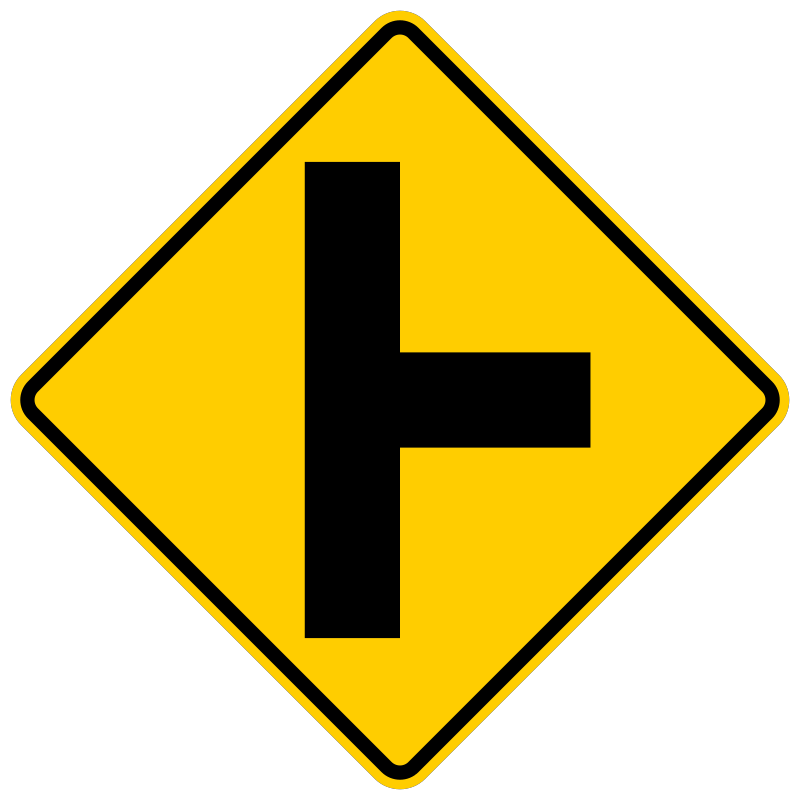 This road sign means:
A
Merge
B
Side Road
C
Merging Traffic
D
All traffic must go straight ahead
This traffic sign indicates: Side Road. Observing and obeying all roadway signs ensures safe traffic flow and legal driving.
Question 11:
When driving in icy or snowy conditions, to avoid crashes drivers should:
A
get off the highway as quickly as possible.
B
reduce speed and increase following distance.
C
add extra weight to the vehicle to improve traction.
D
engage 4 wheel drive on the vehicle.
The correct driving rule is: reduce speed and increase following distance. Following standard DMV road rules and practicing defensive driving ensures safety for all road users.
Question 12:
When driving on wet roads, you should remember:
A
driving on wet roads can cause hydroplaning.
B
you should give yourself additional time to stop.
C
to stay farther behind the vehicle ahead of you.
D
All of the above.
All of the listed points are essential driving requirements: driving on wet roads can cause hydroplaning; you should give yourself additional time to stop; to stay farther behind the vehicle ahead of you. Practicing each ensures compliance with DMV safety laws.
Question 13:
 This road sign means:
A
No right turn
B
Divided highway ends
C
Lane ends
D
Two way Traffic
This traffic sign indicates: Lane ends. Observing and obeying all roadway signs ensures safe traffic flow and legal driving.
Question 14:
 This road sign means:
A
Railroad Crossing
B
Side Road
C
Intersection
D
No Passing Zone
This traffic sign indicates: Intersection. Observing and obeying all roadway signs ensures safe traffic flow and legal driving.
Question 15:
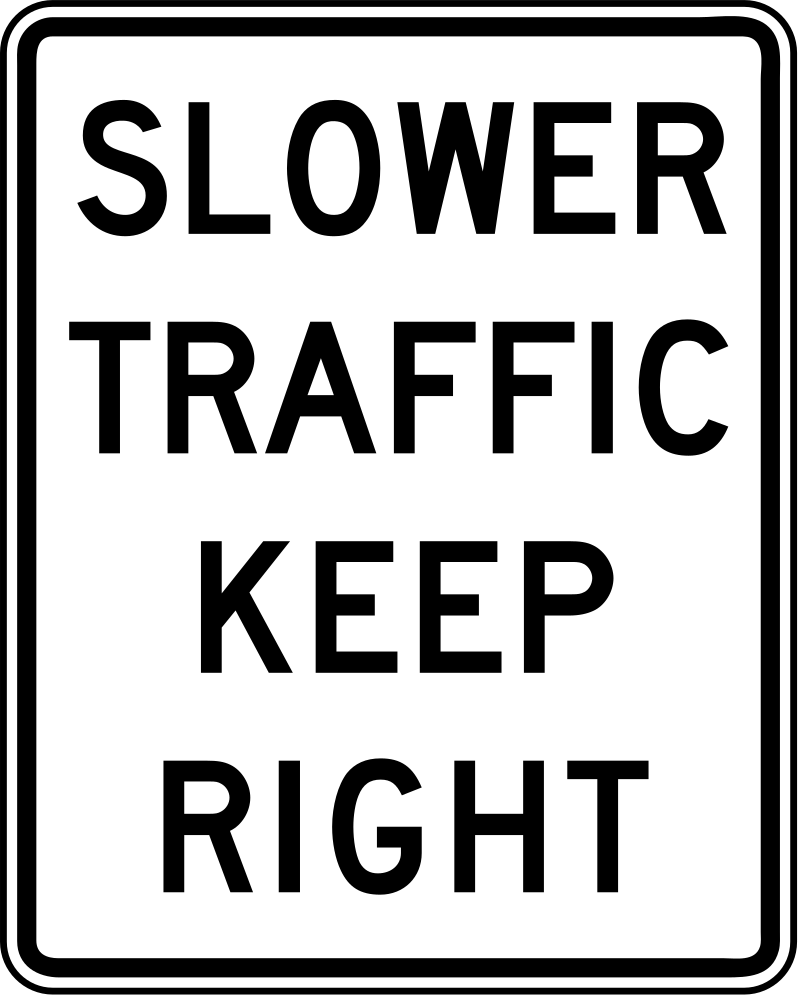 This road sign is:
A
a speed reduction sign.
B
a warning sign.
C
a regulatory sign.
This traffic sign indicates: a regulatory sign. Observing and obeying all roadway signs ensures safe traffic flow and legal driving.
Question 16:
Drivers should you consider driving around a railroad crossing gate that is going down:
A
under no circumstances.
B
only when there is a safe shoulder to the right of the gate.
C
only if the gate is malfunctioning.
D
None of the above.
The correct driving rule is: under no circumstances. Following standard DMV road rules and practicing defensive driving ensures safety for all road users.
Question 17:
If two vehicles arrive at a four-way stop at the same time:
A
both vehicles must stop.
B
the vehicle on the left must yield to the vehicle on the right.
C
the driver on the left must signal the driver on the right to go.
D
the vehicle on the right must yield to the vehicle on the left.
At an uncontrolled intersection or 4-way stop where vehicles arrive at the same time: the vehicle on the left must yield to the vehicle on the right. The driver on the left must always yield to the driver on the right.
Question 18:
If a traffic officer signals you to drive through a red light:
A
you must not obey the officer. Signs and signals take precedence over directions given by traffic officers.
B
you must wait for the red light to turn green.
C
you must do it
D
you must call the police
According to standard right-of-way regulations: you must do it. Yielding appropriately prevents intersection collisions and maintains safe traffic flow.
Question 19:
you must call the police.
A
Both.
B
The other driver.
C
No one.
D
You.
The correct driving rule is: The other driver. Following standard DMV road rules and practicing defensive driving ensures safety for all road users.
Question 20:
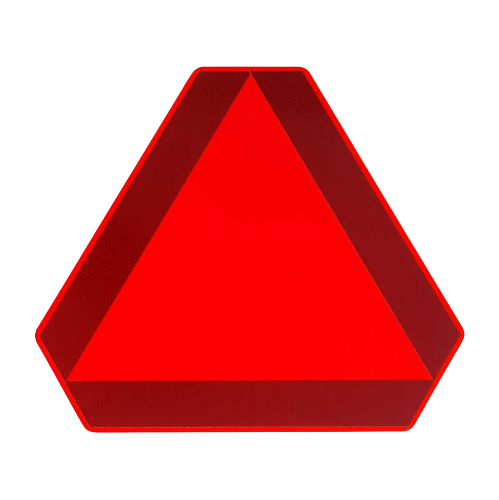 An orange triangle with red borders means:
A
Slow moving vehicle
B
No Passing Zone
C
Yield
D
Work zone ahead
The correct driving rule is: slow moving vehicle. Following standard DMV road rules and practicing defensive driving ensures safety for all road users.