Question 1:
Drivers should check their rearview mirrors:
A
often to see how traffic is moving behind them.
B
only when slowing down.
C
to see if a truck is in their blind spot.
The correct driving rule is: often to see how traffic is moving behind them. Following standard DMV road rules and practicing defensive driving ensures safety for all road users.
Question 2:
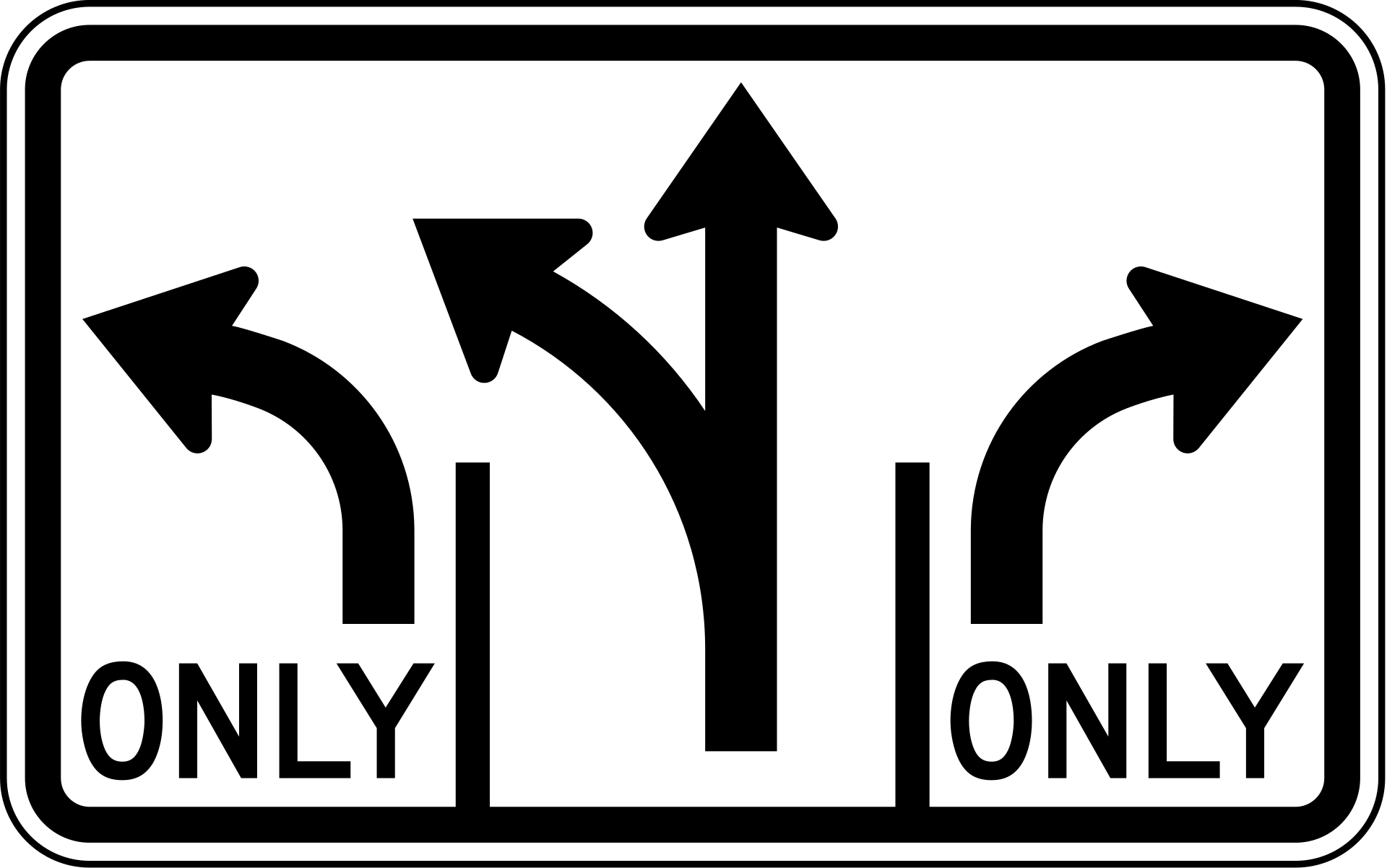 This regulatory sign tells drivers that:
A
traffic in the left lane must turn left at the intersection ahead.
B
all vehicles must turn left immediately.
C
traffic in the right lane must go straight.
This traffic sign indicates: traffic in the left lane must turn left at the intersection ahead. Observing and obeying all roadway signs ensures safe traffic flow and legal driving.
Question 3:
After parking, are you allowed to open a door on the road side of your vehicle?
A
Yes, always.
B
Yes, but only if it does not interfere with bicyclists and other traffic.
C
No, never.
Under standard parking and curb regulations: Yes, but only if it does not interfere with bicyclists and other traffic. Following parking distance clearances keeps roadways unobstructed and emergency lanes accessible.
Question 4:
If the roadway is wet, you should:
A
increase your speed.
B
reduce your speed.
C
maintain the same speed.
The correct driving rule is: reduce your speed. Following standard DMV road rules and practicing defensive driving ensures safety for all road users.
Question 5:
When entering an interstate highway, drivers should:
A
check for cars and slow down to 25 MPH before merging with the flow of traffic.
B
wait for an opening in traffic on the entrance ramp.
C
adjust speed to meet a traffic gap, then merge at a safe speed.
Defensive driving guidelines state that: adjust speed to meet a traffic gap, then merge at a safe speed. Anticipating road hazards and communicating maneuvers keeps traffic predictable and safe.
Question 6:
There is no crosswalk and a pedestrian is crossing your lane ahead. You should:
A
stop and let the pedestrian finish crossing the street.
B
slow down as you pass the pedestrian.
C
make eye contact and then pass the pedestrian.
Drivers must always yield the right-of-way to pedestrians crossing at intersections and crosswalks: stop and let the pedestrian finish crossing the street. Stop and allow them to clear the lane safely.
Question 7:
At a stop sign there is no stop line or crosswalk. You must stop:
A
before you enter the intersection.
B
at the next crosswalk.
C
after you enter the intersection, if you have a clear view of traffic on the intersecting roadway.
Drivers must always yield the right-of-way to pedestrians crossing at intersections and crosswalks: before you enter the intersection. Stop and allow them to clear the lane safely.
Question 8:
What should drivers do when the red lights begin to flash?
A
Stop.
B
Yield.
C
Slow down.
The correct driving rule is: stop. Following standard DMV road rules and practicing defensive driving ensures safety for all road users.
Question 9:
When you see pedestrians near the road, you should:
A
speed up to clear the area quickly.
B
sound your horn and maintain your current speed.
C
slow down and pass with caution.
The correct driving rule is: slow down and pass with caution. Following standard DMV road rules and practicing defensive driving ensures safety for all road users.
Question 10:
What is the meaning of orange traffic signs?
A
Yield.
B
Warning of school, pedestrian, and bicycling activity.
C
Construction and maintenance warning.
The correct driving rule is: Construction and maintenance warning. Following standard DMV road rules and practicing defensive driving ensures safety for all road users.
Question 11:
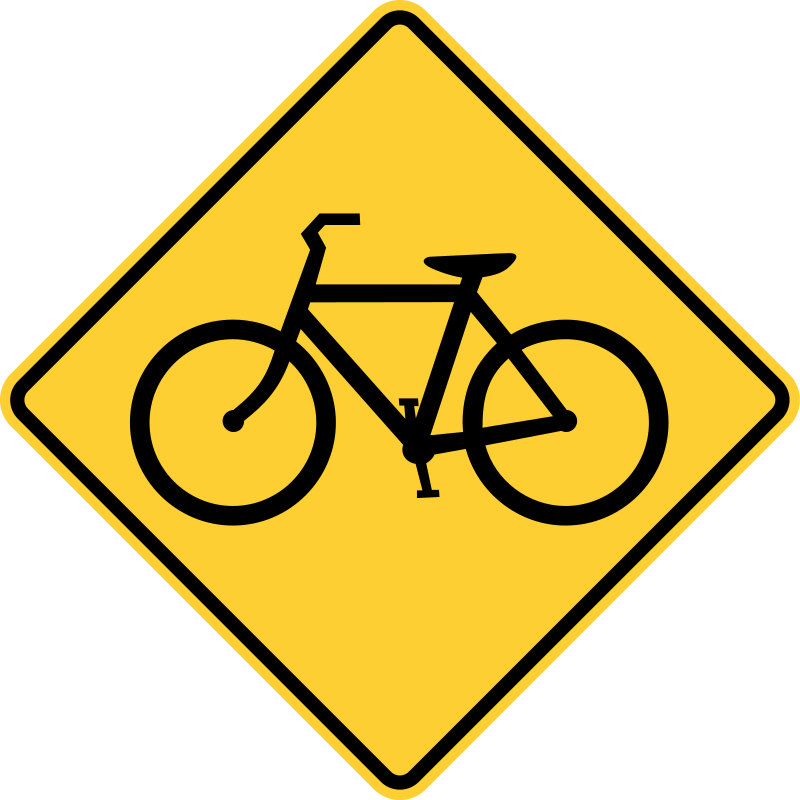 This sign means:
A
Bicycles should yield to vehicles ahead.
B
Warning: a bikeway crosses the roadway ahead.
C
The lane ahead is reserved for bicycles.
This traffic sign indicates: Warning: a bikeway crosses the roadway ahead. Observing and obeying all roadway signs ensures safe traffic flow and legal driving.
Question 12:
 This road sign means:
A
Keep left
B
Divided highway begins
C
Lane ends
This traffic sign indicates: Divided highway begins. Observing and obeying all roadway signs ensures safe traffic flow and legal driving.
Question 13:
Night driving can be more difficult because:
A
vehicle speed and distance are harder to judge.
B
there are more cars on the roads at night.
C
the speed limit is increased at night.
The correct driving rule is: vehicle speed and distance are harder to judge. Following standard DMV road rules and practicing defensive driving ensures safety for all road users.
Question 14:
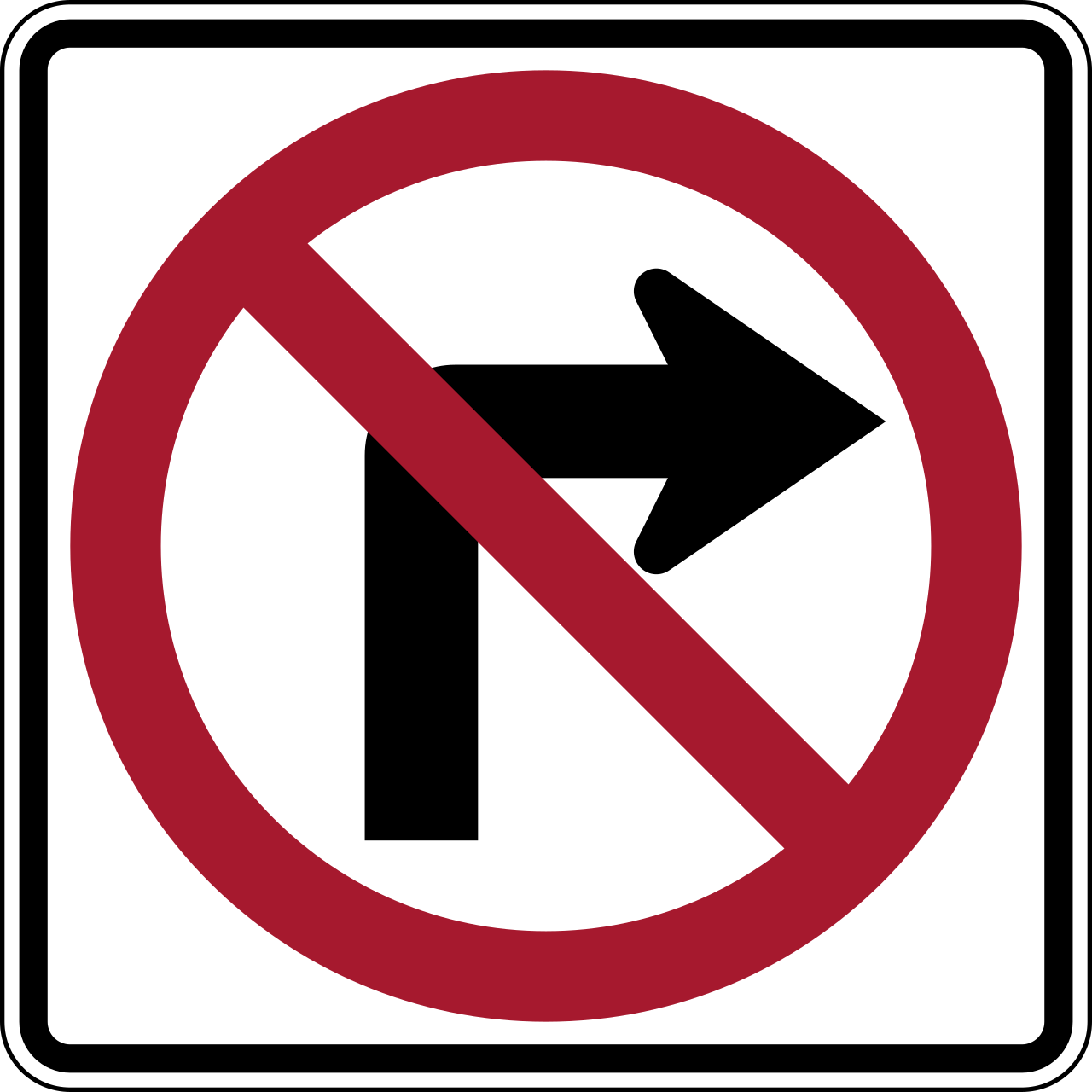 This road sign means:
A
Right turn is not permitted
B
Left turns are permitted
C
You may turn right after yielding the right-of-way to oncoming traffic
This traffic sign indicates: Right turn is not permitted. Observing and obeying all roadway signs ensures safe traffic flow and legal driving.
Question 15:
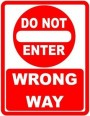 This road sign means:
A
Drivers may proceed if the way is clear
B
Drivers are about to enter a one way street the wrong way
C
U-turns are prohibited
This traffic sign indicates: drivers are about to enter a one way street the wrong way. Observing and obeying all roadway signs ensures safe traffic flow and legal driving.
Question 16:
Which statement about taking medications and driving is true?
A
Cold medications can make a person drowsy.
B
Prescribed drugs are safe to take at any time.
C
Over the counter drugs do not affect driving ability.
The correct driving rule is: Cold medications can make a person drowsy. Following standard DMV road rules and practicing defensive driving ensures safety for all road users.
Question 17:
If you approach a flashing red traffic light, you should treat the intersection the same as:
A
a yield sign.
B
a stop sign.
C
a warning sign.
When an emergency vehicle approaches with flashing lights or sirens, you must safely pull over to the right curb and stop completely until it passes.
Question 18:
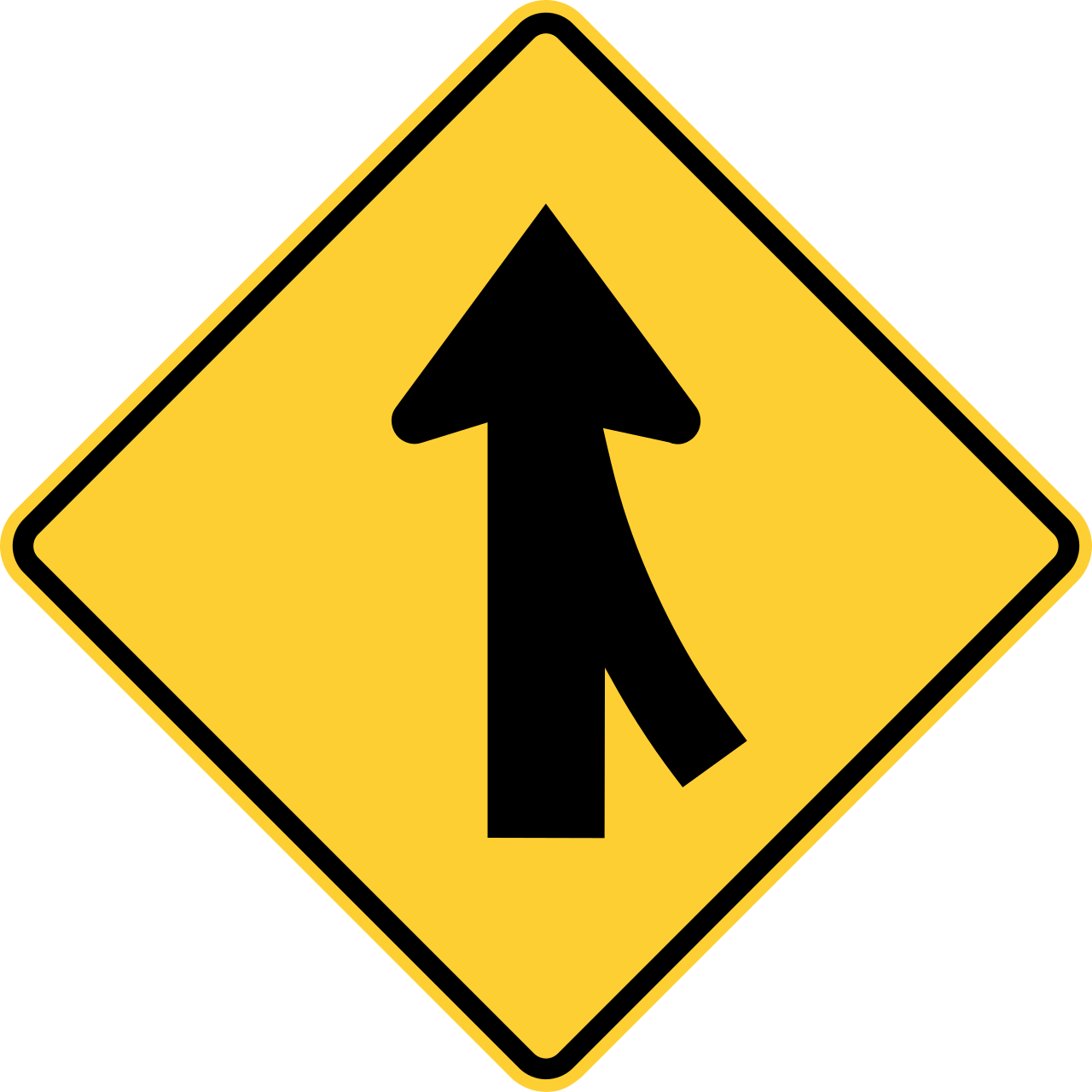 When you see a 'merging traffic' sign on the freeway, you should:
A
slow down to allow traffic to enter.
B
move to another lane to let traffic enter, if safe.
C
speed up to avoid congesting traffic.
Defensive driving guidelines state that: move to another lane to let traffic enter, if safe. Anticipating road hazards and communicating maneuvers keeps traffic predictable and safe.
Question 19:
Always driving slower than other traffic:
A
is a good defensive driving technique.
B
is always safer than driving faster than other traffic.
C
can block traffic.
The correct driving rule is: can block traffic. Following standard DMV road rules and practicing defensive driving ensures safety for all road users.
Question 20:
If you encounter an aggressive driver you should:
A
show them how to drive defensively.
B
speed up.
C
get out of their way.
The correct driving rule is: get out of their way. Following standard DMV road rules and practicing defensive driving ensures safety for all road users.
Question 21:
Stopping distances:
A
are not affected by vehicle speed.
B
decrease as vehicle speed increases.
C
increase as vehicle speed increases.
The correct driving rule is: increase as vehicle speed increases. Following standard DMV road rules and practicing defensive driving ensures safety for all road users.
Question 22:
When turning left at an intersection:
A
you should never yield to oncoming traffic and pedestrians.
B
oncoming traffic and pedestrians should yield to you.
C
you should always yield to oncoming traffic and pedestrians.
According to standard right-of-way regulations: you should always yield to oncoming traffic and pedestrians. Yielding appropriately prevents intersection collisions and maintains safe traffic flow.
Question 23:
On roadways, bicyclists are considered:
A
a distraction.
B
defensive drivers.
C
vehicles.
The correct driving rule is: vehicles. Following standard DMV road rules and practicing defensive driving ensures safety for all road users.
Question 24:
On average, how long does it take your body to remove the alcohol contained in 5 ounces of wine?
A
one hour.
B
30 minutes.
C
3 hours.
Under state DUI and traffic safety laws: one hour. Alcohol degrades judgment, slows reaction times, and distorts depth perception.
Question 25:
Who has a greater risk of being involved in a traffic crash?
A
Drivers who are driving alone.
B
Young people.
C
All of the above.
All of the listed points are essential driving requirements: Drivers who are driving alone; Young people. Practicing each ensures compliance with DMV safety laws.