Question 1:
Broken yellow lines:
A
separate lanes of traffic moving in opposite directions.
B
indicate you are in a no passing zone.
C
separate lanes of traffic moving in the same direction.
The correct driving rule is: separate lanes of traffic moving in opposite directions. Following standard DMV road rules and practicing defensive driving ensures safety for all road users.
Question 2:
 This road sign means:
A
A road joins from the left
B
You must bear either right or left
C
A 3-way intersection is ahead
This traffic sign indicates: you must bear either right or left. Observing and obeying all roadway signs ensures safe traffic flow and legal driving.
Question 3:
If your vehicle has a mechanical problem, you should:
A
signal and pull into the slow lane.
B
stop in your lane and put on your emergency flashers.
C
turn on your hazard lights and pull off the road.
The correct driving rule is: turn on your hazard lights and pull off the road. Following standard DMV road rules and practicing defensive driving ensures safety for all road users.
Question 4:
Are drivers allowed to exceed the speed limit to pass other vehicles?
A
Yes, but only by 10 MPH or less.
B
No.
C
Yes, but only if they drive with caution.
For safe speed and stopping control: No. Adjusting speed to match visibility and road traction prevents loss of steering grip.
Question 5:
16 and 17-year-old licensed drivers may not use a cell phone or mobile electronic device while driving. Violating this law will result in:
A
a 30 day suspension.
B
a 3 month suspension.
C
a $50 fine.
The correct driving rule is: a 30 day suspension. Following standard DMV road rules and practicing defensive driving ensures safety for all road users.
Question 6:
 This road sign tells drivers that:
A
they must change lane immediately.
B
they must turn either to the right or left.
C
the one-way street or roadway ahead ends.
D
None of the above.
This traffic sign indicates: they must turn either to the right or left. Observing and obeying all roadway signs ensures safe traffic flow and legal driving.
Question 7:
If you hear a thumping sound while driving, you should:
A
hook your shoe under the gas pedal and see if you can free it.
B
get off the road and check your tires.
C
try your emergency lights.
The correct driving rule is: get off the road and check your tires. Following standard DMV road rules and practicing defensive driving ensures safety for all road users.
Question 8:
Fatigue increases the risk of:
A
falling asleep while driving.
B
hitting a roadblock.
C
missing an exit.
Under state DUI and traffic safety laws: falling asleep while driving. Alcohol degrades judgment, slows reaction times, and distorts depth perception.
Question 9:
Blind spots around a large vehicle are _________________ than the blind spots around a car.
A
larger and deeper
B
less dangerous
C
narrower and shorter
The correct driving rule is: larger and deeper. Following standard DMV road rules and practicing defensive driving ensures safety for all road users.
Question 10:
 Signs with orange backgrounds mean:
A
railroad crossing.
B
side road ahead.
C
road construction site.
The correct driving rule is: road construction site. Following standard DMV road rules and practicing defensive driving ensures safety for all road users.
Question 11:
You must come to a full stop at a yield sign:
A
Always.
B
Never.
C
If traffic conditions require it.
The correct driving rule is: If traffic conditions require it. Following standard DMV road rules and practicing defensive driving ensures safety for all road users.
Question 12:
What is the first thing you should do if your wheels move off the pavement?
A
Pull the steering wheel back.
B
Pull over to the right and sound your horn to warn the other drivers.
C
Ease your foot off the gas pedal and brake gently.
The correct driving rule is: Ease your foot off the gas pedal and brake gently. Following standard DMV road rules and practicing defensive driving ensures safety for all road users.
Question 13:
Service signs are ____ with ____ letters and symbols.
A
blue; white
B
white; black
C
green; white
The correct driving rule is: blue; white. Following standard DMV road rules and practicing defensive driving ensures safety for all road users.
Question 14:
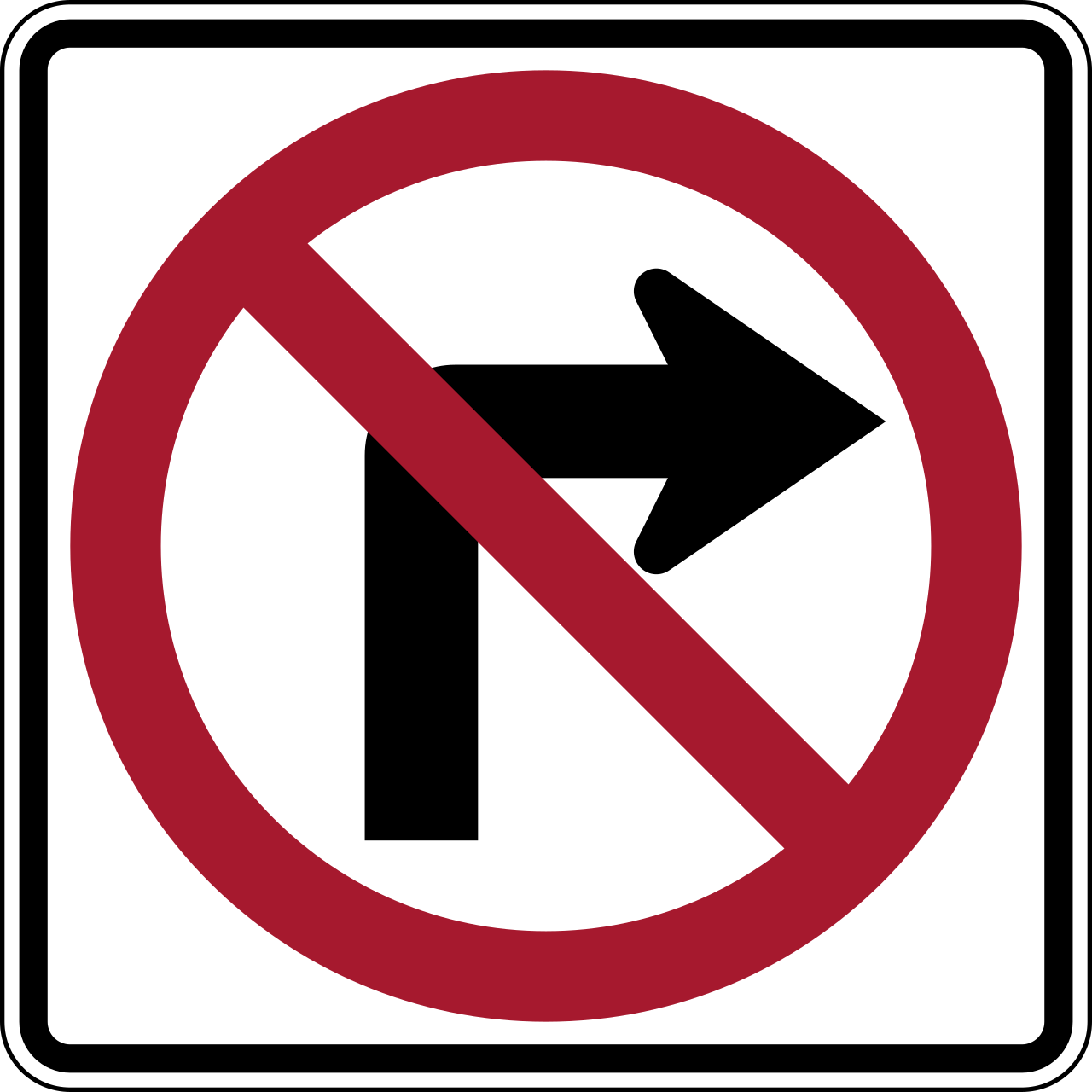 This road sign means:
A
No left turn
B
No right turn
C
No U-turns
This traffic sign indicates: No right turn. Observing and obeying all roadway signs ensures safe traffic flow and legal driving.
Question 15:
When passing another car, you have enough room to return to the driving lane when:
A
you cannot see the vehicle directly to your right.
B
you are at least 50 feet in front of the vehicle.
C
you can see both headlights of the car you passed in your rearview mirror.
Defensive driving guidelines state that: you can see both headlights of the car you passed in your rearview mirror. Anticipating road hazards and communicating maneuvers keeps traffic predictable and safe.
Question 16:
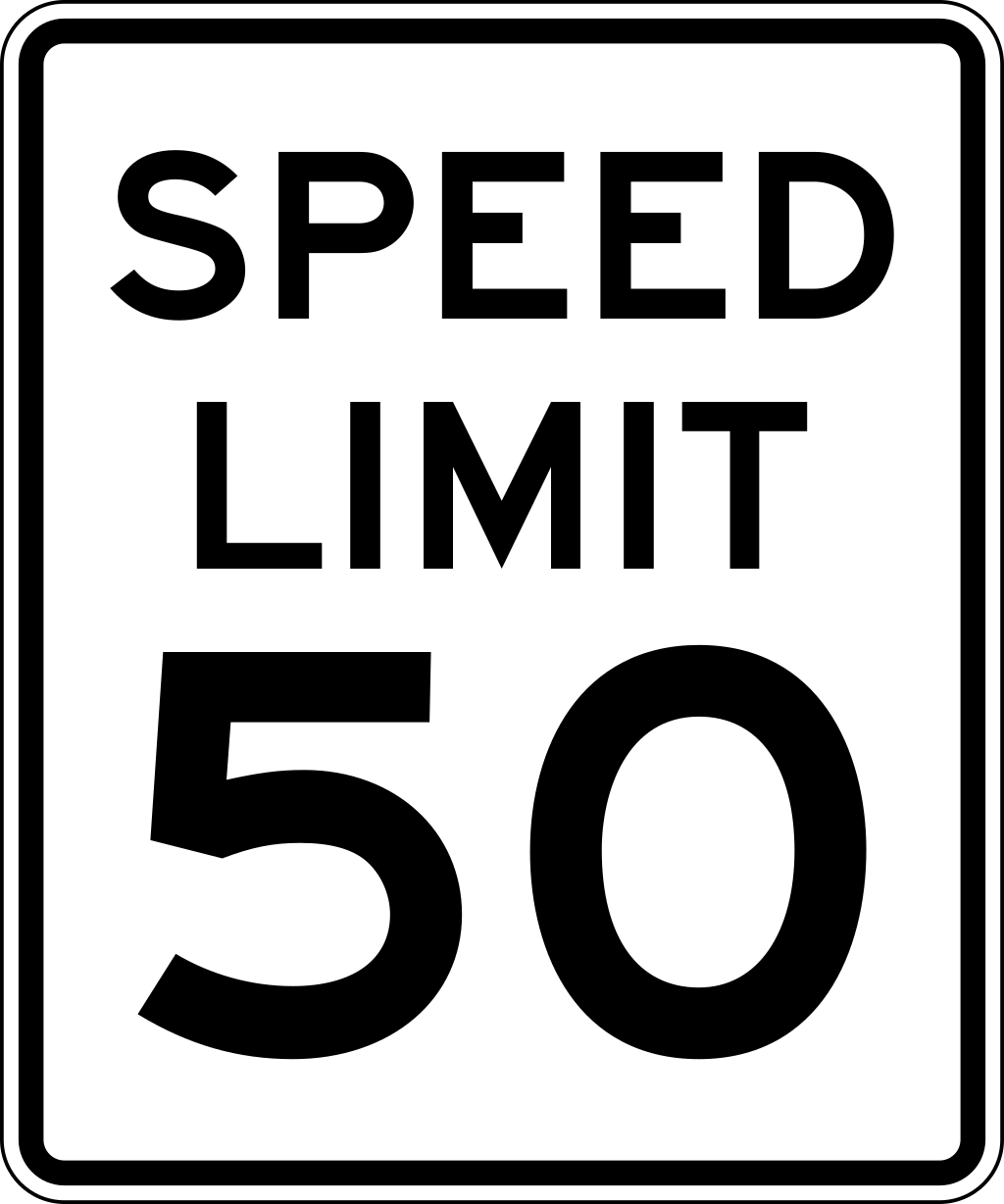 This road sign means:
A
You must travel at the speed indicated
B
The maximum speed limit under ideal conditions
C
None of the above
This traffic sign indicates: The maximum speed limit under ideal conditions. Observing and obeying all roadway signs ensures safe traffic flow and legal driving.
Question 17:
When approaching a highway-rail intersection, the first sign drivers see is usually:
A
an RXR round sign on a yellow background.
B
a stop sign.
C
a yield sign.
According to standard right-of-way regulations: an RXR round sign on a yellow background. Yielding appropriately prevents intersection collisions and maintains safe traffic flow.
Question 18:
If you are about to be hit from behind, you should NOT:
A
be ready to apply your brakes.
B
put your head against the head restraint.
C
let go of the steering wheel.
The correct driving rule is: let go of the steering wheel. Following standard DMV road rules and practicing defensive driving ensures safety for all road users.
Question 19:
Passenger restrictions apply for _______ to license holders who have received their driver's license.
A
3 months
B
12 months
C
6 months
The correct driving rule is: 12 months. Following standard DMV road rules and practicing defensive driving ensures safety for all road users.
Question 20:
After you've held your driving license for 6 months, which one of the following passengers cannot be in the vehicle when you are driving?
A
Your younger brother.
B
Your parent(s).
C
Your 18 year old friend.
The correct driving rule is: Your 18 year old friend. Following standard DMV road rules and practicing defensive driving ensures safety for all road users.
Question 21:
When changing lanes, drivers should never:
A
check to see if other drivers are moving into the same lane.
B
change lanes abruptly.
C
glance over their shoulder to check for blind spots.
The correct driving rule is: change lanes abruptly. Following standard DMV road rules and practicing defensive driving ensures safety for all road users.
Question 22:
When driving at night, drivers should:
A
always use their high beams.
B
increase their following distance.
C
look directly into the oncoming headlights of approaching vehicles.
The correct driving rule is: increase their following distance. Following standard DMV road rules and practicing defensive driving ensures safety for all road users.
Question 23:
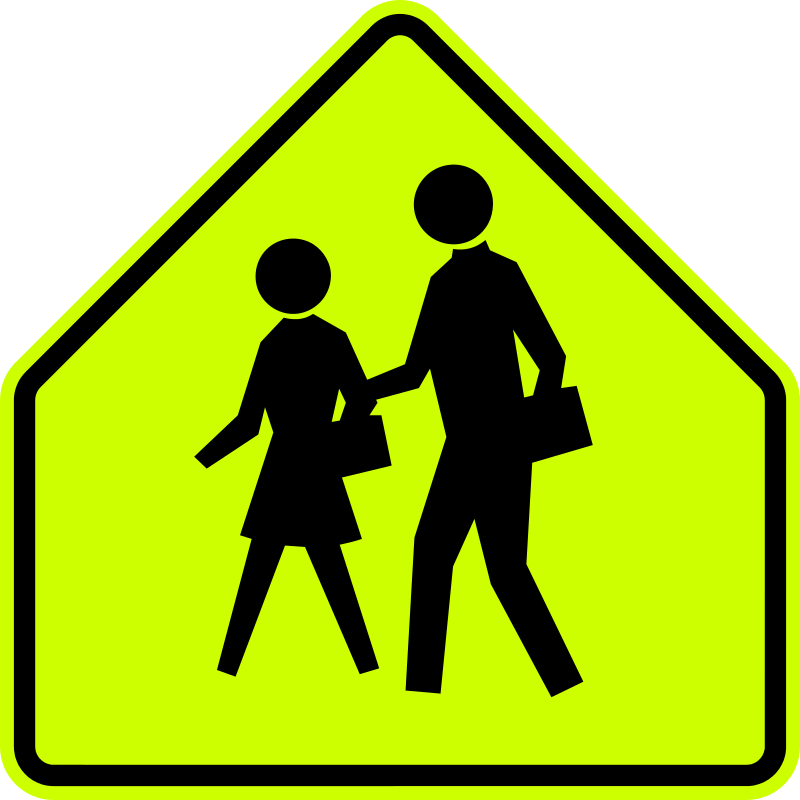 When you see this sign, you should:
A
be prepared to stop if children are in the crosswalk.
B
slow down, proceed with caution and watch for blind people.
C
always stop at the crosswalk.
This traffic sign indicates: be prepared to stop if children are in the crosswalk. Observing and obeying all roadway signs ensures safe traffic flow and legal driving.
Question 24:
If a tire blows out, drivers should:
A
apply the brake firmly and hold it.
B
hold the steering wheel tightly and use the brakes lightly.
C
pull over quickly.
The correct driving rule is: hold the steering wheel tightly and use the brakes lightly. Following standard DMV road rules and practicing defensive driving ensures safety for all road users.
Question 25:
A driver distraction is anything that:
A
causes aggressive behavior while driving.
B
causes excessive concentration while driving.
C
takes the attention away from driving.
The correct driving rule is: takes the attention away from driving. Following standard DMV road rules and practicing defensive driving ensures safety for all road users.