Pregunta 1:
If it is your second collision in a 2-year period, you will be required to:
A
attend a DUI Prevention Course.
B
retake the driving knowledge test.
C
attend a Community Centre for 3 months.
D
attend a Traffic Collision Avoidance Course.
The correct driving rule is: attend a Traffic Collision Avoidance Course. Following standard DMV road rules and practicing defensive driving ensures safety for all road users.
Pregunta 2:
La primera señal que ven los conductores cuando se acercan a una intersección entre autopista y ferrocarril suele ser:
A
una señal cruzada.
B
una señal de advertencia anticipada.
C
una señal de límite de velocidad.
Según las normas estándar de derecho de paso: una señal de advertencia anticipada. Ceder el paso adecuadamente previene colisiones en las intersecciones y mantiene un flujo de tráfico seguro.
Pregunta 3:
Cualquiera que utilice un Permiso de Estacionamiento que no le pertenezca puede:
A
ser acusado de un delito menor de segundo grado.
B
prestar el Permiso de Estacionamiento a personas con discapacidad.
C
aparcar legalmente en espacios reservados para personas con discapacidad.
D
ser enviado a prisión.
Según las normas estándar de estacionamiento y aceras: se le acusará de un delito menor de segundo grado. Respetar las distancias de estacionamiento mantiene las carreteras despejadas y los carriles de emergencia accesibles.
Pregunta 4:
You can be charged with DUI if you are found to be driving:
A
while under the influence of alcohol or controlled substances.
B
under the influence of heavy metal music (rage music).
C
while you are angry.
D
while texting.
Under state DUI and traffic safety laws: while under the influence of alcohol or controlled substances. Alcohol degrades judgment, slows reaction times, and distorts depth perception.
Pregunta 5:
Los conductores deben obedecer las señales de tránsito excepto cuando:
A
los peatones están cruzando la calle.
B
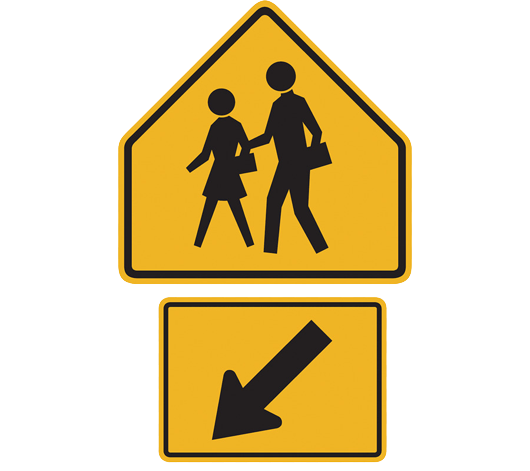
están impacientes.
C
un oficial está dirigiendo el tráfico.
D
Hay un coche en la línea de parada.
La regla de conducción correcta es: un oficial dirige el tráfico. Seguir las reglas de tránsito estándar del DMV y practicar la conducción defensiva garantiza la seguridad de todos los usuarios de la vía.
Pregunta 6:
Which drugs can affect a person’s ability to drive safely?
A
Illegal drugs only.
B
Many prescription drugs and even many of the drugs you can buy without a prescription.
C
Over the counter drugs only.
D
Prescription drugs only.
Under state DUI and traffic safety laws: Many prescription drugs and even many of the drugs you can buy without a prescription. Alcohol degrades judgment, slows reaction times, and distorts depth perception.
Pregunta 7:
A menos que se indique lo contrario, ¿cuál es el límite de velocidad en una carretera fuera de un pueblo o ciudad?
A
50 MPH
B
65 MPH
C
55 MPH
D
70 MPH
Para un control seguro de velocidad y parada: 55 MPH. Ajustar la velocidad para que coincida con la visibilidad y la tracción en la carretera evita la pérdida de agarre de la dirección.
Pregunta 8:
 Esta señal advierte de un ________ más adelante.
A
colina
B
zona prohibida para rebasar
C
hombro suave
Esta señal de tráfico indica: colina. Observar y obedecer todas las señales en la carretera garantiza un flujo de tráfico seguro y una conducción legal.
Pregunta 9:
Beber alcohol NO:
A
mejorar los reflejos.
B
distorsionar la toma de decisiones.
C
perjudicar el juicio.
D
dificultar la coordinación.
Según las leyes estatales de DUI y seguridad vial: mejore los reflejos. El alcohol degrada el juicio, ralentiza los tiempos de reacción y distorsiona la percepción de profundidad.
Pregunta 10:
Which of the following is true about double yellow lines, one solid, one broken?
A
They prohibit vehicles moving in either direction from crossing the lines.
B
If the broken line is closer to the driver, he/she can cross the broken line only to pass another vehicle, if it is safe to do so.
C
They separate lanes of traffic moving in the same direction.
D
None of the above.
The correct driving rule is: If the broken line is closer to the driver, he/she can cross the broken line only to pass another vehicle, if it is safe to do so. Following standard DMV road rules and practicing defensive driving ensures safety for all road users.
Pregunta 11:
Your license can be cancelled if:
A
your license was issued in error.
B
you are found guilty of 2 cases of reckless driving within one year.
C
you are found guilty of racing on a highway.
D
you break a traffic law and fail to pay your fine.
The correct driving rule is: your license was issued in error. Following standard DMV road rules and practicing defensive driving ensures safety for all road users.
Pregunta 12:
What is the meaning of fluorescent yellow green signs?
A
Green area ahead.
B
Warning of school, pedestrian, and bicycling activity.
C
Railroad crossing.
D
Construction area ahead.
The correct driving rule is: Warning of school, pedestrian, and bicycling activity. Following standard DMV road rules and practicing defensive driving ensures safety for all road users.
Pregunta 13:
Bike lanes are separated from motor vehicle travel lanes by:
A
double yellow lines.
B
broken yellow lines.
C
solid or broken white lines.
D
solid yellow lines.
The correct driving rule is: solid or broken white lines. Following standard DMV road rules and practicing defensive driving ensures safety for all road users.
Pregunta 14:
The Financial Responsibility Law requires you to have bodily injury liability insurance at the time of:
A
a crash where you are at fault and injuries have occurred.
B
a citation for DUI, which results in a revocation.
C
a suspension for excessive points against your driver license.
D
All of the above.
All of the listed points are essential driving requirements: a crash where you are at fault and injuries have occurred; a citation for DUI, which results in a revocation; a suspension for excessive points against your driver license. Practicing each ensures compliance with DMV safety laws.
Pregunta 15:
Los motociclistas pueden reducir la velocidad sin previo aviso visual porque:
A
Ocupan menos de su campo de visión.
B
pueden detenerse mucho más rápido que los automóviles.
C
a menudo reducen la velocidad reduciendo la marcha o soltando el acelerador.
D
Es posible que algunas motocicletas no tengan luz de freno.
La regla de conducción correcta es: a menudo reducen la velocidad reduciendo la marcha o soltando el acelerador. Seguir las reglas de tránsito estándar del DMV y practicar la conducción defensiva garantiza la seguridad de todos los usuarios de la vía.
Pregunta 16:
A _______ line marks the left edge of the pavement on divided or one-way roadways.
A
double yellow
B
broken white
C
solid white
D
single yellow
The correct driving rule is: single yellow. Following standard DMV road rules and practicing defensive driving ensures safety for all road users.
Pregunta 17:
Drivers should ________ share the lane with a motorcycle.
A
stay on the left and
B
always attempt to
C
drive with caution when they
D
never attempt to
Motorcycles can stop rapidly and are easily hidden in vehicle blind spots: never attempt to. Always allow an increased following distance of at least 3 to 4 seconds.
Pregunta 18:
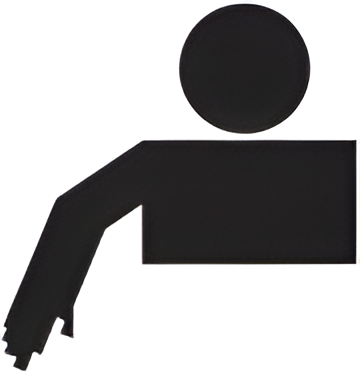 The driver in the picture is using hand signals to show that he is about to:
A
yield to oncoming vehicles.
B
slow down or stop.
C
turn right.
D
turn left.
The correct driving rule is: slow down or stop. Following standard DMV road rules and practicing defensive driving ensures safety for all road users.
Pregunta 19:
Vehicles going less than __ miles per hour must display the ‘slow moving vehicle’ sign on the rear when using public highways.
A
25
B
35
C
15
D
55
The correct driving rule is: 25. Following standard DMV road rules and practicing defensive driving ensures safety for all road users.
Pregunta 20:
At the time of arrest for DUI, you will be suspended if you have a breath or blood alcohol level of ___ or above.
A
0.008
B
0.08
C
0.8
D
8
In nearly all US states, drivers age 21 and older are legally intoxicated with a Blood Alcohol Concentration (BAC) of 0.08% or higher.
Pregunta 21:
Drivers under 21 years old who receive a notice of suspension for driving with a BAL of .02 to .05, must:
A
take their driving tests again.
B
complete an advanced driver improvement course.
C
complete a Traffic Law and Substance Abuse Education course.
D
complete a basic driver improvement course.
The correct driving rule is: complete a Traffic Law and Substance Abuse Education course. Following standard DMV road rules and practicing defensive driving ensures safety for all road users.
Pregunta 22:
Which of the following is NOT dangerous:
A
Driving while texting on a mobile phone.
B
Driving when you are upset.
C
Using high-beam headlights within 100 feet of oncoming vehicles.
D
None of the other answers are correct.
The correct driving rule is: None of the other answers are correct. Following standard DMV road rules and practicing defensive driving ensures safety for all road users.
Pregunta 23:
Horizontal rectangles:
A
typically provide guidance to drivers.
B
are always red.
C
are used exclusively for yield signs.
D
are used for regulatory signs.
The correct driving rule is: typically provide guidance to drivers. Following standard DMV road rules and practicing defensive driving ensures safety for all road users.
Pregunta 24:
Se utiliza la señal de "Tráfico más lento, manténgase a la derecha":
A
en la mayoría de las intersecciones.
B
en autopistas de varios carriles.
C
en zonas escolares.
La regla de conducción correcta es: en carreteras de varios carriles. Seguir las reglas de tránsito estándar del DMV y practicar la conducción defensiva garantiza la seguridad de todos los usuarios de la vía.
Pregunta 25:
 Cuando los conductores lleguen a esta señal, deben:
A
Esté preparado para detenerse en la señal de alto.
B
advertir a otros conductores que hay una señal de alto más adelante.
C
frene bruscamente y deténgase por completo.
Esta señal de tráfico indica: esté preparado para detenerse en la señal de alto. Observar y obedecer todas las señales en la carretera garantiza un flujo de tráfico seguro y una conducción legal.
Pregunta 26:
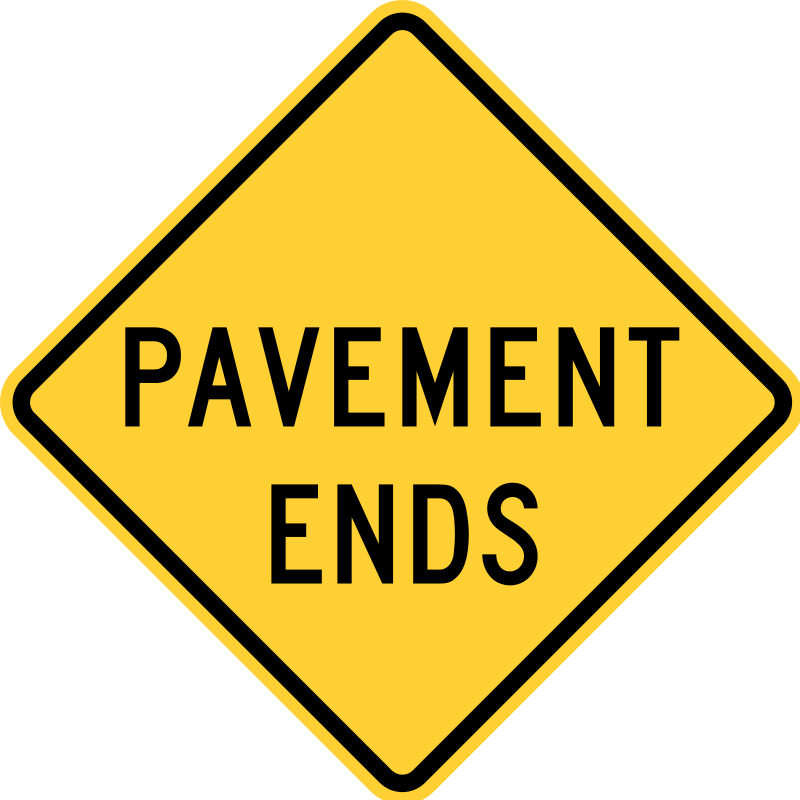 Esta señal de tráfico advierte a los conductores que:
A
la superficie del camino más adelante cambia a una superficie de tipo bajo o camino de tierra.
B
Los vehículos deben abandonar la acera inmediatamente.
C
la tierra al costado del camino es blanda.
Esta señal de tránsito indica: la superficie del camino más adelante cambia a un camino de superficie baja o de tierra. Observar y obedecer todas las señales en la carretera garantiza un flujo de tráfico seguro y una conducción legal.
Pregunta 27:
Who has the right-of-way in Florida?
A
Pedestrians
B
Trucks
C
No one
D
Everyone
According to standard right-of-way regulations: No one. Yielding appropriately prevents intersection collisions and maintains safe traffic flow.
Pregunta 28:
You are driving toward a railroad crossing that does not have gates or lights. A train is approaching, but there might be just enough time for you to cross the tracks before it arrives. You should:
A
stop on the tracks and get out of the vehicle immediately.
B
increase your speed and cross the tracks before the train arrives.
C
slow down, stop at the crossing, and wait for the train to cross in front of you.
D
cross the tracks only if the train is more than 50 feet away.
The correct driving rule is: slow down, stop at the crossing, and wait for the train to cross in front of you. Following standard DMV road rules and practicing defensive driving ensures safety for all road users.
Pregunta 29:
What should you do if you drive past the exit on an interstate highway where you wanted to get off?
A
Go to the next exit.
B
Slow down and signal the intention to leave the expressway by using the turn signal.
C
Come to a complete stop.
D
Make a U-turn and go back to the desired exit.
Defensive driving guidelines state that: Go to the next exit. Anticipating road hazards and communicating maneuvers keeps traffic predictable and safe.
Pregunta 30:
The ‘Speeding Fines Doubled’ sign applies to:
A
one-way streets.
B
expressway exit ramps and divided highways.
C
both active school and work zones.
D
interstate highways.
The correct driving rule is: both active school and work zones. Following standard DMV road rules and practicing defensive driving ensures safety for all road users.
Pregunta 31:
If a road has four or more lanes with two-way traffic, drivers should drive _______ except when overtaking and passing.
A
in the right lanes
B
in the center lanes
C
slowly
D
in the left lanes
Defensive driving guidelines state that: in the right lanes. Anticipating road hazards and communicating maneuvers keeps traffic predictable and safe.
Pregunta 32:
En las siguientes situaciones, los conductores deben aumentar su siguiente intervalo:
A
Al seguir vehículos que deben detenerse en cruces de ferrocarril.
B
Cuando es difícil ver hacia adelante debido al mal tiempo.
C
Todo lo anterior.
Todos los puntos enumerados son requisitos de conducción esenciales: cuando siguen vehículos que deben detenerse en los cruces de ferrocarril; Cuando es difícil ver hacia adelante debido al mal tiempo. Practicar cada uno garantiza el cumplimiento de las leyes de seguridad del DMV.
Pregunta 33:
Which of the following are NOT exempt from the seat belt requirements?
A
Motorcycles.
B
Buses used for transportation of persons for compensation.
C
Passengers under the age of 18.
D
A person certified by a physician as having a medical condition that causes seat belt use to be inappropriate.
The correct driving rule is: Passengers under the age of 18. Following standard DMV road rules and practicing defensive driving ensures safety for all road users.
Pregunta 34:
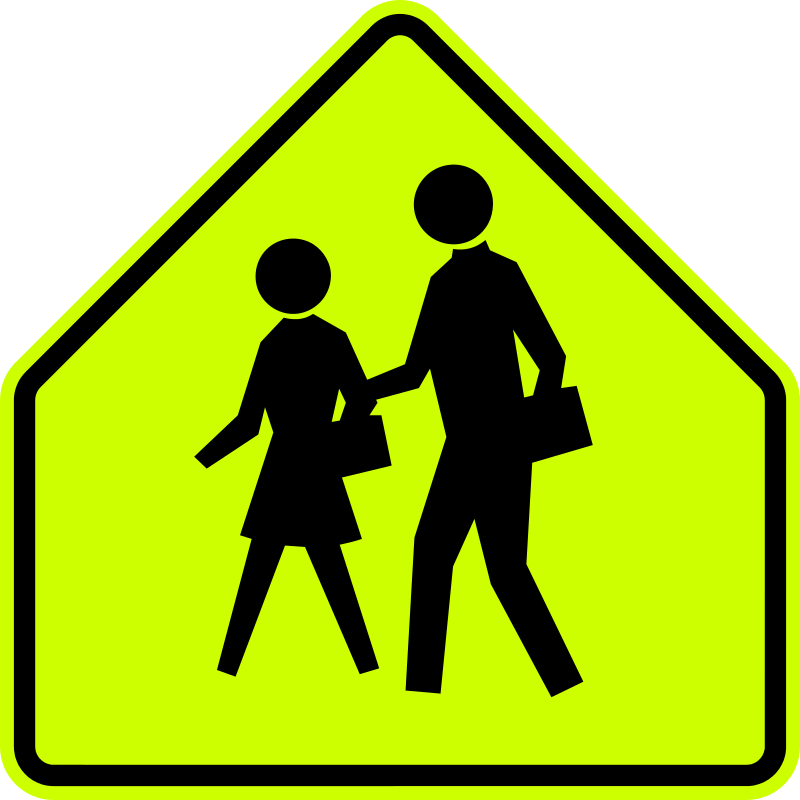 Este signo significa:
A
Zona de negocios cercana. Esté atento a la gente de negocios.
B
Hay una zona de trabajo más adelante. Esté atento a los trabajadores.
C
El conductor está cerca de una escuela y debe estar atento a los niños.
Las señales pentagonales (de 5 lados) están reservadas exclusivamente para zonas escolares y cruces escolares: el conductor está cerca de una escuela y debe estar atento a los niños. Los conductores deben reducir la velocidad y ceder el paso a todos los niños que crucen.
Pregunta 35:
If you are driving on a two-lane road and come to an intersection with a divided highway, you:
A
must yield the right of way to trains.
B
must yield the right-of-way to other traffic.
C
have the right-of-way.
D
None of the above.
According to standard right-of-way regulations: must yield the right-of-way to other traffic. Yielding appropriately prevents intersection collisions and maintains safe traffic flow.
Pregunta 36:
Se permiten giros a la izquierda con semáforo en rojo:
A
de una calle de un solo sentido a una calle de un solo sentido.
B
Nunca.
C
en los cruces, después de detenerse, si el camino está despejado.
Al girar a la izquierda cruzando carriles de tránsito: de una calle de un solo sentido a una calle de un solo sentido. Debe ceder el paso a todos los vehículos que se aproximan y a los peatones que cruzan antes de completar el giro.
Pregunta 37:
Reckless driving will result in __ points being added.
A
6
B
2
C
3
D
4
The correct driving rule is: 4. Following standard DMV road rules and practicing defensive driving ensures safety for all road users.
Pregunta 38:
What is the stopping distance of an average freight train traveling at 30 MPH?
A
Less than 50 feet.
B
More than half a mile.
C
About 200 feet.
D
About 100 feet.
For safe speed and stopping control: More than half a mile. Adjusting speed to match visibility and road traction prevents loss of steering grip.
Pregunta 39:
Drivers may not have on or in their car:
A
Blue emergency lights.
B
Signs, stickers or posters on windows, except those required by law.
C
A TV which the driver can see.
D
All of the above.
All of the listed points are essential driving requirements: Blue emergency lights; Signs, stickers or posters on windows, except those required by law; A TV which the driver can see. Practicing each ensures compliance with DMV safety laws.
Pregunta 40:
All children _____ years of age or younger must use a restraint device when riding in a motor vehicle.
A
5
B
9
C
3
D
6
The correct driving rule is: 5. Following standard DMV road rules and practicing defensive driving ensures safety for all road users.
Pregunta 41:
Any driver under the age of 18 who accumulates _ or more points within a __ month period is automatically restricted for one year to driving for “Business Purposes ONLY”.
A
9; 18
B
6; 12
C
6; 18
D
8; 18
The correct driving rule is: 6; 12. Following standard DMV road rules and practicing defensive driving ensures safety for all road users.
Pregunta 42:
Cuando ven una señal cruzada, los conductores:
A
Debe reducir la velocidad y esperar a que las luces rojas parpadeen.
B
siempre debe detenerse por completo.
C
están obligados legalmente a ceder el derecho de paso a los trenes.
La regla de conducción correcta es: están obligados legalmente a ceder el paso a los trenes. Seguir las reglas de tránsito estándar del DMV y practicar la conducción defensiva garantiza la seguridad de todos los usuarios de la vía.
Pregunta 43:
Cars must have two red stoplights, visible from ___ feet in the daytime.
A
1000
B
300
C
50
D
150
The correct driving rule is: 300. Following standard DMV road rules and practicing defensive driving ensures safety for all road users.
Pregunta 44:
When leaving an expressway, drivers should NOT:
A
slow down as soon as they are off the expressway.
B
signal their intention to leave the expressway by using their turn signal.
C
make last-minute turns into an exit.
D
All of the above.
The correct driving rule is: make last-minute turns into an exit. Following standard DMV road rules and practicing defensive driving ensures safety for all road users.
Pregunta 45:
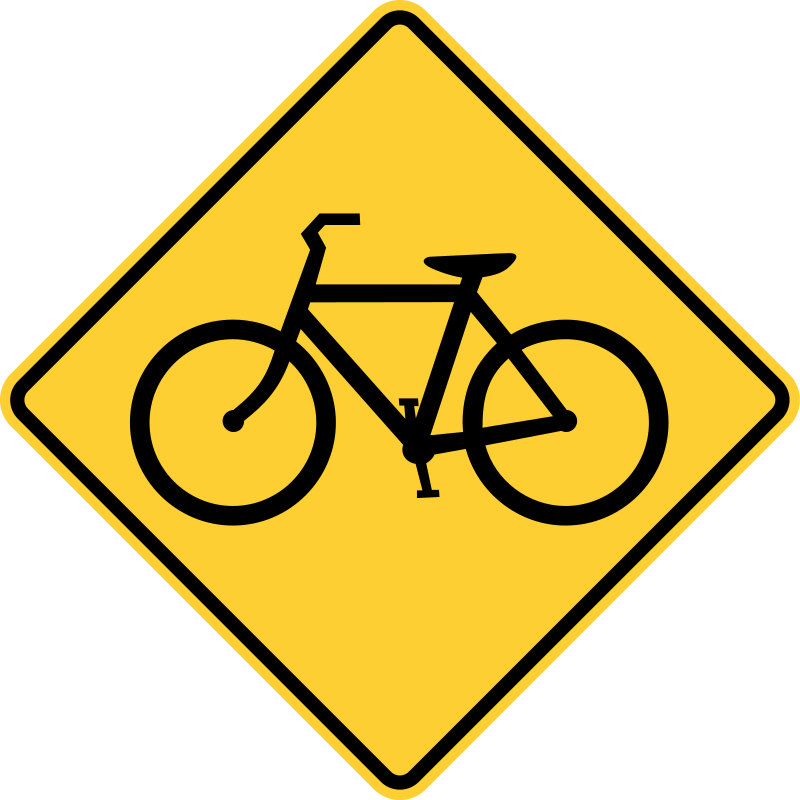 Este signo significa:
A
Las bicicletas deben ceder el paso a los vehículos que van delante.
B
Advertencia: un carril bici cruza la carretera más adelante.
C
El carril de delante está reservado para bicicletas.
Esta señal de tráfico indica: Advertencia: un carril bici cruza la carretera más adelante. Observar y obedecer todas las señales en la carretera garantiza un flujo de tráfico seguro y una conducción legal.
Pregunta 46:
You are going to a party where you plan to have a few drinks. You should:
A
be extremely careful when driving back home.
B
arrange to go with two or more persons and agree which one of you will not drink alcohol.
C
stop drinking at least half an hour before leaving the party.
D
drink no more than 4 glasses of wine.
The correct driving rule is: arrange to go with two or more persons and agree which one of you will not drink alcohol. Following standard DMV road rules and practicing defensive driving ensures safety for all road users.
Pregunta 47:
 Cuando se acerquen a esta señal, los conductores deben:
A
reduzca la velocidad y esté atento a los niños que cruzan la calle.
B
obedecer las señales de los guardias de cruce.
C
detenerse si es necesario.
D
Todo lo anterior.
Esta señal alerta a los conductores sobre varios requisitos obligatorios: reducir la velocidad y estar atentos a los niños que cruzan la calle, obedecer las señales de los guardias de cruce y detenerse si es necesario. La ley exige obedecer todas las instrucciones de control de tráfico publicadas.
Pregunta 48:
What are three types of intersections on the road?
A
Open, closed and narrow.
B
Roundabout, clear and closed.
C
Controlled, uncontrolled and blind.
D
Crossed, uncrossed and open.
The correct driving rule is: Controlled, uncontrolled and blind. Following standard DMV road rules and practicing defensive driving ensures safety for all road users.
Pregunta 49:
The average driver has a reaction time of:
A
0.75 to 1 second.
B
9 to 10 seconds.
C
3 to 4 seconds.
D
0.2 to 0.3 seconds.
The correct driving rule is: 0.75 to 1 second. Following standard DMV road rules and practicing defensive driving ensures safety for all road users.
Pregunta 50:
A licensed driver (Class E or higher) who is under the age of 17 years of age may not operate a motor vehicle between ___________, unless accompanied by a driver who is 21 years of age or older and holds a valid driver license (Class E or higher)
A
9:00 p.m. and 8:00 a.m.
B
11:00 p.m. and 6:00 a.m.
C
1:00 a.m. and 5:00 a.m.
D
2:00 a.m. and 4:00 a.m.
The correct driving rule is: 11:00 p.m. and 6:00 a.m. Following standard DMV road rules and practicing defensive driving ensures safety for all road users.