Question 1:
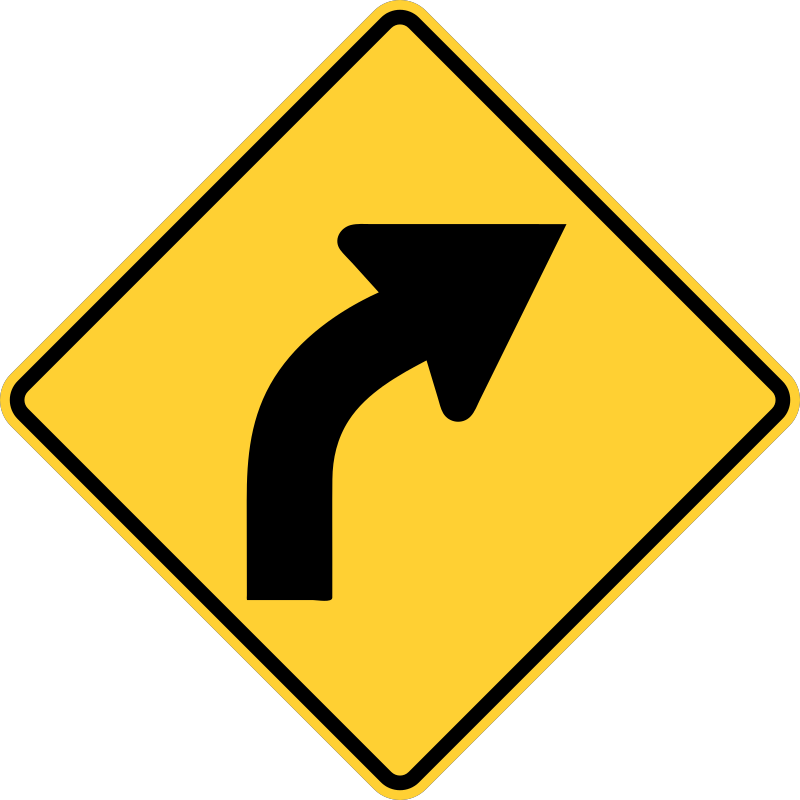 When they see this sign, drivers should:
A
increase their speed and keep well to the right.
B
slow down and keep well to the right.
C
slow down and keep well to the left.
This traffic sign indicates: slow down and keep well to the left. Observing and obeying all roadway signs ensures safe traffic flow and legal driving.
Question 2:
 A flashing yellow light:
A
warns drivers to proceed with caution.
B
is used at dangerous intersections.
C
All of the above.
Safe navigation at intersections requires following all established rules: warns drivers to proceed with caution; is used at dangerous intersections. Always yield right-of-way properly to prevent collisions.
Question 3:
Which of the following does alcohol affect?
A
Alertness.
B
Reaction time.
C
All of the above.
Alcohol and impairing substances degrade all critical driving functions: Alertness; Reaction time. Driving while impaired carries severe criminal and safety penalties.
Question 4:
A driver must yield the right of way:
A
when making a left turn on a red light after a complete stop.
B
to through traffic when approaching a MERGE sign.
C
when more than one driver reaches a four-way stop intersection.
According to standard right-of-way regulations: to through traffic when approaching a MERGE sign. Yielding appropriately prevents intersection collisions and maintains safe traffic flow.
Question 5:
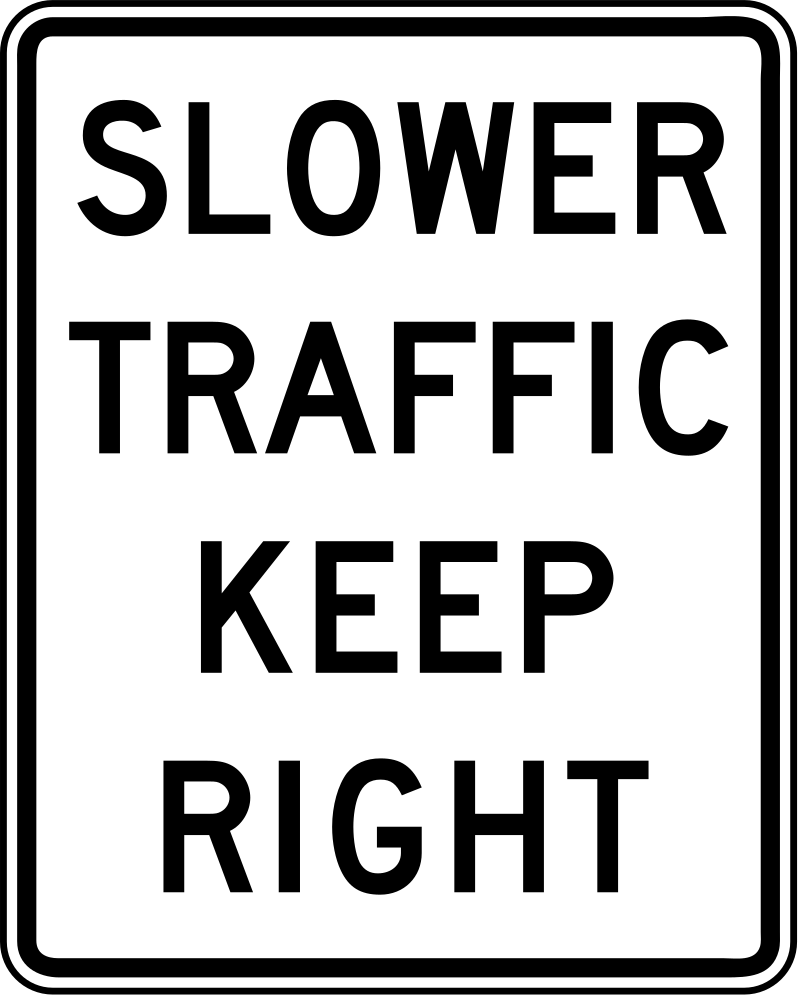 This road sign is:
A
a speed reduction sign.
B
a warning sign.
C
a regulatory sign.
This traffic sign indicates: a regulatory sign. Observing and obeying all roadway signs ensures safe traffic flow and legal driving.
Question 6:
What should you do if you are in an intersection waiting to make a left turn, and the traffic signal light turns red?
A
Wait in the intersection until the light turns green.
B
Yield to oncoming traffic and complete the turn.
C
Make sure the intersection is clear, then back up from the intersection.
A triangular Yield sign requires drivers to slow down and give right-of-way to other traffic: yield to oncoming traffic and complete the turn. Proceed only when there is a safe opening.
Question 7:
When approaching a highway-rail intersection, the first sign drivers see is usually:
A
an RXR round sign on a yellow background.
B
a stop sign.
C
a yield sign.
According to standard right-of-way regulations: an RXR round sign on a yellow background. Yielding appropriately prevents intersection collisions and maintains safe traffic flow.
Question 8:
You've had a few drinks at a party. You should:
A
Take a cold shower before driving.
B
Drink coffee before driving.
C
Ride home with a friend who has not been drinking.
The correct driving rule is: Ride home with a friend who has not been drinking. Following standard DMV road rules and practicing defensive driving ensures safety for all road users.
Question 9:
The road surface of a bridge may be dangerous in winter because it may remain icy after the rest of the roadway is clear.
A
False
B
True
The correct driving rule is: True. Following standard DMV road rules and practicing defensive driving ensures safety for all road users.
Question 10:
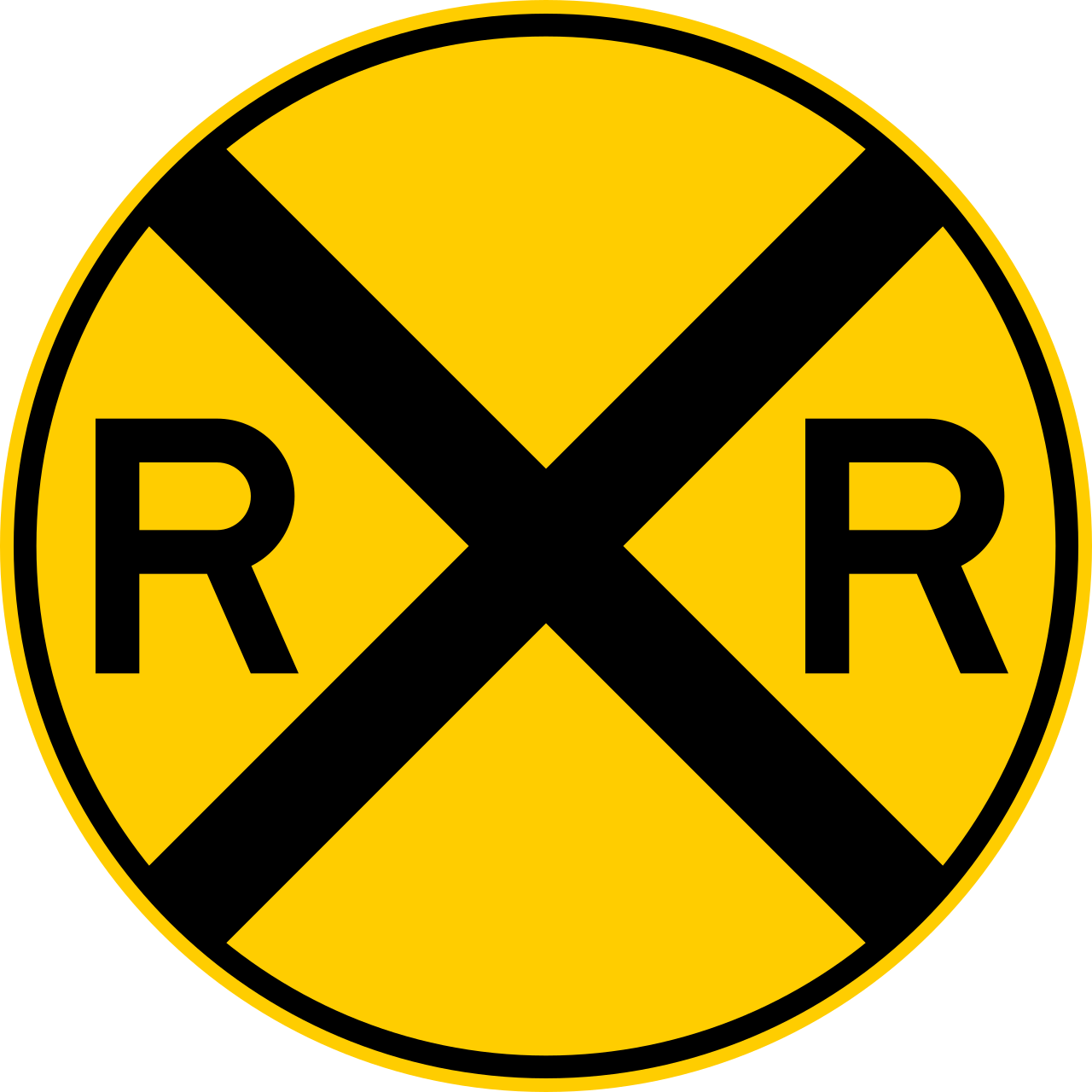 This sign is a warning that you are approaching:
A
a railroad crossing.
B
a crosswalk.
C
a dead-end street.
Circular signs with an 'X' and 'RR' designate a Railroad Advance Warning: a railroad crossing. Drivers must slow down, look both ways, listen for trains, and be prepared to stop.
Question 11:
 This road sign means:
A
No parking
B
Yield
C
No left turn
D
Divided highway
This traffic sign indicates: No parking. Observing and obeying all roadway signs ensures safe traffic flow and legal driving.
Question 12:
When you make a left turn from a one-way road into a two-way road, you must:
A
enter the two-way road to the left of its center line.
B
make a U-turn into the two-way road.
C
enter the two-way road to the right of its center line.
The correct driving rule is: enter the two-way road to the right of its center line. Following standard DMV road rules and practicing defensive driving ensures safety for all road users.
Question 13:
This sign is used to warn drivers about:
A
road construction.
B
changes in traffic lanes.
C
curves ahead.
D
drowsy driving.
This traffic sign indicates: curves ahead. Observing and obeying all roadway signs ensures safe traffic flow and legal driving.
Question 14:
Parking is not allowed:
A
on the road side of a parked vehicle.
B
in a tunnel.
C
All of the above.
Under standard parking and curb regulations: All of the above. Following parking distance clearances keeps roadways unobstructed and emergency lanes accessible.
Question 15:
Your driver’s license may be revoked for:
A
Failure to appear for any traffic citation.
B
Driving away from the police when directed to stop.
C
Failure to pay child support.
The correct driving rule is: Driving away from the police when directed to stop. Following standard DMV road rules and practicing defensive driving ensures safety for all road users.
Question 16:
 This road sign means:
A
Divided highway ahead
B
Merging traffic
C
Flagger ahead
This traffic sign indicates: Divided highway ahead. Observing and obeying all roadway signs ensures safe traffic flow and legal driving.
Question 17:
Drivers who become stranded in blizzard conditions should remain in their vehicles.
A
False
B
True
The correct driving rule is: True. Following standard DMV road rules and practicing defensive driving ensures safety for all road users.
Question 18:
If driving in fog, drivers should turn on their high-beam headlights to increase the field of vision.
A
False
B
True
For safe speed and stopping control: False. Adjusting speed to match visibility and road traction prevents loss of steering grip.
Question 19:
When driving at night with no other vehicles ahead, a driver should use:
A
high beam lights.
B
low-beam lights.
C
parking lights.
The correct driving rule is: high beam lights. Following standard DMV road rules and practicing defensive driving ensures safety for all road users.
Question 20:
You must drive on the right half of the roadway except on a roadway divided into three marked lanes for traffic.
A
True
B
False
The correct driving rule is: True. Following standard DMV road rules and practicing defensive driving ensures safety for all road users.
Question 21:
Drivers must give the right or left turn signal when changing lanes.
A
False
B
True
State laws require signaling your intention: True. Signal at least 100 feet before making a turn or changing lanes.
Question 22:
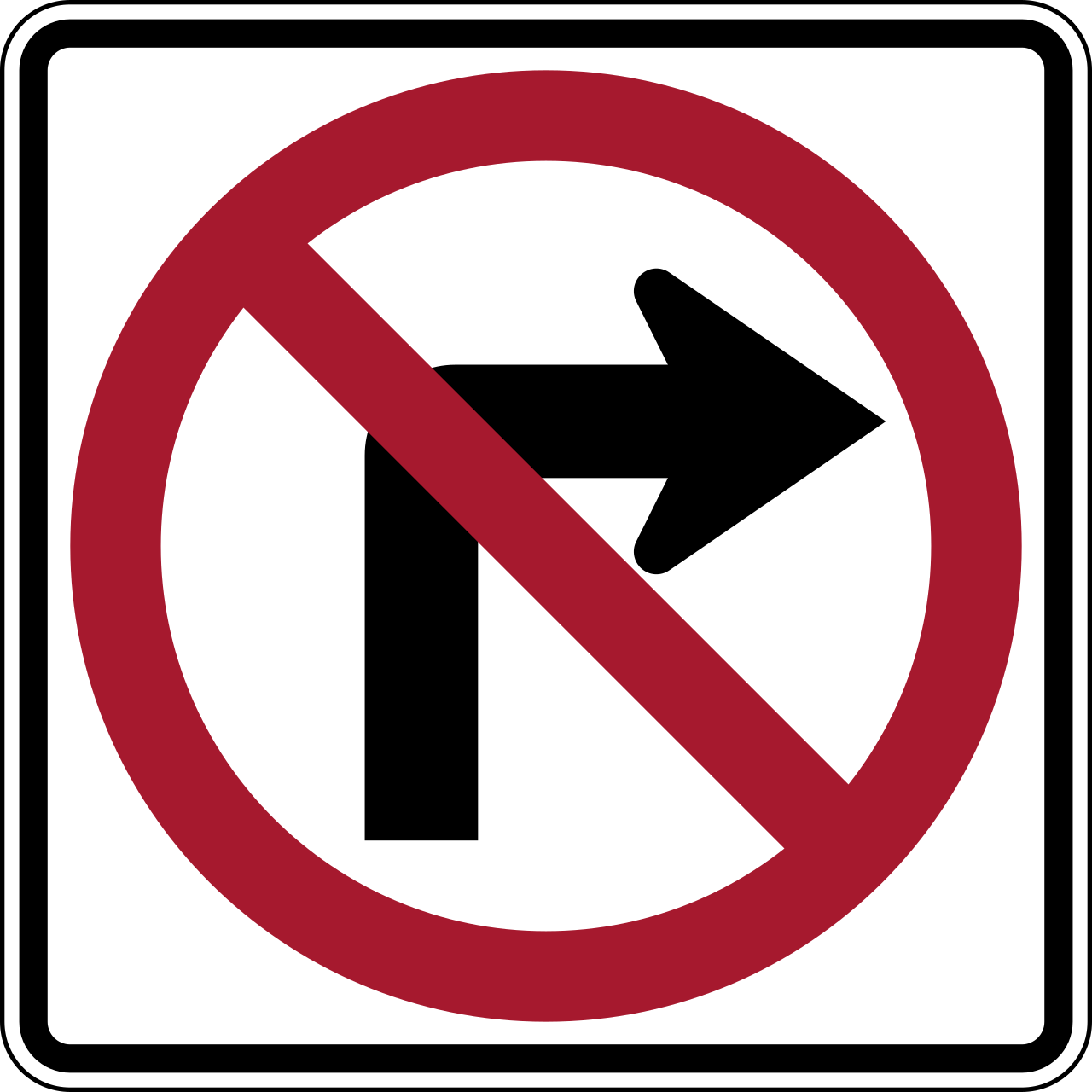 This road sign means:
A
No left turn
B
No right turn
C
No U-turns
This traffic sign indicates: No right turn. Observing and obeying all roadway signs ensures safe traffic flow and legal driving.
Question 23:
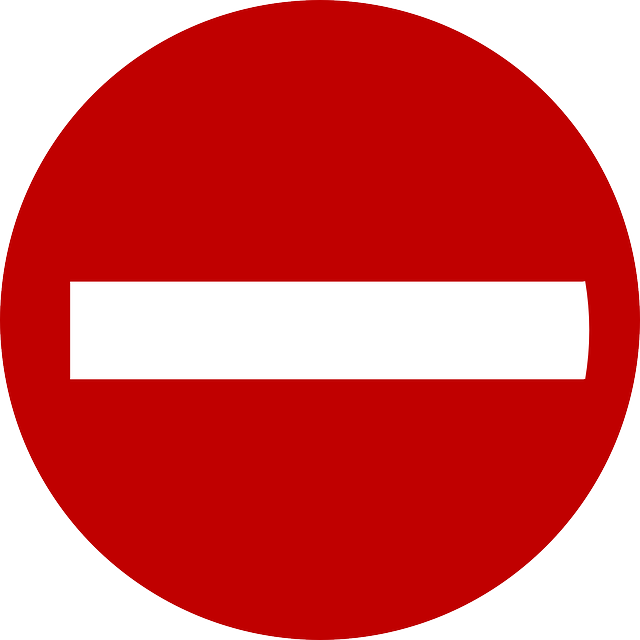 This road sign means:
A
No left turn
B
Lane ends
C
Do not enter
This traffic sign indicates: Do not enter. Observing and obeying all roadway signs ensures safe traffic flow and legal driving.
Question 24:
Before a school bus stops to load passengers, the driver will usually flash:
A
yellow warning lights.
B
red warning lights.
C
red lights.
When a school bus displays flashing red lights and extended stop sign: yellow warning lights. Traffic in both directions must come to a full stop on undivided roads until children are clear.
Question 25:
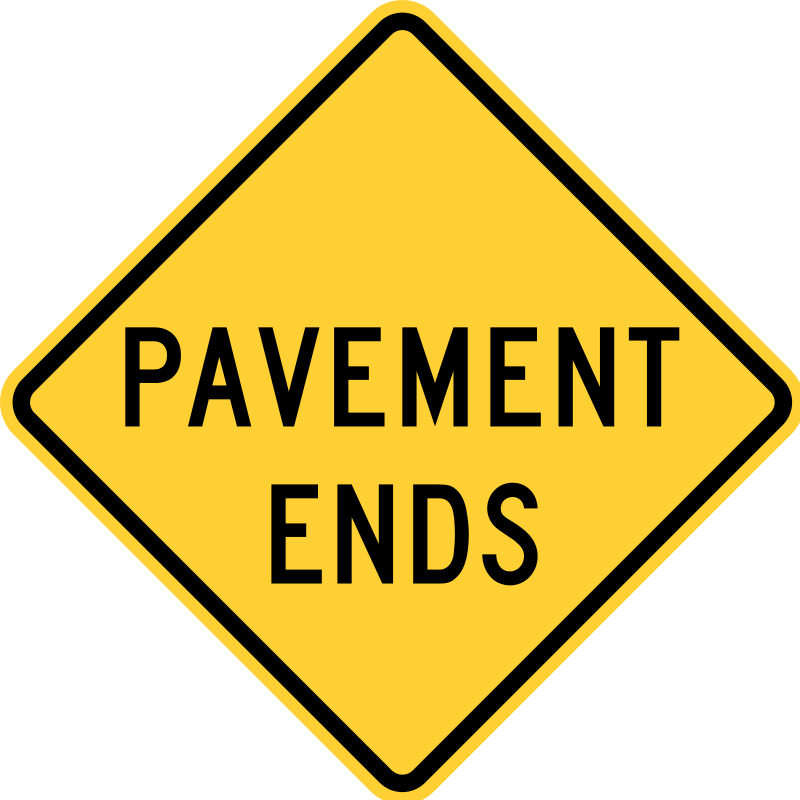 This road sign warns drivers that:
A
the road surface ahead changes to a low-type surface or earth road.
B
vehicles must leave the pavement immediately.
C
the dirt on the side of the road is soft.
This traffic sign indicates: the road surface ahead changes to a low-type surface or earth road. Observing and obeying all roadway signs ensures safe traffic flow and legal driving.
Question 26:
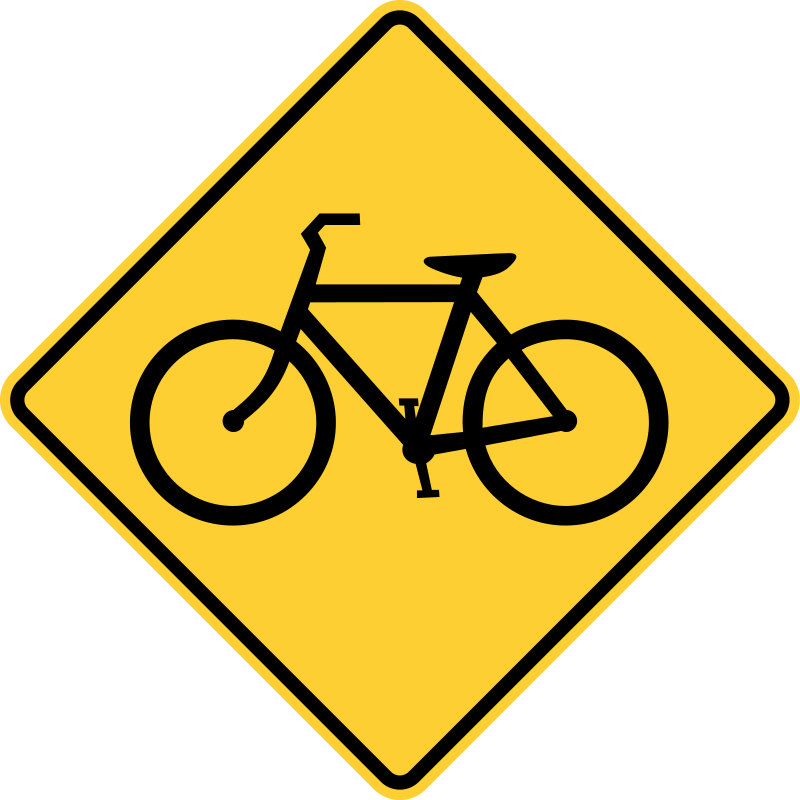 This road sign means:
A
Watch for bicycles
B
Bicycle parking ahead
C
Bicycles are not allowed in this area
This traffic sign indicates: watch for bicycles. Observing and obeying all roadway signs ensures safe traffic flow and legal driving.
Question 27:
 What does this road sign indicate?
A
Hospital service
B
Area reserved for people with disabilities
C
Interstate highway
This traffic sign indicates: Hospital service. Observing and obeying all roadway signs ensures safe traffic flow and legal driving.
Question 28:
When a hazard is seen ahead, reaction distance:
A
is the sum of perception distance and braking distance.
B
equals total stopping distance minus perception distance.
C
is how far a vehicle will continue to travel, in ideal conditions, before the driver hits the brakes.
For safe speed and stopping control: is how far a vehicle will continue to travel, in ideal conditions, before the driver hits the brakes. Adjusting speed to match visibility and road traction prevents loss of steering grip.
Question 29:
When experiencing a tire blowout, the driver should apply the brakes quickly and pull off the roadway to check the tire.
A
False
B
True
The correct driving rule is: False. Following standard DMV road rules and practicing defensive driving ensures safety for all road users.
Question 30:
If you suddenly have no control of the steering wheel, you should:
A
react as you would with a blowout.
B
ease your foot off the gas pedal. Turn on your emergency flashers and allow your vehicle to come to a slow stop.
C
turn on your emergency flashers and pull off the road.
The correct driving rule is: react as you would with a blowout. Following standard DMV road rules and practicing defensive driving ensures safety for all road users.
Question 31:
What should you do if your brakes fail?
A
Hook your shoe under the pedal and see if you can free it.
B
Turn on your cruise control.
C
Try pumping the brake pedal to increase pressure.
The correct driving rule is: Try pumping the brake pedal to increase pressure. Following standard DMV road rules and practicing defensive driving ensures safety for all road users.
Question 32:
 From the center lane, drivers can:
A
make left turns.
B
make U-turns.
C
All of the above.
The correct driving rule is: make left turns. Following standard DMV road rules and practicing defensive driving ensures safety for all road users.
Question 33:
It is illegal for any person under age 21 to operate e vehicle with any trace of alcohol or drugs in their system.
A
False
B
True
Under state DUI and traffic safety laws: True. Alcohol degrades judgment, slows reaction times, and distorts depth perception.
Question 34:
The driver`s left hand and arm are extended upward. This means that the driver plans to:
A
Come to a stop.
B
Turn right.
C
Turn left.
The correct driving rule is: turn right. Following standard DMV road rules and practicing defensive driving ensures safety for all road users.
Question 35:
 It's 10 AM. This sign tells you that:
A
you are allowed to park until 5:30 PM.
B
you must display a special permit in order to park here.
C
you are not allowed to park here.
This traffic sign indicates: you are not allowed to park here. Observing and obeying all roadway signs ensures safe traffic flow and legal driving.