Question 1:
 What does this sign indicate?
A
Parallel railroad crossing (side road)
B
Low ground clearance railroad crossing
C
Parallel railroad crossing (crossroad)
Circular signs with an 'X' and 'RR' designate a Railroad Advance Warning: Parallel railroad crossing (side road). Drivers must slow down, look both ways, listen for trains, and be prepared to stop.
Question 2:
You are stopped at a stop sign and you are going to go straight through the intersection. A car on the cross road has stopped at a stop sign on your right and is going to go straight. Who has the right-of-way?
A
Whoever enters the intersection first.
B
You.
C
The car on your right.
According to standard right-of-way regulations: The car on your right. Yielding appropriately prevents intersection collisions and maintains safe traffic flow.
Question 3:
What is the purpose of minimum speed limits?
A
To keep a smooth traffic flow.
B
To halt the traffic flow.
C
To allow emergency vehicles with red flashing lights to safely pass other vehicles.
For safe speed and stopping control: To keep a smooth traffic flow. Adjusting speed to match visibility and road traction prevents loss of steering grip.
Question 4:
If the entrance lane is too short to allow acceleration to expressway speed, you should:
A
stop and wait for a large space in traffic.
B
enter the expressway and accelerate quickly.
C
reduce your speed to 15 MPH or less and blend with traffic.
For safe speed and stopping control: stop and wait for a large space in traffic. Adjusting speed to match visibility and road traction prevents loss of steering grip.
Question 5:
When an aggressive driver confronts you, you should:
A
Try to move away safely.
B
Remain calm and relaxed.
C
All of the above.
All of the listed points are essential driving requirements: Try to move away safely; Remain calm and relaxed. Practicing each ensures compliance with DMV safety laws.
Question 6:
To reduce their chances of colliding with an animal, drivers should:
A
scan the sides of the road to watch for the reflection of vehicle headlights in the eyes of animals.
B
look well down the road and far off to each side.
C
All of the above.
All of the listed points are essential driving requirements: scan the sides of the road to watch for the reflection of vehicle headlights in the eyes of animals; look well down the road and far off to each side. Practicing each ensures compliance with DMV safety laws.
Question 7:
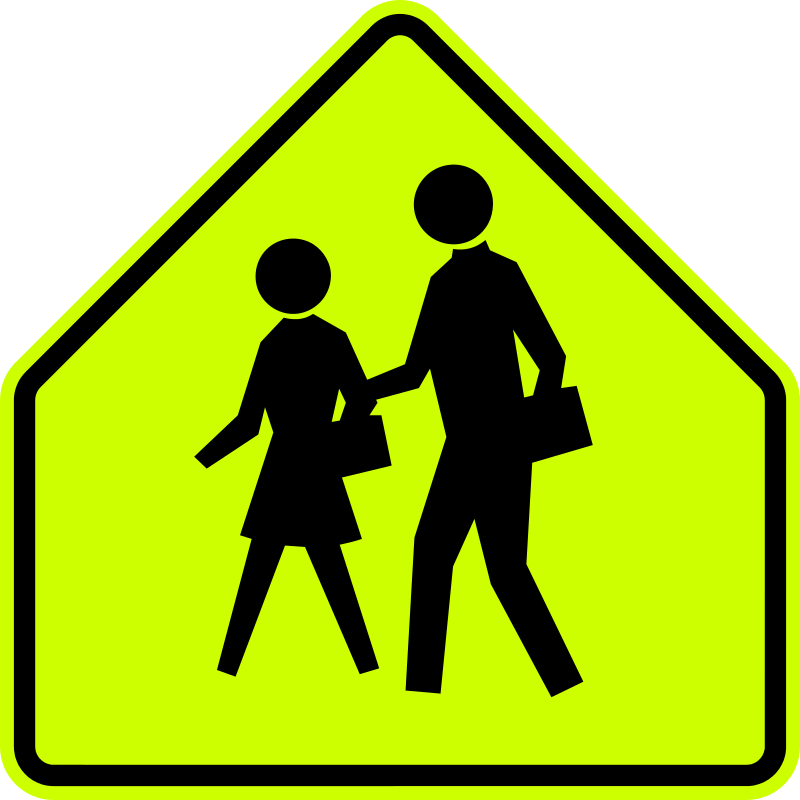 This sign means:
A
Business area nearby. Watch for business people.
B
There is a work zone ahead. Watch for workers.
C
The driver is near a school and should watch for children.
Pentagonal (5-sided) signs are exclusively reserved for school zones and school crossings: The driver is near a school and should watch for children. Drivers must reduce speed and yield right-of-way to all crossing children.
Question 8:
 This sign indicates:
A
a side road.
B
a cross road.
C
a church zone ahead.
This traffic sign indicates: a cross road. Observing and obeying all roadway signs ensures safe traffic flow and legal driving.
Question 9:
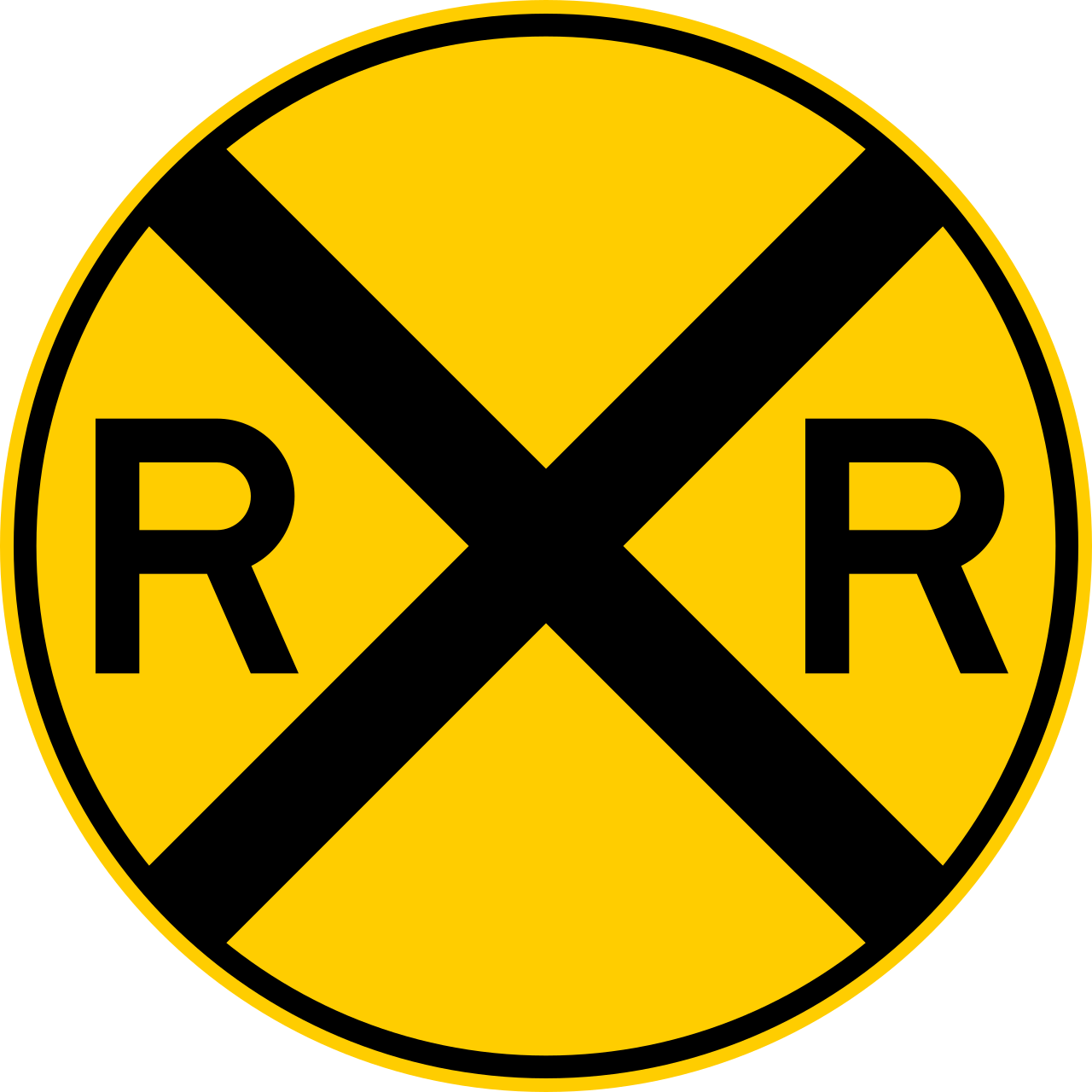 This road sign means:
A
Railroad Crossing
B
One Way
C
Limited parking
Circular signs with an 'X' and 'RR' designate a Railroad Advance Warning: Railroad Crossing. Drivers must slow down, look both ways, listen for trains, and be prepared to stop.
Question 10:
 This road sign means:
A
Right lane ends
B
Highway entrance ramp ahead
C
Left lane widens
This traffic sign indicates: Right lane ends. Observing and obeying all roadway signs ensures safe traffic flow and legal driving.
Question 11:
What should you do if your vision through the windshield becomes blocked?
A
Pull your vehicle off the road and park it.
B
Turn on your emergency lights.
C
Open the side window so you can see.
D
All of the above.
All of the listed points are essential driving requirements: Pull your vehicle off the road and park it; Turn on your emergency lights; Open the side window so you can see. Practicing each ensures compliance with DMV safety laws.
Question 12:
The traffic light is green and you want to drive straight through an intersection. If a car is already in the intersection and is making a turn, you must:
A
enter the intersection and then stop.
B
drive through the intersection. You have the right-of-way.
C
let that car complete its turn before you enter the intersection.
According to standard right-of-way regulations: let that car complete its turn before you enter the intersection. Yielding appropriately prevents intersection collisions and maintains safe traffic flow.
Question 13:
 This road sign means:
A
Truck stop ahead
B
No trucks allowed
C
Hill or downgrade up ahead
This traffic sign indicates: Hill or downgrade up ahead. Observing and obeying all roadway signs ensures safe traffic flow and legal driving.
Question 14:
An Instructional Permit allows you to:
A
operate a motor vehicle when supervised by another driver over age of 21.
B
operate a motor vehicle without supervision.
C
sit in the front seat when another driver operates a motor vehicle.
The correct driving rule is: operate a motor vehicle when supervised by another driver over age of 21. Following standard DMV road rules and practicing defensive driving ensures safety for all road users.
Question 15:
ABS is the acronym for:
A
Anti-Braking System
B
Average-Beam System
C
Anti-Locking Brake System
The correct driving rule is: Anti-Locking Brake System. Following standard DMV road rules and practicing defensive driving ensures safety for all road users.
Question 16:
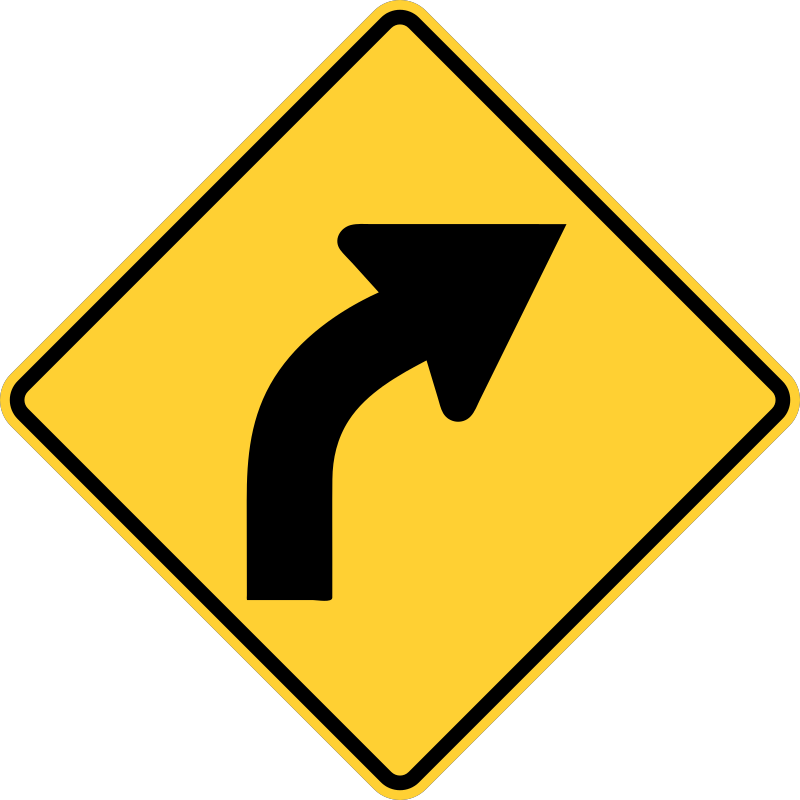 This sign means:
A
The road will curve to the right.
B
Left turns are not allowed at the intersection.
C
Do not turn right.
This traffic sign indicates: The road will curve to the right. Observing and obeying all roadway signs ensures safe traffic flow and legal driving.
Question 17:
 The picture shows a _________ sign.
A
no U-turn
B
no left turn
C
sharp turn
The correct driving rule is: no U-turn. Following standard DMV road rules and practicing defensive driving ensures safety for all road users.
Question 18:
When taking medication while driving, you should:
A
follow other vehicles closely.
B
consult your physicians and/or pharmacist regarding any prescription medication and its possible effects on driving.
C
drive 20 MPH below the posted speed limit.
Under state DUI and traffic safety laws: consult your physicians and/or pharmacist regarding any prescription medication and its possible effects on driving. Alcohol degrades judgment, slows reaction times, and distorts depth perception.
Question 19:
When you make a left turn from a one-way road into a one-way road, if the road you enter has two lanes, you:
A
must turn into its right lane.
B
can not turn left.
C
must turn into its left lane.
The correct driving rule is: must turn into its left lane. Following standard DMV road rules and practicing defensive driving ensures safety for all road users.
Question 20:
When changing lanes:
A
slow down and check your left mirror.
B
look over your shoulder to make sure no one is in the blind spot.
C
change lane before checking the inside rearview mirror.
The correct driving rule is: look over your shoulder to make sure no one is in the blind spot. Following standard DMV road rules and practicing defensive driving ensures safety for all road users.
Question 21:
 This road sign means:
A
Two way Traffic
B
Traffic must move only in the direction of the arrow
C
Minimum Speed
This traffic sign indicates: traffic must move only in the direction of the arrow. Observing and obeying all roadway signs ensures safe traffic flow and legal driving.
Question 22:
A traffic sign with a red circle around and a slash over a symbol means:
A
the maneuver shown by the symbol is not allowed.
B
Do not drive faster than the posted speed limit.
C
the maneuver shown on the sign should be executed with extreme caution.
This traffic sign indicates: the maneuver shown by the symbol is not allowed. Observing and obeying all roadway signs ensures safe traffic flow and legal driving.
Question 23:
Yellow traffic signs:
A
guide drivers.
B
when combined with an octagonal shape, tell drivers they must come to a complete stop at the marked stop line.
C
warn drivers.
The correct driving rule is: warn drivers. Following standard DMV road rules and practicing defensive driving ensures safety for all road users.
Question 24:
If you drive slower than the flow of traffic, you will most likely:
A
improve traffic flow.
B
help create a safe driving environment.
C
interfere with traffic and receive a ticket.
The correct driving rule is: interfere with traffic and receive a ticket. Following standard DMV road rules and practicing defensive driving ensures safety for all road users.
Question 25:
A thumping sound can be a warning:
A
that a tire blowout is about to occur.
B
of a steering failure.
C
of a brake failure.
The correct driving rule is: that a tire blowout is about to occur. Following standard DMV road rules and practicing defensive driving ensures safety for all road users.