Question 1:
The ‘Slower Traffic Keep Right’ sign is used:
A
at most intersections.
B
on multiple lane highways.
C
in school zones.
The correct driving rule is: on multiple lane highways. Following standard DMV road rules and practicing defensive driving ensures safety for all road users.
Question 2:
 What does this road sign indicate?
A
Hospital service
B
Area reserved for people with disabilities
C
Interstate highway
This traffic sign indicates: Hospital service. Observing and obeying all roadway signs ensures safe traffic flow and legal driving.
Question 3:
Are drivers allowed to exceed the speed limit to pass other vehicles?
A
Yes, but only by 10 MPH or less.
B
No.
C
Yes, but only if they drive with caution.
For safe speed and stopping control: No. Adjusting speed to match visibility and road traction prevents loss of steering grip.
Question 4:
When driving in travel lanes on the roadway:
A
you may make a U-turn if you get on the wrong entrance ramp of the freeway.
B
you may stop to let out passengers.
C
do not stop for any reason, keep moving until you can safely pull off the road.
D
you may make back up quickly if there are no vehicles behind.
The correct driving rule is: do not stop for any reason, keep moving until you can safely pull off the road. Following standard DMV road rules and practicing defensive driving ensures safety for all road users.
Question 5:
What should you do if your brakes fail?
A
Hook your shoe under the pedal and see if you can free it.
B
Turn on your cruise control.
C
Try pumping the brake pedal to increase pressure.
The correct driving rule is: Try pumping the brake pedal to increase pressure. Following standard DMV road rules and practicing defensive driving ensures safety for all road users.
Question 6:
 The picture shows a _________ sign.
A
no U-turn
B
no left turn
C
sharp turn
The correct driving rule is: no U-turn. Following standard DMV road rules and practicing defensive driving ensures safety for all road users.
Question 7:
When driving in icy or snowy conditions, to avoid crashes drivers should:
A
get off the highway as quickly as possible.
B
reduce speed and increase following distance.
C
add extra weight to the vehicle to improve traction.
D
engage 4 wheel drive on the vehicle.
The correct driving rule is: reduce speed and increase following distance. Following standard DMV road rules and practicing defensive driving ensures safety for all road users.
Question 8:
What should you do if one of your tires blows out?
A
Hold the steering wheel tight and brake immediately to avoid the risk of skidding.
B
Leave the road immediately.
C
Hold the steering wheel tight and slowly take your foot off the gas pedal.
The correct driving rule is: Hold the steering wheel tight and slowly take your foot off the gas pedal. Following standard DMV road rules and practicing defensive driving ensures safety for all road users.
Question 9:
If the entrance lane is too short to allow acceleration to expressway speed, you should:
A
stop and wait for a large space in traffic.
B
enter the expressway and accelerate quickly.
C
reduce your speed to 15 MPH or less and blend with traffic.
For safe speed and stopping control: stop and wait for a large space in traffic. Adjusting speed to match visibility and road traction prevents loss of steering grip.
Question 10:
When a hazard is seen ahead, reaction distance:
A
is the sum of perception distance and braking distance.
B
equals total stopping distance minus perception distance.
C
is how far a vehicle will continue to travel, in ideal conditions, before the driver hits the brakes.
For safe speed and stopping control: is how far a vehicle will continue to travel, in ideal conditions, before the driver hits the brakes. Adjusting speed to match visibility and road traction prevents loss of steering grip.
Question 11:
 This sign warns that:
A
traffic must merge left.
B
the bridge ahead is wide enough for only one vehicle at a time.
C
traffic must merge right.
This traffic sign indicates: traffic must merge left. Observing and obeying all roadway signs ensures safe traffic flow and legal driving.
Question 12:
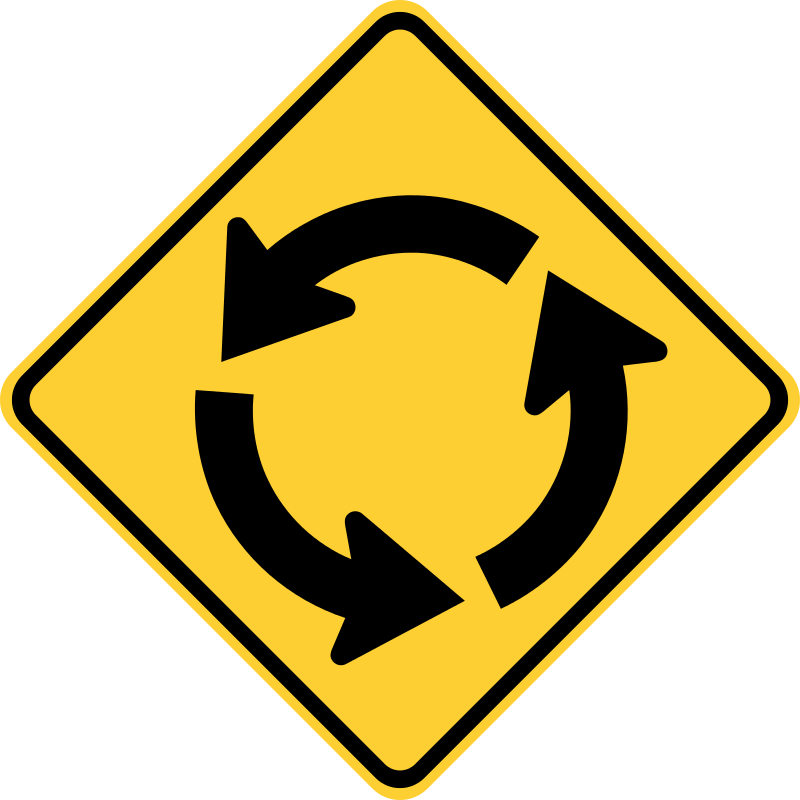 This road sign:
A
warns drivers of a sharp turn left. Drivers should slow their speed and keep to the left.
B
provides an advance notice of a roundabout.
C
warns drivers that U-turns are not permitted.
D
is a no-right-turns sign.
This traffic sign indicates: provides an advance notice of a roundabout. Observing and obeying all roadway signs ensures safe traffic flow and legal driving.
Question 13:
Your brake lights tell other drivers that you:
A
are changing lanes.
B
are slowing down or stopping.
C
are making a turn.
D
have your emergency brake on.
The correct driving rule is: are slowing down or stopping. Following standard DMV road rules and practicing defensive driving ensures safety for all road users.
Question 14:
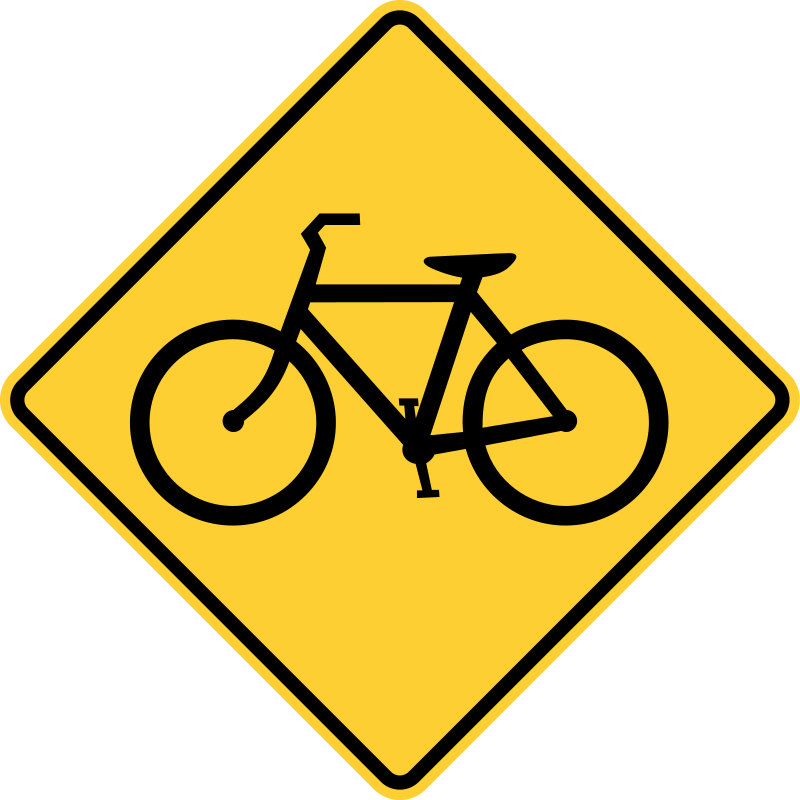 This sign means:
A
Bicycles should yield to vehicles ahead.
B
Warning: a bikeway crosses the roadway ahead.
C
The lane ahead is reserved for bicycles.
This traffic sign indicates: Warning: a bikeway crosses the roadway ahead. Observing and obeying all roadway signs ensures safe traffic flow and legal driving.
Question 15:
Which of the following is a defensive driving skill/technique?
A
Maintain the correct speed.
B
Do not drive if you are very weary.
C
All of the above.
All of the listed points are essential driving requirements: Maintain the correct speed; Do not drive if you are very weary. Practicing each ensures compliance with DMV safety laws.
Question 16:
This sign means:
A
divided highway ahead.
B
narrow bridge ahead.
C
road construction.
D
lane ends, merge left.
This traffic sign indicates: lane ends, merge left. Observing and obeying all roadway signs ensures safe traffic flow and legal driving.
Question 17:
Your first response to reduced visibility should be:
A
to look for road edge markings to guide you.
B
to turn on your windshield wipers.
C
to reduce your speed.
D
to turn on your headlights.
The correct driving rule is: to reduce your speed. Following standard DMV road rules and practicing defensive driving ensures safety for all road users.
Question 18:
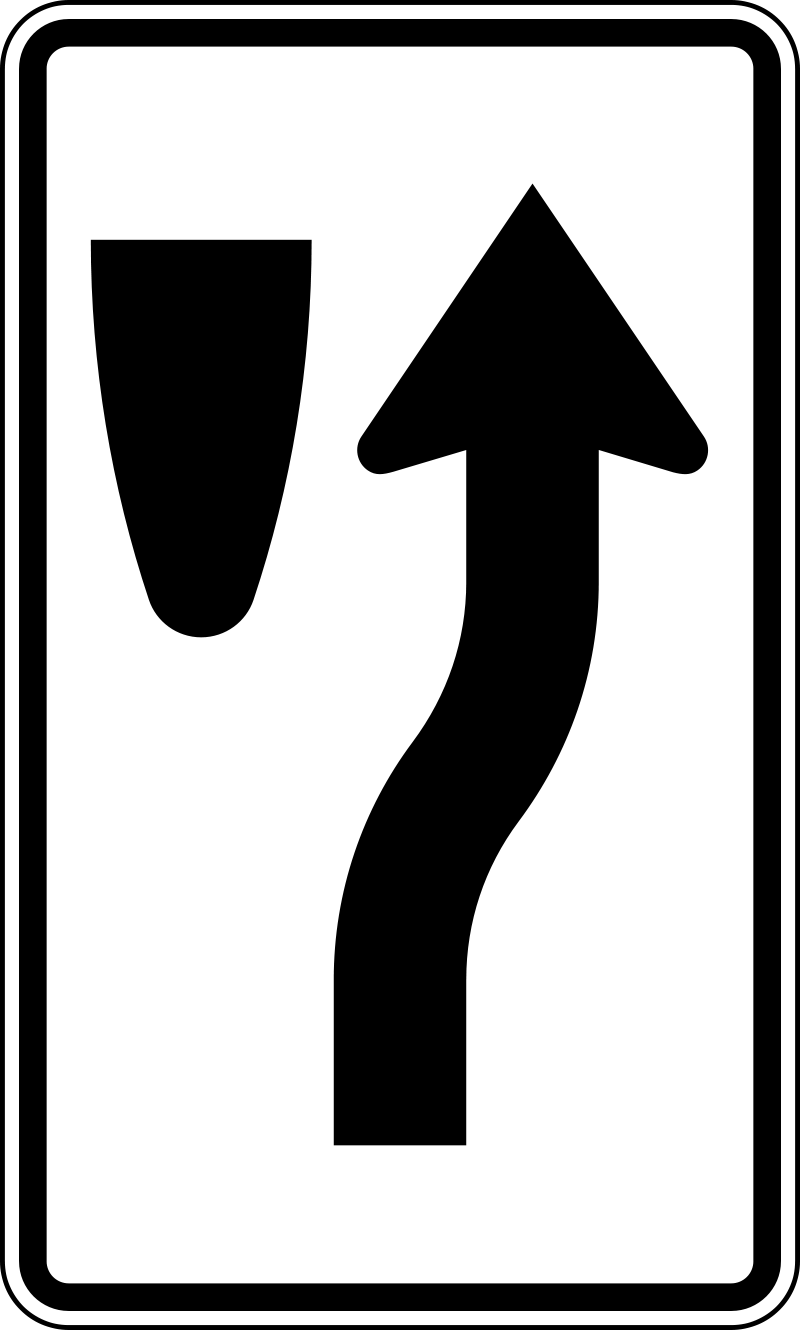 This sign tells drivers that:
A
there is a right turn ahead.
B
they must stay on the right side of the divider
C
a divided highway ends ahead.
This traffic sign indicates: they must stay on the right side of the divider. Observing and obeying all roadway signs ensures safe traffic flow and legal driving.
Question 19:
A flashing red light means:
A
The same as a STOP sign.
B
The light will soon change to steady red.
C
Drive with caution.
When an emergency vehicle approaches with flashing lights or sirens, you must safely pull over to the right curb and stop completely until it passes.
Question 20:
Drivers should allow a larger space cushion when stopping:
A
at a stop sign.
B
on an up-hill.
C
at an intersection.
D
at a yield sign.
The correct driving rule is: on an up-hill. Following standard DMV road rules and practicing defensive driving ensures safety for all road users.
Question 21:
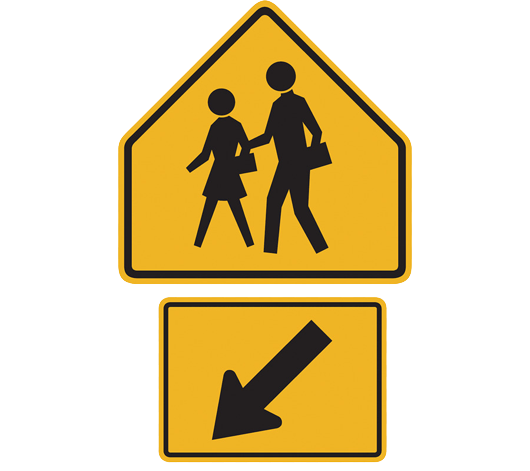 When you approach this sign, you must:
A
stop if necessary.
B
watch for workers crossing the road.
C
None of the above.
This traffic sign indicates: stop if necessary. Observing and obeying all roadway signs ensures safe traffic flow and legal driving.
Question 22:
 When drivers see this road sign:
A
they must come to a complete stop and call the police.
B
they must not drive past this sign.
C
they must turn around immediately.
This traffic sign indicates: they must turn around immediately. Observing and obeying all roadway signs ensures safe traffic flow and legal driving.
Question 23:
On slippery roads, drivers should:
A
leave more space in front of their vehicle.
B
increase their speed to avoid hydroplaning.
C
come to a complete stop.
For safe speed and stopping control: leave more space in front of their vehicle. Adjusting speed to match visibility and road traction prevents loss of steering grip.
Question 24:
You can pass on the right:
A
when a vehicle ahead makes a right turn.
B
when a vehicle ahead makes a left turn.
C
when a vehicle that is approaching from the opposite direction is prepared to turn left.
The correct driving rule is: when a vehicle ahead makes a left turn. Following standard DMV road rules and practicing defensive driving ensures safety for all road users.
Question 25:
What is the main reason night driving is more difficult than daytime driving?
A
The use of headlight is required by law.
B
Reduced visibility.
C
Driving within the range.
The correct driving rule is: Reduced visibility. Following standard DMV road rules and practicing defensive driving ensures safety for all road users.
Question 26:
Your BAC depends on:
A
how fit you are.
B
the type of beverage you drink.
C
the amount of alcohol you drink.
Under state DUI and traffic safety laws: the amount of alcohol you drink. Alcohol degrades judgment, slows reaction times, and distorts depth perception.
Question 27:
How can you prevent fatigue on a long trip?
A
Plan to drive long trips with a companion.
B
Get enough sleep.
C
All of the above.
Alcohol and impairing substances degrade all critical driving functions: Plan to drive long trips with a companion; Get enough sleep. Driving while impaired carries severe criminal and safety penalties.
Question 28:
 This road sign warns drivers that:
A
they are coming to a point where another traffic lane joins the one they are on.
B
a divided highway is ahead.
C
the one-way street or roadway is about to change to two-way traffic.
This traffic sign indicates: the one-way street or roadway is about to change to two-way traffic. Observing and obeying all roadway signs ensures safe traffic flow and legal driving.
Question 29:
A red traffic sign means?
A
Do not enter.
B
Stop.
C
All of the above.
This sign alerts drivers to several mandatory requirements: Do not enter, Stop. Obeying all posted traffic control instructions is required by law.
Question 30:
Drivers may cross solid yellow lines:
A
at any time.
B
only to pass traffic moving in the same direction.
C
when making turns.
D
during daylight hours only.
The correct driving rule is: when making turns. Following standard DMV road rules and practicing defensive driving ensures safety for all road users.
Question 31:
If another vehicle is approaching you head-on in your lane, you should _______, sound your horn and brake.
A
steer right
B
None of the other answers is correct.
C
steer left
D
stay in the center of your lane
The correct driving rule is: steer right. Following standard DMV road rules and practicing defensive driving ensures safety for all road users.
Question 32:
 This sign warns drivers that:
A
the highway ahead is divided into two one-way roadways. Drivers should keep to the right.
B
there is a winding road ahead.
C
there is a double curve ahead.
This traffic sign indicates: there is a double curve ahead. Observing and obeying all roadway signs ensures safe traffic flow and legal driving.
Question 33:
Which sign has white letters on a red background?
A
Stop
B
School zone
C
Yield
The correct driving rule is: stop. Following standard DMV road rules and practicing defensive driving ensures safety for all road users.
Question 34:
When parked facing down hill, your wheels should be turned:
A
toward the curb.
B
in any direction.
C
parallel to the curb.
D
away from the curb.
The correct driving rule is: toward the curb. Following standard DMV road rules and practicing defensive driving ensures safety for all road users.
Question 35:
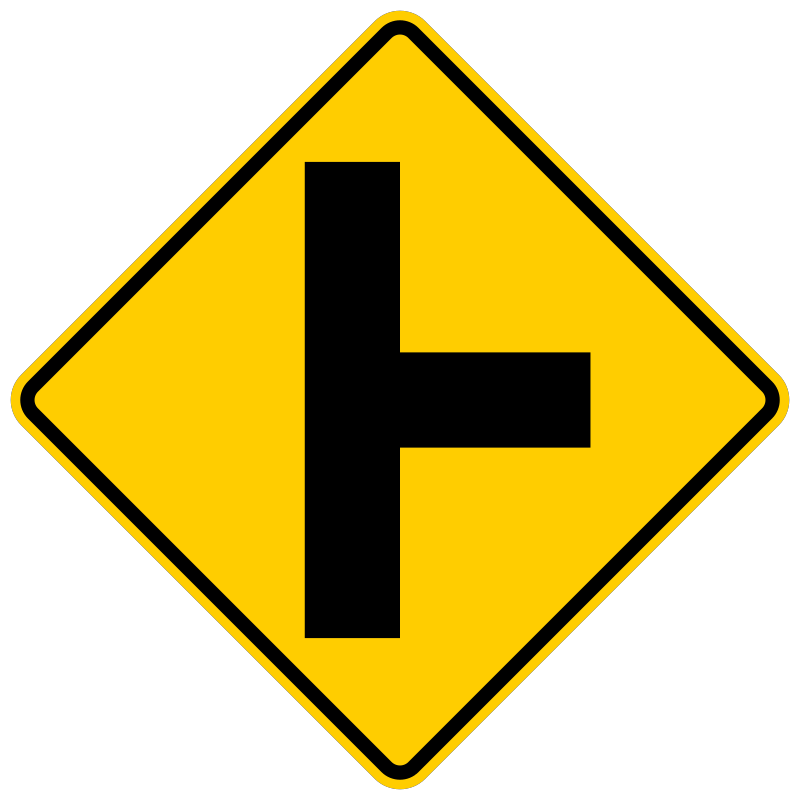 This road sign means:
A
Merge
B
Side Road
C
Merging Traffic
D
All traffic must go straight ahead
This traffic sign indicates: Side Road. Observing and obeying all roadway signs ensures safe traffic flow and legal driving.
Question 36:
Alcohol causes:
A
poor judgment.
B
loss of concentration.
C
reduced perception.
D
All of the above.
Alcohol and impairing substances degrade all critical driving functions: poor judgment; loss of concentration; reduced perception. Driving while impaired carries severe criminal and safety penalties.
Question 37:
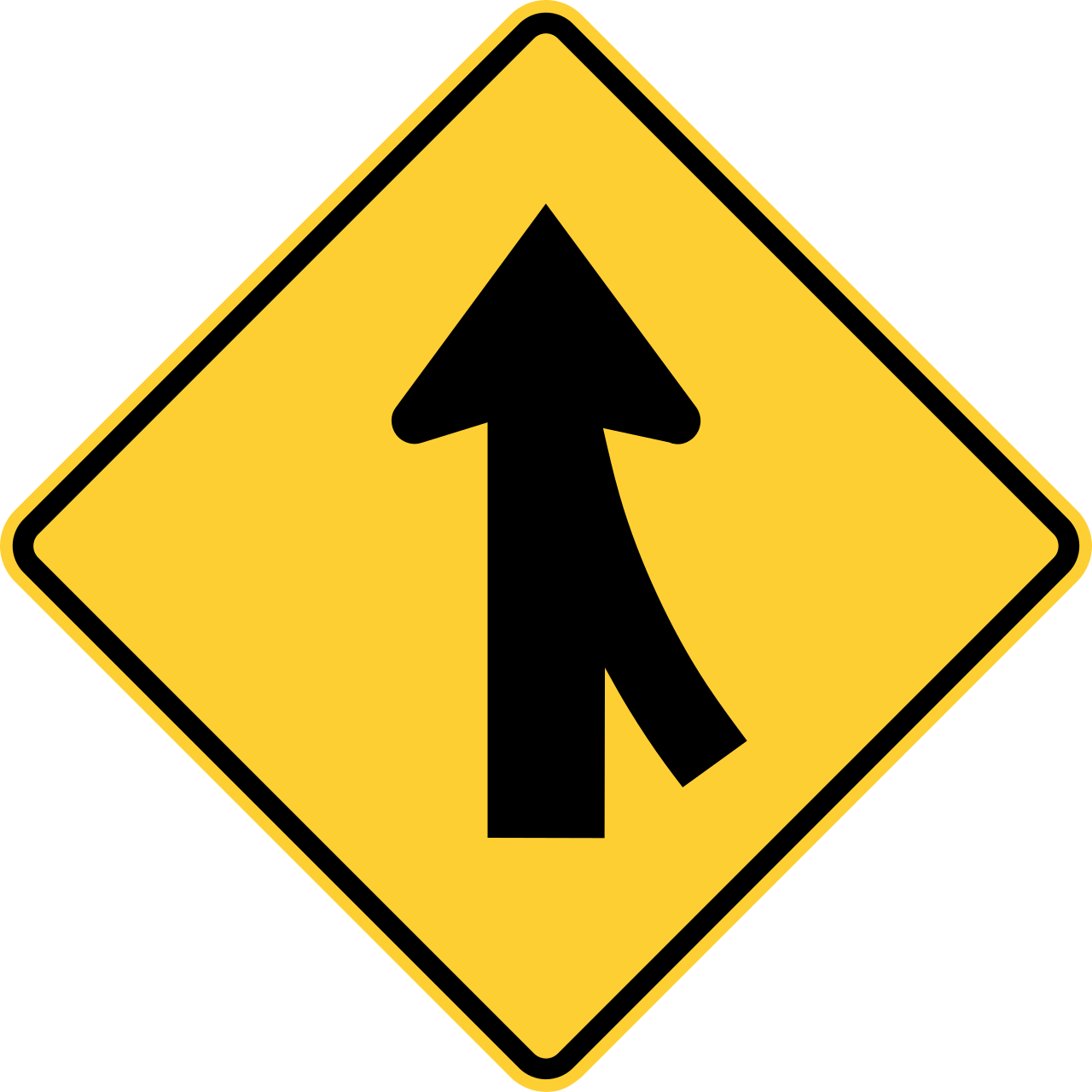 This road sign means:
A
Cars in right lane must slow down
B
Merging traffic ahead
C
Pass only in the right lane
D
No left turn
This traffic sign indicates: Merging traffic ahead. Observing and obeying all roadway signs ensures safe traffic flow and legal driving.
Question 38:
 This sign indicates:
A
Phone service ahead
B
Emergency line available
C
Cell phone shop ahead
This traffic sign indicates: Phone service ahead. Observing and obeying all roadway signs ensures safe traffic flow and legal driving.
Question 39:
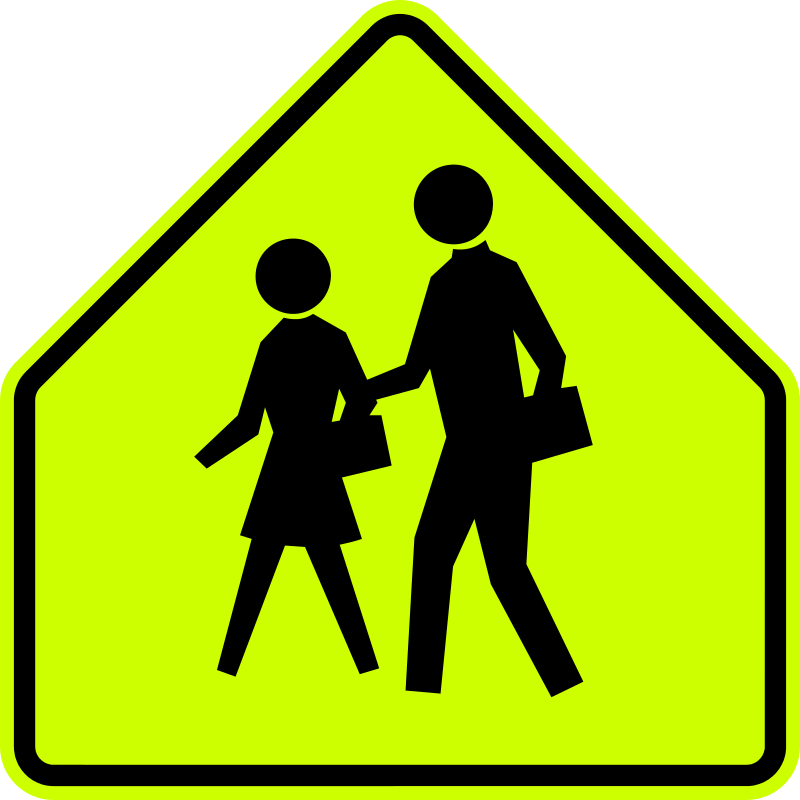 This warning sign means:
A
You are approaching a school
B
Watch out for children crossing the street
C
Slow down, drive with caution and watch for children
D
All of the above.
This sign alerts drivers to several mandatory requirements: You are approaching a school, Watch out for children crossing the street, Slow down, drive with caution and watch for children. Obeying all posted traffic control instructions is required by law.
Question 40:
Vehicle stopping distance never depends on:
A
the condition of your vehicle's brakes.
B
your own reaction time.
C
the time of day.
D
the condition and type of vehicle tires.
For safe speed and stopping control: the time of day. Adjusting speed to match visibility and road traction prevents loss of steering grip.