Question 1:
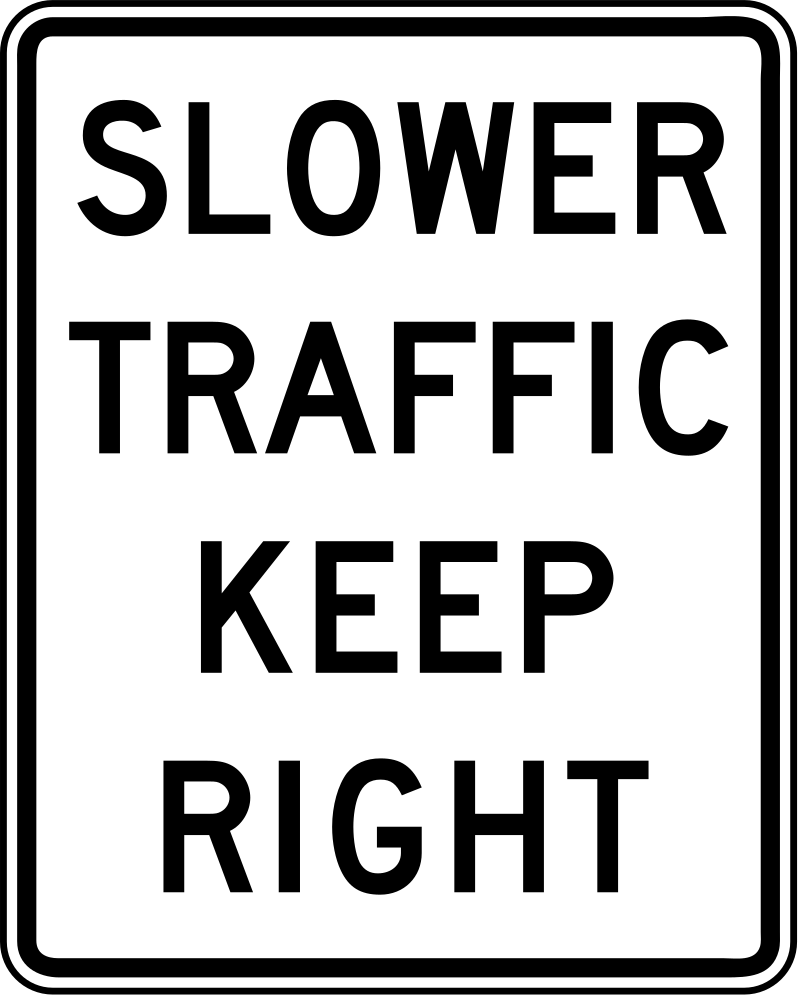 This regulatory road sign indicates that:
A
Vehicles must slow down and stay in the right lane.
B
The right hand lane is reserved for buses and car-pool vehicles.
C
Slower vehicles traveling on multiple lane highways must stay in the right hand lane.
This traffic sign indicates: Slower vehicles traveling on multiple lane highways must stay in the right hand lane. Observing and obeying all roadway signs ensures safe traffic flow and legal driving.
Question 2:
Large trucks:
A
have high-tech air brakes which allow them to stop quickly.
B
take longer to stop than passenger vehicles.
C
are more maneuverable than passenger vehicles.
The correct driving rule is: take longer to stop than passenger vehicles. Following standard DMV road rules and practicing defensive driving ensures safety for all road users.
Question 3:
When being passed by another vehicle, drivers should:
A
slow down.
B
slightly increase their speed.
C
maintain a constant speed.
The correct driving rule is: maintain a constant speed. Following standard DMV road rules and practicing defensive driving ensures safety for all road users.
Question 4:
Which of the following is NOT true about ABS?
A
It improves the vehicle stability.
B
It helps increase your stopping distance.
C
It improves the steering ability.
The correct driving rule is: it helps increase your stopping distance. Following standard DMV road rules and practicing defensive driving ensures safety for all road users.
Question 5:
Vehicles stopped behind a school bus when the red lights are flashing must remain stopped until:
A
the flashing lights turn green.
B
the stop arm is retracted and the bus begins moving.
C
all students are off the bus.
When a school bus displays flashing red lights and extended stop sign: the stop arm is retracted and the bus begins moving. Traffic in both directions must come to a full stop on undivided roads until children are clear.
Question 6:
You ________ traffic headed toward you when you turn left.
A
must not yield to
B
must interrupt
C
must yield to
According to standard right-of-way regulations: must yield to. Yielding appropriately prevents intersection collisions and maintains safe traffic flow.
Question 7:
___________ are green with white letters and symbols.
A
Warning signs
B
Destination signs (guide signs)
C
Regulation signs (regulatory signs)
The correct driving rule is: Destination signs (guide signs). Following standard DMV road rules and practicing defensive driving ensures safety for all road users.
Question 8:
If there is no crosswalk and you see a pedestrian crossing your lane, you should:
A
stop and let the pedestrian finish crossing.
B
make sure the pedestrian can see you before proceeding.
C
honk your horn and proceed with caution.
Drivers must always yield the right-of-way to pedestrians crossing at intersections and crosswalks: stop and let the pedestrian finish crossing. Stop and allow them to clear the lane safely.
Question 9:
When pedestrians are in a crosswalk, drivers should:
A
pull over to the right and stop.
B
go ahead because drivers have the right-of-way.
C
wait for them to cross.
Drivers must always yield the right-of-way to pedestrians crossing at intersections and crosswalks: wait for them to cross. Stop and allow them to clear the lane safely.
Question 10:
If your front wheels start to skid, the first thing you should do is:
A
Take your foot off the gas pedal and shift to neutral.
B
Immediately turn in the direction you want to go.
C
Speed up, pump your brakes and steer in the direction the vehicle is trying to go.
The correct driving rule is: take your foot off the gas pedal and shift to neutral. Following standard DMV road rules and practicing defensive driving ensures safety for all road users.
Question 11:
What is the meaning of orange traffic signs?
A
Yield.
B
Warning of school, pedestrian, and bicycling activity.
C
Construction and maintenance warning.
The correct driving rule is: Construction and maintenance warning. Following standard DMV road rules and practicing defensive driving ensures safety for all road users.
Question 12:
If you see a “lane closed ahead” sign you should:
A
make a U-turn. You are on the wrong side of the road.
B
merge into the correct lane when it is safe.
C
speed to the end of the closed lane and try to get into the other lane.
The correct driving rule is: merge into the correct lane when it is safe. Following standard DMV road rules and practicing defensive driving ensures safety for all road users.
Question 13:
 This sign warns ____________ ahead.
A
of two-way traffic
B
of a reduction of lanes
C
that a divided highway ends
This traffic sign indicates: of two-way traffic. Observing and obeying all roadway signs ensures safe traffic flow and legal driving.
Question 14:
When you pass another vehicle, before you return to the right lane, you must:
A
look at your interior rear-view mirror.
B
signal.
C
All of the above.
All of the listed points are essential driving requirements: look at your interior rear-view mirror; signal. Practicing each ensures compliance with DMV safety laws.
Question 15:
Bicyclists must:
A
ride in a bicycle lane, if available.
B
remain to the right when they prepare for a left turn.
C
remain near the left edge of the road.
The correct driving rule is: ride in a bicycle lane, if available. Following standard DMV road rules and practicing defensive driving ensures safety for all road users.
Question 16:
When driving at night with no other vehicles ahead, a driver should use:
A
high beam lights.
B
low-beam lights.
C
parking lights.
The correct driving rule is: high beam lights. Following standard DMV road rules and practicing defensive driving ensures safety for all road users.
Question 17:
Your red traffic signal changes to green while a pedestrian is crossing in your traffic lane. The right of way should be given:
A
by the pedestrian, but only when vehicles are turning left.
B
by the pedestrian.
C
to the pedestrian.
Circular signs with an 'X' and 'RR' designate a Railroad Advance Warning: to the pedestrian. Drivers must slow down, look both ways, listen for trains, and be prepared to stop.
Question 18:
After passing a vehicle, it is safe to return to your lane when:
A
the driver you passed slows down to let you return to your lane.
B
you can see both headlights of the vehicle you just passed in your rearview mirror.
C
you are at least 100 feet ahead of the vehicle you passed.
Defensive driving guidelines state that: you can see both headlights of the vehicle you just passed in your rearview mirror. Anticipating road hazards and communicating maneuvers keeps traffic predictable and safe.
Question 19:
Which of the following is true about the Anti-Locking Brake System?
A
It prevents skidding.
B
It allows drivers to steer during an emergency braking situation.
C
All of the above.
All of the listed points are essential driving requirements: It prevents skidding; It allows drivers to steer during an emergency braking situation. Practicing each ensures compliance with DMV safety laws.
Question 20:
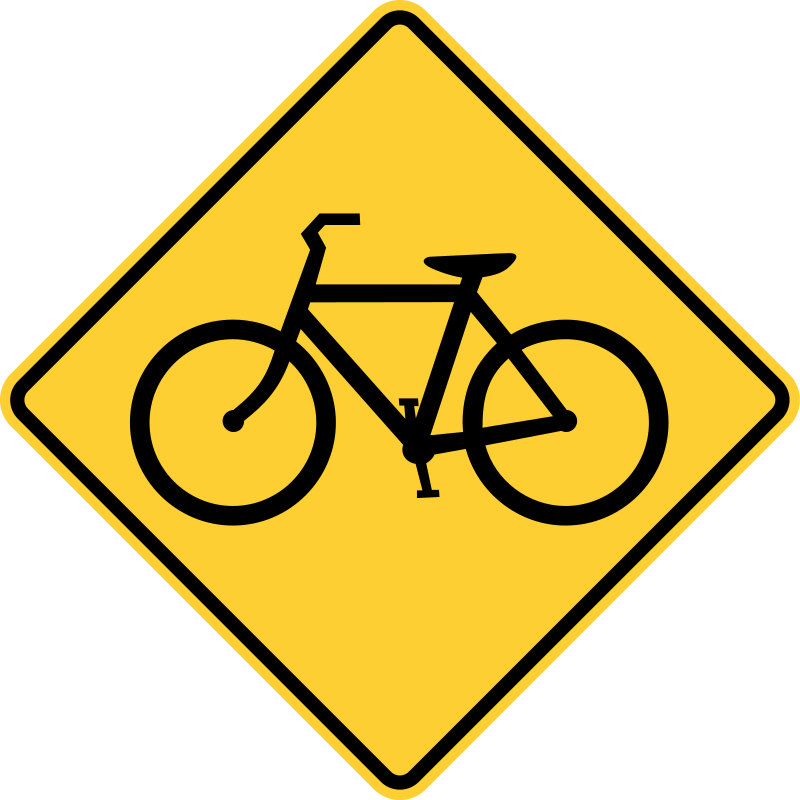 This sign means:
A
Bicycles should yield to vehicles ahead.
B
Warning: a bikeway crosses the roadway ahead.
C
The lane ahead is reserved for bicycles.
This traffic sign indicates: Warning: a bikeway crosses the roadway ahead. Observing and obeying all roadway signs ensures safe traffic flow and legal driving.
Question 21:
When in a motor vehicle on a highway, it is:
A
illegal to drink from, but permissible to transport, open containers of alcohol in the passenger compartment.
B
illegal to possess an open container of alcohol in the passenger compartment.
C
acceptable to drink alcoholic beverages if you are not driving.
D
permissible to drink a moderate amount of alcohol when driving with a passenger.
Defensive driving guidelines state that: illegal to possess an open container of alcohol in the passenger compartment. Anticipating road hazards and communicating maneuvers keeps traffic predictable and safe.
Question 22:
 What does the flashing signal in the picture indicate?
A
The same thing as a stop sign.
B
Pedestrians should finish crossing the street if started.
C
Pedestrians should start crossing the street.
State laws require signaling your intention: pedestrians should finish crossing the street if started. Signal at least 100 feet before making a turn or changing lanes.
Question 23:
If your gas pedal is stuck, you should:
A
hook your shoe under the pedal and see if you can free it. If not, shift into neutral and use the brake to slow your vehicle and get off the road.
B
ease your foot off the gas pedal and brake gently.
C
turn off the ignition if your vehicle has power steering.
The correct driving rule is: hook your shoe under the pedal and see if you can free it. If not, shift into neutral and use the brake to slow your vehicle and get off the road. Following standard DMV road rules and practicing defensive driving ensures safety for all road users.
Question 24:
Which sign has white letters on a red background?
A
Stop
B
School zone
C
Yield
The correct driving rule is: stop. Following standard DMV road rules and practicing defensive driving ensures safety for all road users.
Question 25:
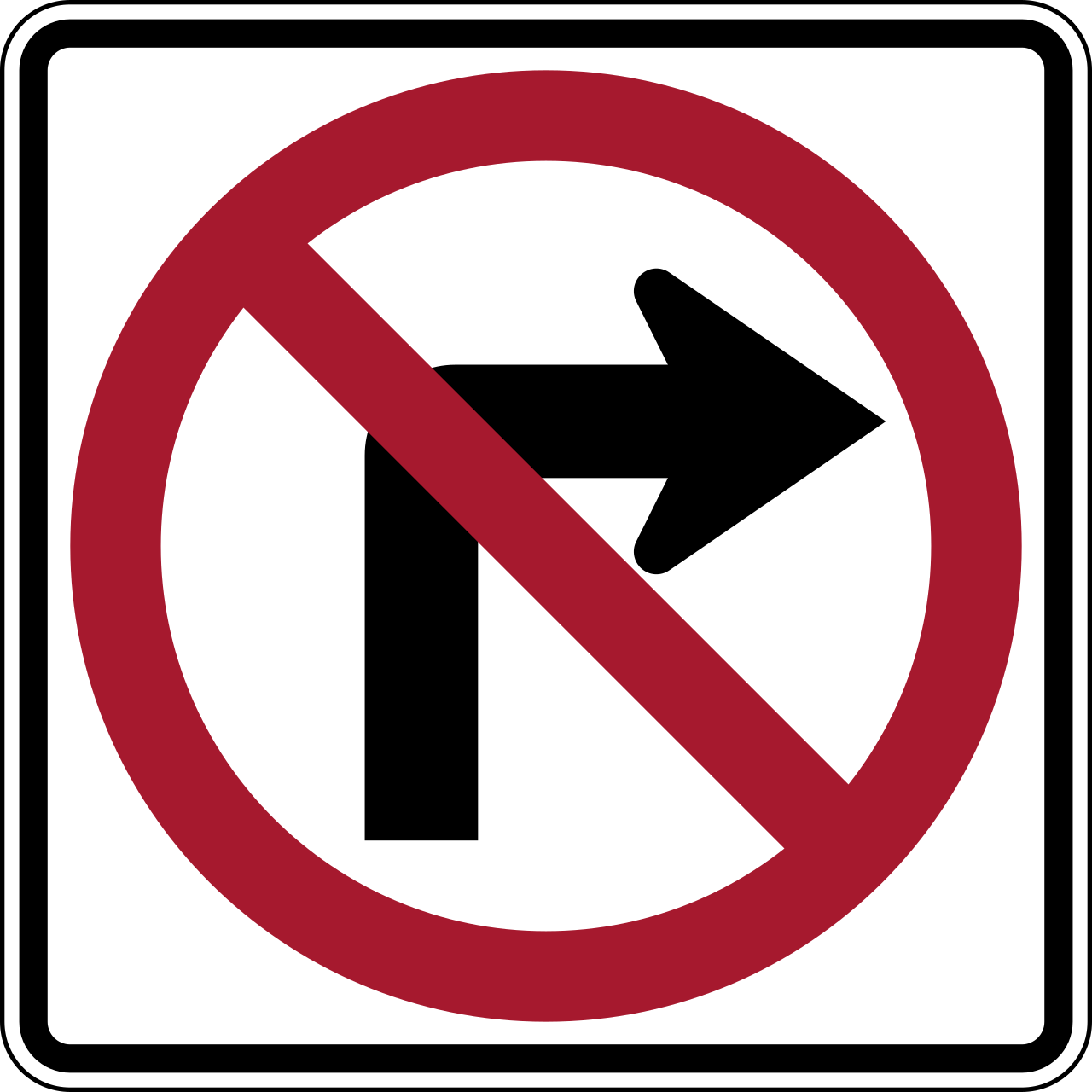 This road sign means:
A
No left turn
B
No right turn
C
No U-turns
This traffic sign indicates: No right turn. Observing and obeying all roadway signs ensures safe traffic flow and legal driving.
Question 26:
As they approach the top of a hill, drivers should:
A
prepare to stop if needed.
B
keep a steady speed.
C
speed up slightly.
The correct driving rule is: prepare to stop if needed. Following standard DMV road rules and practicing defensive driving ensures safety for all road users.
Question 27:
 When they see this sign, drivers:
A
should be prepared to make sharp turns at a high speed.
B
need to be prepared to turn right and then left quickly.
C
should not speed up or brake quickly.
This traffic sign indicates: should not speed up or brake quickly. Observing and obeying all roadway signs ensures safe traffic flow and legal driving.
Question 28:
If you hear a thumping sound while driving, you should:
A
hook your shoe under the gas pedal and see if you can free it.
B
get off the road and check your tires.
C
try your emergency lights.
The correct driving rule is: get off the road and check your tires. Following standard DMV road rules and practicing defensive driving ensures safety for all road users.
Question 29:
You are approaching an intersection with a traffic signal indicating a steady yellow light. If you have not already entered the intersection, you should:
A
slow down and proceed with caution through the intersection.
B
speed up to cross the intersection before the light turns red.
C
stop before entering the intersection if it is safe to do so.
This traffic sign indicates: stop before entering the intersection if it is safe to do so. Observing and obeying all roadway signs ensures safe traffic flow and legal driving.
Question 30:
 This road sign means:
A
A four-way intersection is ahead
B
Do not pass
C
A steep grade is ahead
This traffic sign indicates: A four-way intersection is ahead. Observing and obeying all roadway signs ensures safe traffic flow and legal driving.