Question 1:
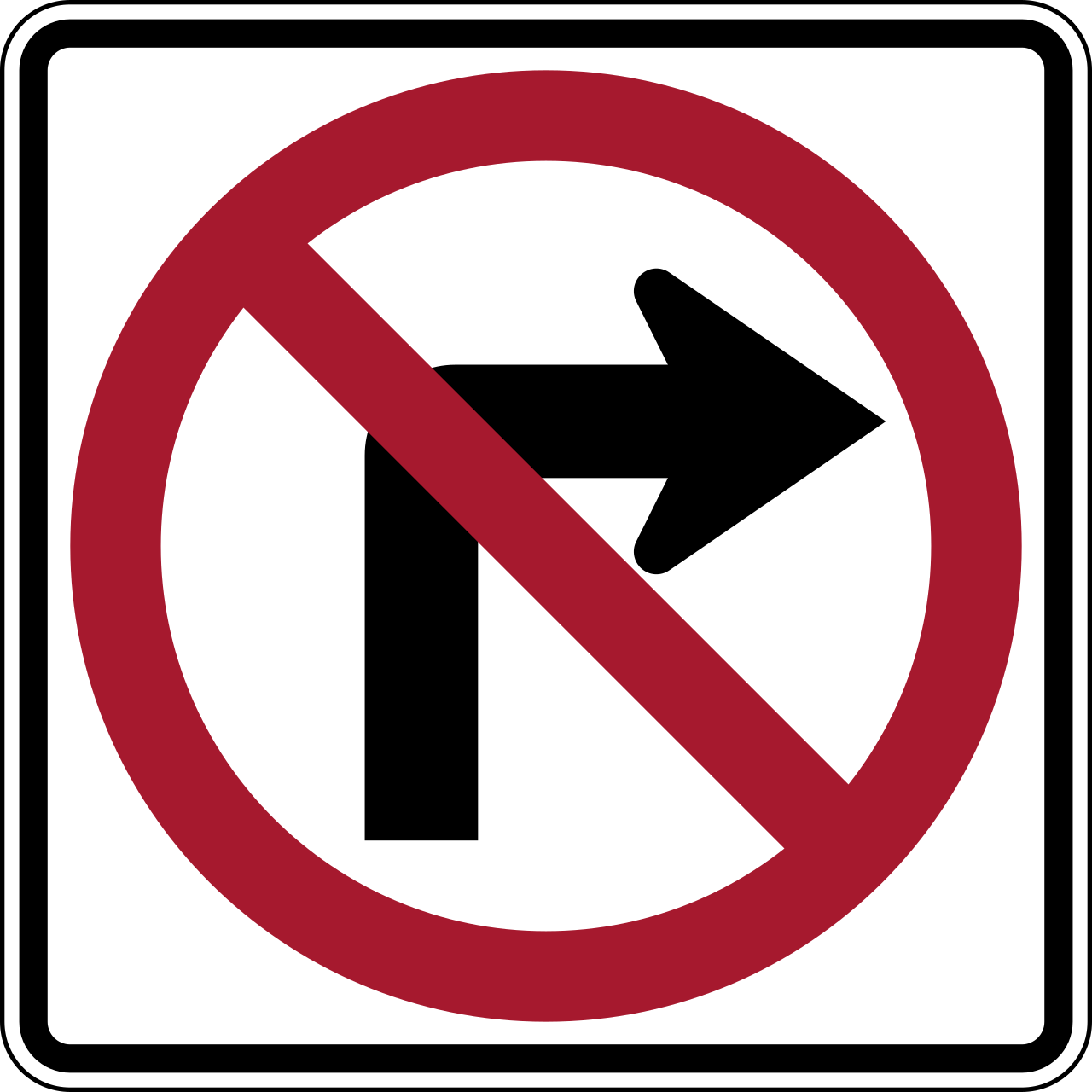 This road sign means:
A
No left turn
B
No right turn
C
No U-turns
This traffic sign indicates: No right turn. Observing and obeying all roadway signs ensures safe traffic flow and legal driving.
Question 2:
You are driving on a four-lane divided highway, two vehicles are driving side by side ahead of you, and you are in a hurry. You should:
A
drive closely behind the vehicles ahead changing lanes frequently.
B
drive in either lane with at least a two-second time interval behind the vehicle ahead.
C
drive closely behind the vehicle in the left lane and flash your headlights.
D
drive closely behind the vehicle in the right lane.
Defensive driving guidelines state that: drive in either lane with at least a two-second time interval behind the vehicle ahead. Anticipating road hazards and communicating maneuvers keeps traffic predictable and safe.
Question 3:
Drivers must yield to pedestrians:
A
Always.
B
when pedestrians are crossing within a marked or unmarked crosswalk.
C
by slowing down and making sure they are being seen by pedestrians.
D
under no circumstances.
The correct driving rule is: when pedestrians are crossing within a marked or unmarked crosswalk. Following standard DMV road rules and practicing defensive driving ensures safety for all road users.
Question 4:
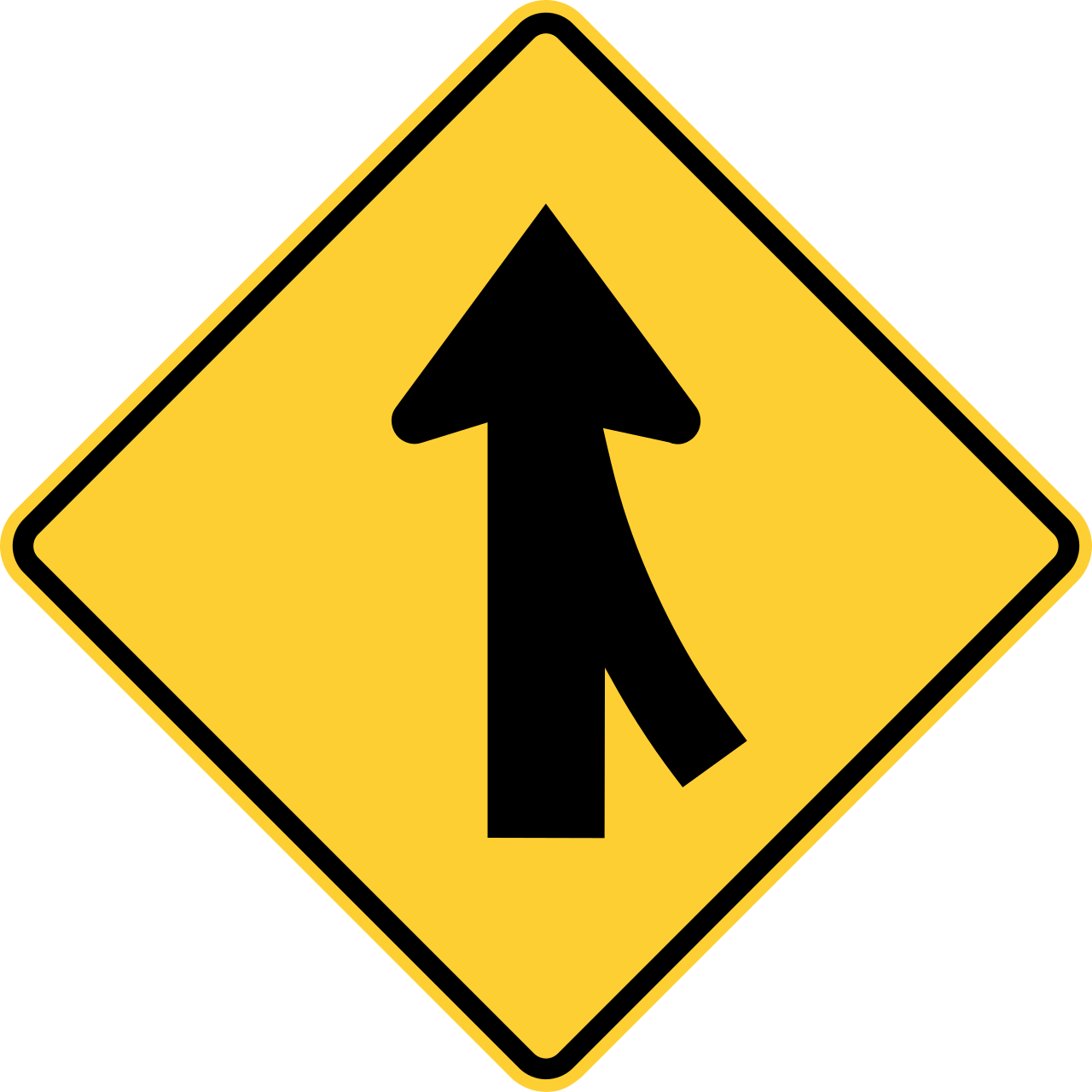 This road sign means:
A
Cars in right lane must slow down
B
Merging traffic ahead
C
Pass only in the right lane
D
No left turn
This traffic sign indicates: Merging traffic ahead. Observing and obeying all roadway signs ensures safe traffic flow and legal driving.
Question 5:
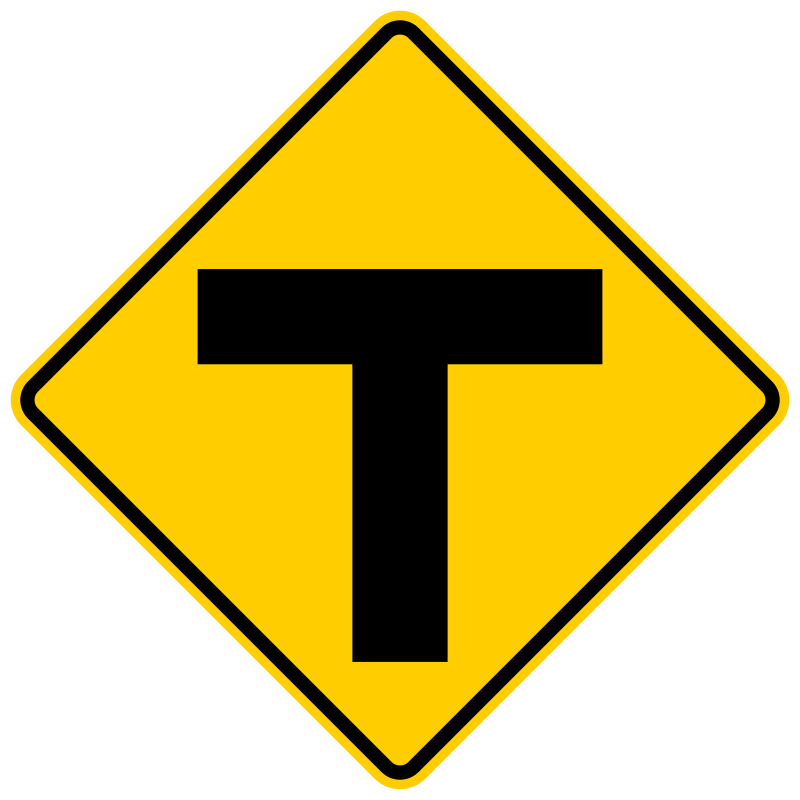 This road sign means:
A
Side road
B
T-intersection ahead
C
Keep right
D
Left lane must turn left
This traffic sign indicates: T-intersection ahead. Observing and obeying all roadway signs ensures safe traffic flow and legal driving.
Question 6:
A driver who approaches an intersection:
A
must yield the right-of-way to traffic already in the intersection.
B
must drive straight through the intersection, even if another vehicle is already in the intersection.
C
has the right-of-way over traffic already in the intersection.
According to standard right-of-way regulations: must yield the right-of-way to traffic already in the intersection. Yielding appropriately prevents intersection collisions and maintains safe traffic flow.
Question 7:
When a vehicle is hydroplaning:
A
the windshield wipers cannot keep the windshield clear of rain.
B
the spray from large trucks reduces visibility.
C
the tires lose contact with the road surface.
D
All of the above.
The correct driving rule is: the tires lose contact with the road surface. Following standard DMV road rules and practicing defensive driving ensures safety for all road users.
Question 8:
Drivers must not drive at:
A
a speed that is greater than reasonable.
B
a speed that is not prudent for the circumstances.
C
a speed that is greater than the posted speed limit.
D
All of the above.
All of the listed points are essential driving requirements: a speed that is greater than reasonable; a speed that is not prudent for the circumstances; a speed that is greater than the posted speed limit. Practicing each ensures compliance with DMV safety laws.
Question 9:
Your car stalls on the tracks at a railroad crossing, and a collision with a train is imminent. After getting yourself and your passengers out of the car, you should:
A
run toward the train but stay off the tracks.
B
signal the train to stop.
C
cross the tracks.
The correct driving rule is: run toward the train but stay off the tracks. Following standard DMV road rules and practicing defensive driving ensures safety for all road users.
Question 10:
When you are involved in an accident, you should:
A
call the police.
B
help the injured.
C
stop immediately.
D
All of the above.
All of the listed points are essential driving requirements: call the police; help the injured; stop immediately. Practicing each ensures compliance with DMV safety laws.
Question 11:
When they see a crossbuck sign, drivers:
A
must slow down and wait for the red lights to flash.
B
must always come to a complete stop.
C
are legally required to yield the right of way to trains.
The correct driving rule is: are legally required to yield the right of way to trains. Following standard DMV road rules and practicing defensive driving ensures safety for all road users.
Question 12:
Which signs have black letters on a white background?
A
Warning signs (diamond)
B
Regulatory signs (vertical rectangle)
C
Guide signs (horizontal rectangle)
The correct driving rule is: Regulatory signs (vertical rectangle). Following standard DMV road rules and practicing defensive driving ensures safety for all road users.
Question 13:
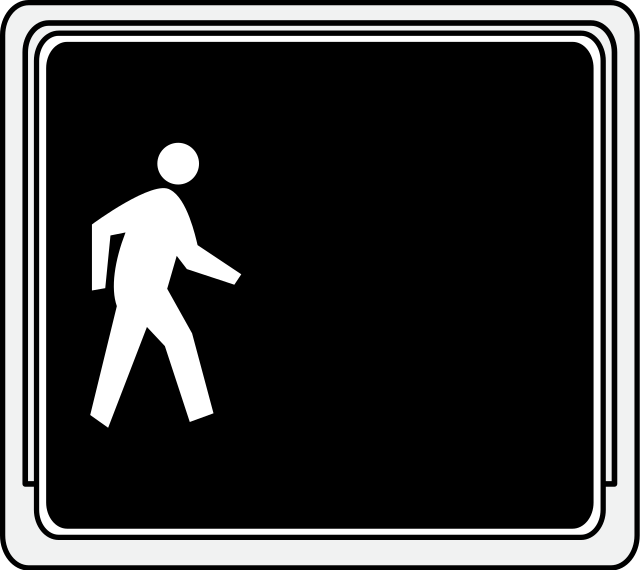 What does the pictured signal indicate?
A
A pedestrian may begin crossing the street.
B
Pedestrians may turn right.
C
A pedestrian may not not begin crossing the street.
State laws require signaling your intention: A pedestrian may begin crossing the street. Signal at least 100 feet before making a turn or changing lanes.
Question 14:
Where must a pedestrian walk when there are no sidewalks?
A
On the side of the road, in the same direction of traffic.
B
In the middle of the road, facing oncoming traffic.
C
On the side of the road, facing the traffic.
Drivers must always yield the right-of-way to pedestrians crossing at intersections and crosswalks: On the side of the road, facing the traffic. Stop and allow them to clear the lane safely.
Question 15:
Drive below the posted speed limit when:
A
anything makes conditions less than perfect.
B
you are on a four lane road.
C
entering a highway where there are other cars.
D
others drive below the speed limit.
For safe speed and stopping control: anything makes conditions less than perfect. Adjusting speed to match visibility and road traction prevents loss of steering grip.
Question 16:
Are drivers allowed to exceed the speed limit to pass other vehicles?
A
Yes, but only by 10 MPH or less.
B
No.
C
Yes, but only if they drive with caution.
For safe speed and stopping control: No. Adjusting speed to match visibility and road traction prevents loss of steering grip.
Question 17:
 A flashing yellow light:
A
warns drivers to proceed with caution.
B
is used at dangerous intersections.
C
All of the above.
Safe navigation at intersections requires following all established rules: warns drivers to proceed with caution; is used at dangerous intersections. Always yield right-of-way properly to prevent collisions.
Question 18:
When you see an emergency vehicle with flashing lights behind you, you should:
A
slow down, provide a clear path for the emergency vehicle and stop.
B
keep moving slowly, staying to the right side of the road.
C
disregard the signal if there are other lanes available for the emergency vehicle.
D
immediately come to a complete stop.
When sharing the road with other vehicles: slow down, provide a clear path for the emergency vehicle and stop. Giving large vehicles and vulnerable users adequate clearance prevents dangerous accidents.
Question 19:
What does a flashing yellow light mean?
A
The same thing as a stop sign.
B
Drivers may move forward with caution.
C
All of the above.
According to standard right-of-way regulations: drivers may move forward with caution. Yielding appropriately prevents intersection collisions and maintains safe traffic flow.
Question 20:
What should you do when an aggressive driver confronts you?
A
Avoid eye contact with the aggressive driver.
B
Make eye contact.
C
Challenge the aggressive driver with increased speed.
The correct driving rule is: avoid eye contact with the aggressive driver. Following standard DMV road rules and practicing defensive driving ensures safety for all road users.
Question 21:
Examples of proper glass maintenance include:
A
Replacing worn wiper blades.
B
Keeping your windows clean and clear.
C
All of the above.
All of the listed points are essential driving requirements: Replacing worn wiper blades; Keeping your windows clean and clear. Practicing each ensures compliance with DMV safety laws.
Question 22:
When driving, it is important to keep a space cushion _______ of your vehicle.
A
only on the left and right side
B
only in back
C
on all sides
D
only in front
The correct driving rule is: on all sides. Following standard DMV road rules and practicing defensive driving ensures safety for all road users.
Question 23:
 This sign means drivers should:
A
not drive in this lane.
B
give the right-of-way to traffic on the road they wish to enter.
C
proceed at normal speed through the upcoming intersection.
D
come to a complete stop and check for oncoming traffic before proceeding.
This traffic sign indicates: give the right-of-way to traffic on the road they wish to enter. Observing and obeying all roadway signs ensures safe traffic flow and legal driving.
Question 24:
 This sign means:
A
U-turns are not allowed.
B
Parking is not allowed.
C
No parking on pavement.
This traffic sign indicates: Parking is not allowed. Observing and obeying all roadway signs ensures safe traffic flow and legal driving.
Question 25:
 It's 10 AM. This sign tells you that:
A
you are allowed to park until 5:30 PM.
B
you must display a special permit in order to park here.
C
you are not allowed to park here.
This traffic sign indicates: you are not allowed to park here. Observing and obeying all roadway signs ensures safe traffic flow and legal driving.
Question 26:
Which shape is a speed limit sign?
A
Round
B
Pentagon
C
Vertical rectangle
For safe speed and stopping control: Vertical rectangle. Adjusting speed to match visibility and road traction prevents loss of steering grip.
Question 27:
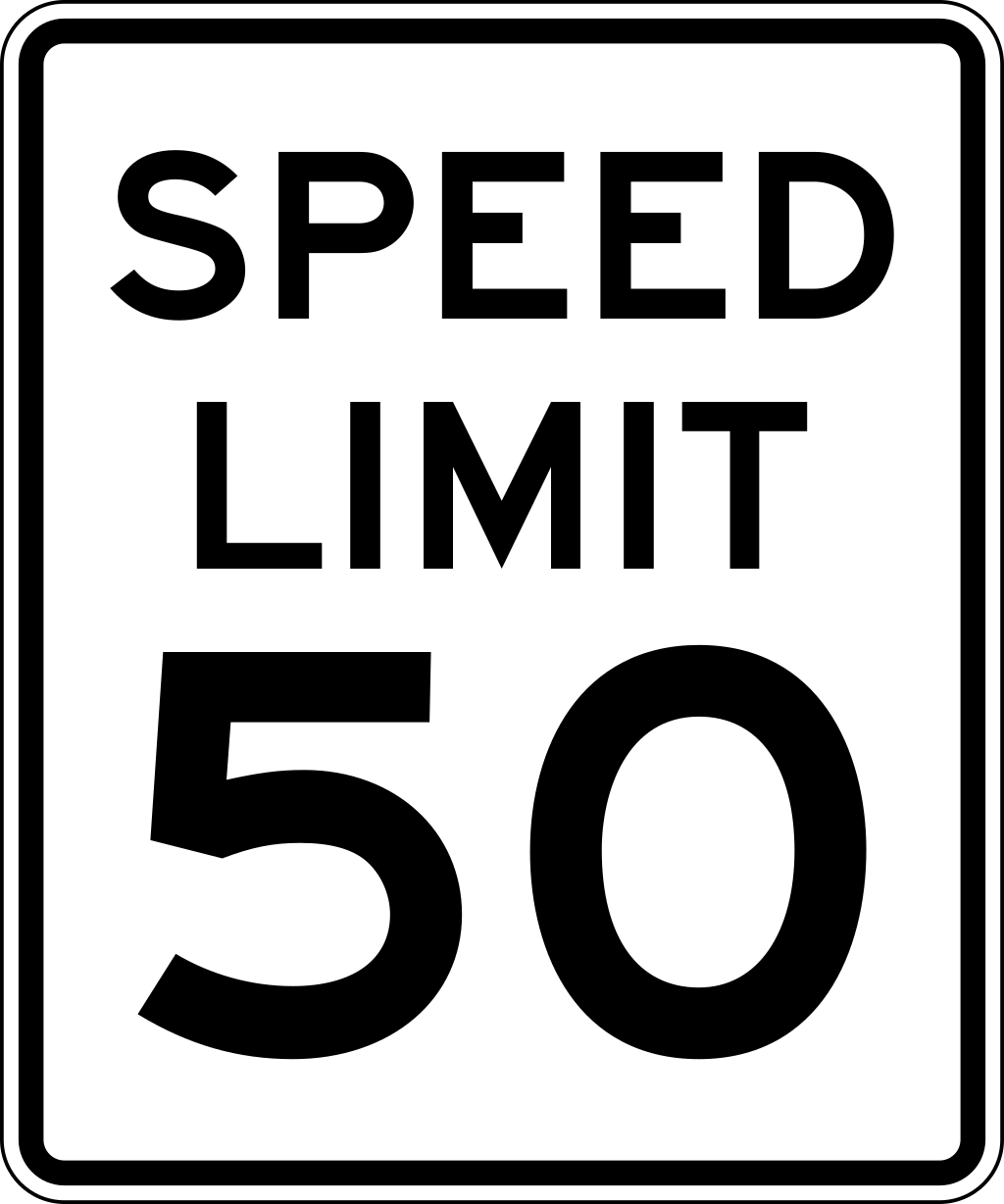 This sign indicates the _______________ vehicles can safely travel in this area.
A
suggested speed
B
maximum speed
C
minimum speed
This traffic sign indicates: maximum speed. Observing and obeying all roadway signs ensures safe traffic flow and legal driving.
Question 28:
Most signs used in street work areas are:
A
round.
B
diamond shaped.
C
rectangle shaped.
The correct driving rule is: diamond shaped. Following standard DMV road rules and practicing defensive driving ensures safety for all road users.
Question 29:
If a vehicle using high beams comes toward you, look towards __________ of the road.
A
either side
B
the center
C
the right side
D
the left side
The correct driving rule is: the right side. Following standard DMV road rules and practicing defensive driving ensures safety for all road users.
Question 30:
When following a motorcycle, drivers must remember that motorcycles can ____________ than other vehicles.
A
accelerate much faster
B
stop much more quickly
C
stop much more slowly
Motorcycles can stop rapidly and are easily hidden in vehicle blind spots: stop much more quickly. Always allow an increased following distance of at least 3 to 4 seconds.
Question 31:
Where there is no bicycle lane, where on the road must a bicyclist ride?
A
on the left shoulder of the road.
B
near the right curb or edge of the road.
C
near the left edge of the road.
State laws require motorists to provide a safe clearance buffer: near the right curb or edge of the road. Allow at least 3 feet of space when overtaking a bicyclist.
Question 32:
Drivers may cross solid yellow lines:
A
at any time.
B
only to pass traffic moving in the same direction.
C
when making turns.
D
during daylight hours only.
The correct driving rule is: when making turns. Following standard DMV road rules and practicing defensive driving ensures safety for all road users.
Question 33:
___________ normally are white rectangles with black letters or symbols.
A
Warning signs
B
Destination signs (guide signs)
C
Regulation signs (regulatory signs)
The correct driving rule is: Regulation signs (regulatory signs). Following standard DMV road rules and practicing defensive driving ensures safety for all road users.