Question 1:
Regulation signs normally are:
A
white triangles.
B
green rectangles.
C
white rectangles.
The correct driving rule is: white rectangles. Following standard DMV road rules and practicing defensive driving ensures safety for all road users.
Question 2:
If a tire suddenly blows out while you are driving, you should:
A
apply the brakes firmly.
B
slow down gradually and brake lightly.
C
pump the brakes rapidly.
The correct driving rule is: slow down gradually and brake lightly. Following standard DMV road rules and practicing defensive driving ensures safety for all road users.
Question 3:
 This road sign means:
A
Divided highway ahead
B
Two-way traffic ahead
C
Four-lane traffic ahead
This traffic sign indicates: Two-way traffic ahead. Observing and obeying all roadway signs ensures safe traffic flow and legal driving.
Question 4:
Drivers should check the traffic behind them every ten seconds when:
A
changing lanes.
B
slowing down.
C
driving down steep hills.
D
All of the above.
All of the listed points are essential driving requirements: changing lanes; slowing down; driving down steep hills. Practicing each ensures compliance with DMV safety laws.
Question 5:
Only _____ can reduce the alcohol level in the blood.
A
drinking coffee
B
taking a cold shower
C
time
Under state DUI and traffic safety laws: time. Alcohol degrades judgment, slows reaction times, and distorts depth perception.
Question 6:
Drivers should never park within ___ feet of a fire hydrant.
A
20
B
15
C
10
State and municipal laws prohibit parking within 15 feet of a fire hydrant to ensure emergency fire crews have clear, unobstructed access.
Question 7:
Regulatory signs are:
A
Suggestions
B
Warnings
C
Law
The correct driving rule is: Law. Following standard DMV road rules and practicing defensive driving ensures safety for all road users.
Question 8:
Fines for speeding are tripled in work and school zones.
A
False
B
True
The correct driving rule is: False. Following standard DMV road rules and practicing defensive driving ensures safety for all road users.
Question 9:
Bicyclists must:
A
ride in a bicycle lane, if available.
B
remain to the right when they prepare for a left turn.
C
remain near the left edge of the road.
The correct driving rule is: ride in a bicycle lane, if available. Following standard DMV road rules and practicing defensive driving ensures safety for all road users.
Question 10:
Distracted driving:
A
causes the driver to react more slowly to hazards.
B
is only dangerous for inexperienced drivers.
C
usually causes the driver to drive slower.
D
is never dangerous.
The correct driving rule is: causes the driver to react more slowly to hazards. Following standard DMV road rules and practicing defensive driving ensures safety for all road users.
Question 11:
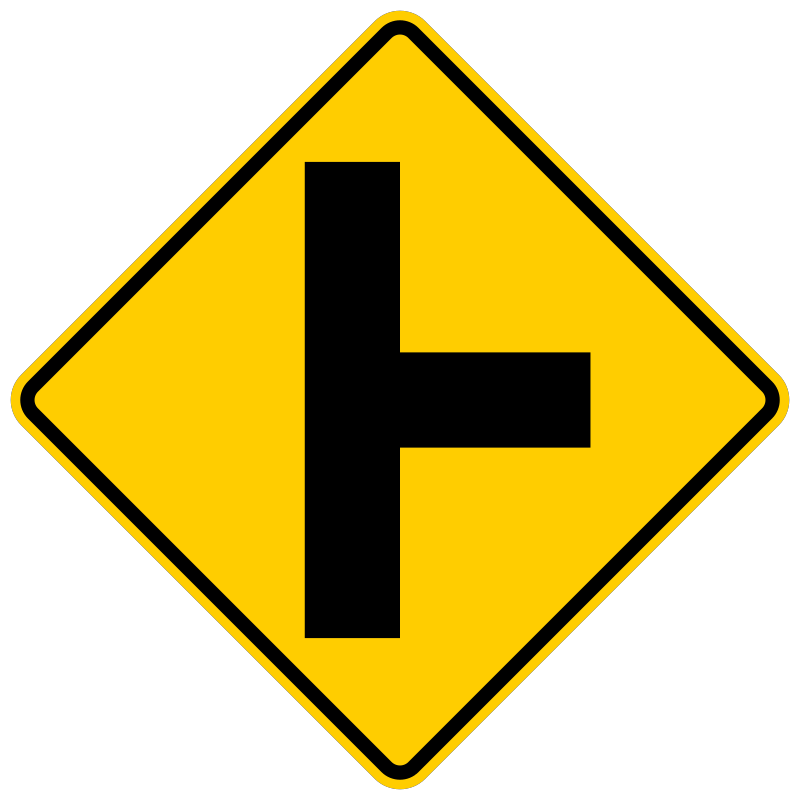 This road sign warns drivers that:
A
left turns are not allowed at the intersection.
B
the road will make a sharp turn to the right.
C
another road enters the highway from the direction shown.
This traffic sign indicates: another road enters the highway from the direction shown. Observing and obeying all roadway signs ensures safe traffic flow and legal driving.
Question 12:
When approaching someone using a white cane or guide dog, drivers should:
A
slow down and be prepared to stop.
B
proceed normally.
C
come to a complete stop and invite them to take the right-of-way.
The correct driving rule is: slow down and be prepared to stop. Following standard DMV road rules and practicing defensive driving ensures safety for all road users.
Question 13:
The first sign drivers see when approaching a highway-rail intersection is usually:
A
a crossbuck sign.
B
an advance warning sign.
C
a speed limit sign.
According to standard right-of-way regulations: an advance warning sign. Yielding appropriately prevents intersection collisions and maintains safe traffic flow.
Question 14:
When passing another vehicle, you should:
A
assume the other vehicle will maintain a constant speed.
B
check your mirrors and blind spots.
C
drive at the same speed as the vehicle you are passing.
Defensive driving guidelines state that: check your mirrors and blind spots. Anticipating road hazards and communicating maneuvers keeps traffic predictable and safe.
Question 15:
Flashing arrow panels are used in work zones:
A
to guide drivers into certain traffic lanes.
B
to tell drivers that they must pull onto the shoulder of the road and stop.
C
only on highways.
The correct driving rule is: to guide drivers into certain traffic lanes. Following standard DMV road rules and practicing defensive driving ensures safety for all road users.
Question 16:
Which shape is a warning sign?
A
Diamond
B
Triangle
C
Pennant
This traffic sign indicates: Diamond. Observing and obeying all roadway signs ensures safe traffic flow and legal driving.
Question 17:
 This road sign means:
A
Right lane ends
B
Highway entrance ramp ahead
C
Left lane widens
This traffic sign indicates: Right lane ends. Observing and obeying all roadway signs ensures safe traffic flow and legal driving.
Question 18:
An emergency vehicle that uses lights and a siren can be unpredictable. Why?
A
The driver can legally pass red lights.
B
Emergency vehicles must go faster than the posted speed limit when it is safe to do so.
C
Emergency vehicle drivers are not required to be careful.
When sharing the road with other vehicles: The driver can legally pass red lights. Giving large vehicles and vulnerable users adequate clearance prevents dangerous accidents.
Question 19:
The traffic light is green and you want to drive straight through an intersection. If a car is already in the intersection and is making a turn, you must:
A
enter the intersection and then stop.
B
drive through the intersection. You have the right-of-way.
C
let that car complete its turn before you enter the intersection.
According to standard right-of-way regulations: let that car complete its turn before you enter the intersection. Yielding appropriately prevents intersection collisions and maintains safe traffic flow.
Question 20:
A road is likely to be most slippery:
A
when tire marks have been left by other vehicles.
B
in cold, dry weather.
C
when icy and the temperature is near freezing.
D
in spring.
For safe speed and stopping control: when icy and the temperature is near freezing. Adjusting speed to match visibility and road traction prevents loss of steering grip.
Question 21:
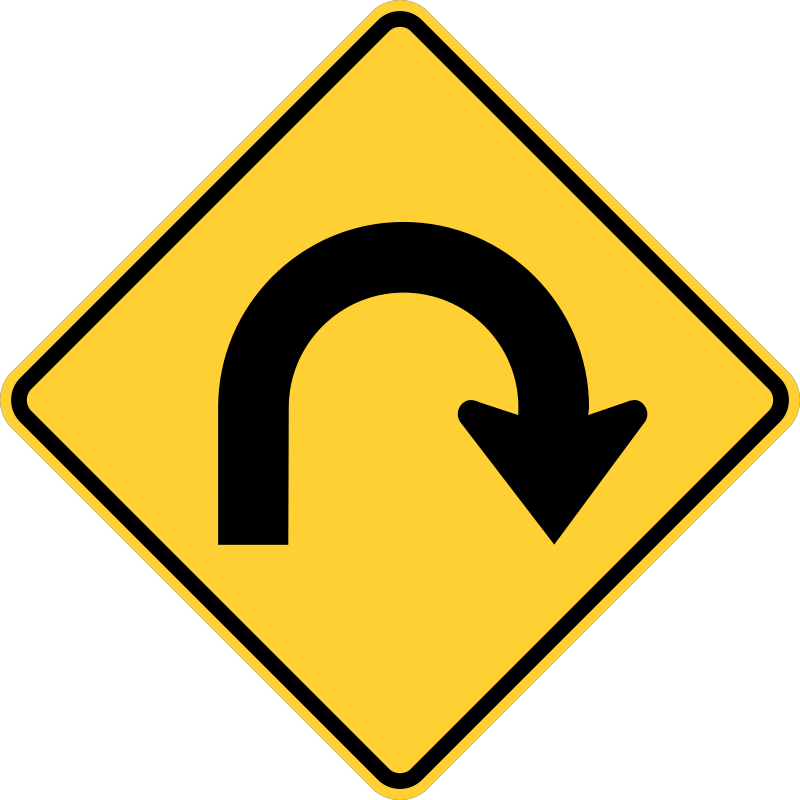 This sign means:
A
Hairpin corner ahead.
B
Warning: U-turn ahead.
C
Sharp right turn ahead.
This traffic sign indicates: Hairpin corner ahead. Observing and obeying all roadway signs ensures safe traffic flow and legal driving.
Question 22:
When driving at night with no other vehicles ahead, a driver should use:
A
high beam lights.
B
low-beam lights.
C
parking lights.
The correct driving rule is: high beam lights. Following standard DMV road rules and practicing defensive driving ensures safety for all road users.
Question 23:
 This road sign means:
A
No left turn
B
No U-turn
C
Detour ahead
This traffic sign indicates: No U-turn. Observing and obeying all roadway signs ensures safe traffic flow and legal driving.
Question 24:
 An octagonal (eight-sided) sign means:
A
yield.
B
slow down.
C
stop.
An octagonal Stop sign requires a full and complete stop before the stop line or crosswalk: stop. Proceed only after yielding to all cross traffic and pedestrians.
Question 25:
If you are involved in a crash you must report it to the Department of Roads within ___ days if any person is injured or killed.
A
5
B
15
C
10
The correct driving rule is: 10. Following standard DMV road rules and practicing defensive driving ensures safety for all road users.