Question 1:
If an emergency vehicle with flashing lights is traveling in the area where you are driving, you must:
A
drive to the right side of the road and stop.
B
proceed slowly and let the vehicle pass.
C
keep driving in your lane.
When sharing the road with other vehicles: drive to the right side of the road and stop. Giving large vehicles and vulnerable users adequate clearance prevents dangerous accidents.
Question 2:
When parking on a public road, drivers should:
A
move as far away from traffic as possible.
B
always park on the left side of the roadway.
C
All of the above.
Under standard parking and curb regulations: move as far away from traffic as possible. Following parking distance clearances keeps roadways unobstructed and emergency lanes accessible.
Question 3:
 When they see this sign, drivers:
A
should be prepared to make sharp turns at a high speed.
B
need to be prepared to turn right and then left quickly.
C
should not speed up or brake quickly.
This traffic sign indicates: should not speed up or brake quickly. Observing and obeying all roadway signs ensures safe traffic flow and legal driving.
Question 4:
What is the first thing you should do if your wheels move off the pavement?
A
Pull the steering wheel back.
B
Pull over to the right and sound your horn to warn the other drivers.
C
Ease your foot off the gas pedal and brake gently.
The correct driving rule is: Ease your foot off the gas pedal and brake gently. Following standard DMV road rules and practicing defensive driving ensures safety for all road users.
Question 5:
 This warning sign:
A
provides advance notice to upcoming speed limit change.
B
shows the current speed limit that all vehicles traveling in the direction of the arrow must not exceed.
C
indicates the suggested highest safe speed.
This traffic sign indicates: provides advance notice to upcoming speed limit change. Observing and obeying all roadway signs ensures safe traffic flow and legal driving.
Question 6:
When driving in work zones, drivers should:
A
come to a complete stop and look for a flagger.
B
stay alert, slow down and be prepared to stop.
C
alert drivers as they approach and enter the work zone.
The correct driving rule is: stay alert, slow down and be prepared to stop. Following standard DMV road rules and practicing defensive driving ensures safety for all road users.
Question 7:
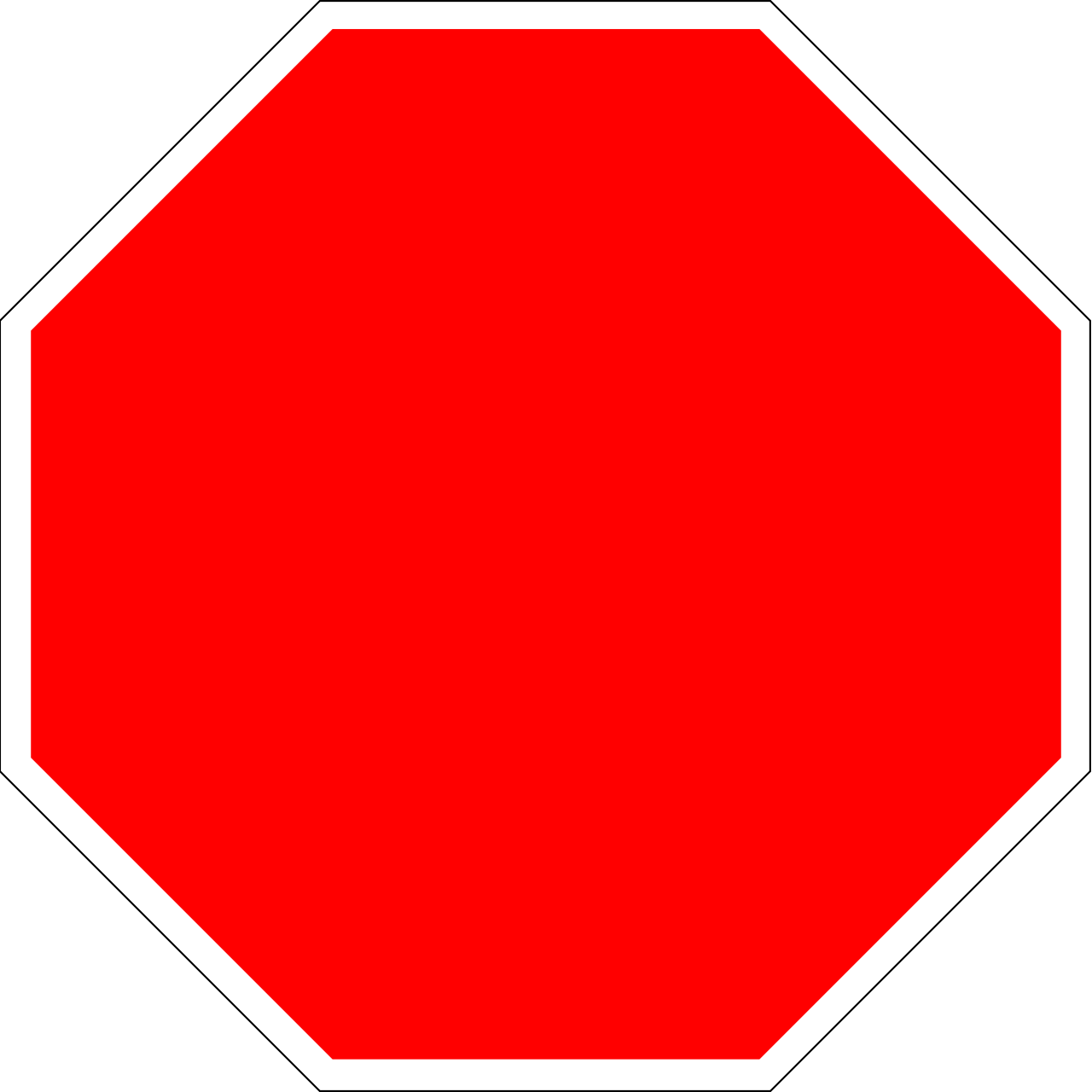 This road sign means:
A
Be prepared to stop if necessary
B
Slow down and be prepared to stop
C
Stop and yield to pedestrians and cross traffic
A triangular Yield sign requires drivers to slow down and give right-of-way to other traffic: stop and yield to pedestrians and cross traffic. Proceed only when there is a safe opening.
Question 8:
A vehicle that enters a road from a driveway:
A
has the right-of-way.
B
must yield to traffic approaching from the right, while it has the right-of-way over vehicles approaching from the left.
C
must stop and yield the right-of-way to traffic on the roadway and to pedestrians.
The correct driving rule is: must stop and yield the right-of-way to traffic on the roadway and to pedestrians. Following standard DMV road rules and practicing defensive driving ensures safety for all road users.
Question 9:
When approach a stopped emergency vehicle with flashing lights on a multi-lane controlled access highway, drivers must:
A
move into a lane at least one lane away from stopped vehicles, if possible.
B
continue at the same speed.
C
immediately come to a complete stop.
D
pull off the road and stop.
When sharing the road with other vehicles: move into a lane at least one lane away from stopped vehicles, if possible. Giving large vehicles and vulnerable users adequate clearance prevents dangerous accidents.
Question 10:
After parking, are you allowed to open a door on the road side of your vehicle?
A
Yes, always.
B
Yes, but only if it does not interfere with bicyclists and other traffic.
C
No, never.
Under standard parking and curb regulations: Yes, but only if it does not interfere with bicyclists and other traffic. Following parking distance clearances keeps roadways unobstructed and emergency lanes accessible.
Question 11:
While driving, it is important to slow down:
A
when the road is wet.
B
on narrow roads.
C
at intersections.
D
All of the above.
All of the listed points are essential driving requirements: when the road is wet; on narrow roads; at intersections. Practicing each ensures compliance with DMV safety laws.
Question 12:
What should you do in case of a brake failure?
A
Pull off the road into an open space, if available.
B
Apply the parking brake slowly.
C
All of the above.
All of the listed points are essential driving requirements: Pull off the road into an open space, if available; Apply the parking brake slowly. Practicing each ensures compliance with DMV safety laws.
Question 13:
If another vehicle passes you on the left, you must:
A
increase your speed slightly and keep to the right.
B
decrease your speed, then pull over to the right and stop.
C
decrease your speed slightly and keep to the right.
The correct driving rule is: decrease your speed slightly and keep to the right. Following standard DMV road rules and practicing defensive driving ensures safety for all road users.
Question 14:
When you are approaching a railroad crossing with no signal lights or crossing gates, you should:
A
come to a complete stop.
B
look both ways, listen for and yield to trains and be prepared to stop if a train is approaching.
C
proceed at a constant speed while looking and listening for trains.
State laws require signaling your intention: look both ways, listen for and yield to trains and be prepared to stop if a train is approaching. Signal at least 100 feet before making a turn or changing lanes.
Question 15:
 This sign warns drivers of:
A
a side road.
B
a sharp turn.
C
a cross road.
This traffic sign indicates: a sharp turn. Observing and obeying all roadway signs ensures safe traffic flow and legal driving.
Question 16:
What happens if two vehicles reach at the same time an intersection with four-way stop signs?
A
The driver on the right yields to the driver on the left.
B
The driver on the left yields to the driver on the right.
C
The first vehicle to reach the intersection must yield.
At an uncontrolled intersection or 4-way stop where vehicles arrive at the same time: The driver on the left yields to the driver on the right. The driver on the left must always yield to the driver on the right.
Question 17:
The first vehicle to reach the intersection must yield.
A
Your weight. The type of beverage you drink. How fit you are.
B
Your weight. How much alcohol you drink. How much time passes between drinks.
C
How fit you are. How much alcohol you drink. Your height.
D
Your height. How much alcohol you drink. The type of beverage you drink.
According to standard right-of-way regulations: Your weight. How much alcohol you drink. How much time passes between drinks. Yielding appropriately prevents intersection collisions and maintains safe traffic flow.
Question 18:
If the entrance lane is too short to allow acceleration to expressway speed, you should:
A
stop and wait for a large space in traffic.
B
enter the expressway and accelerate quickly.
C
reduce your speed to 15 MPH or less and blend with traffic.
For safe speed and stopping control: stop and wait for a large space in traffic. Adjusting speed to match visibility and road traction prevents loss of steering grip.
Question 19:
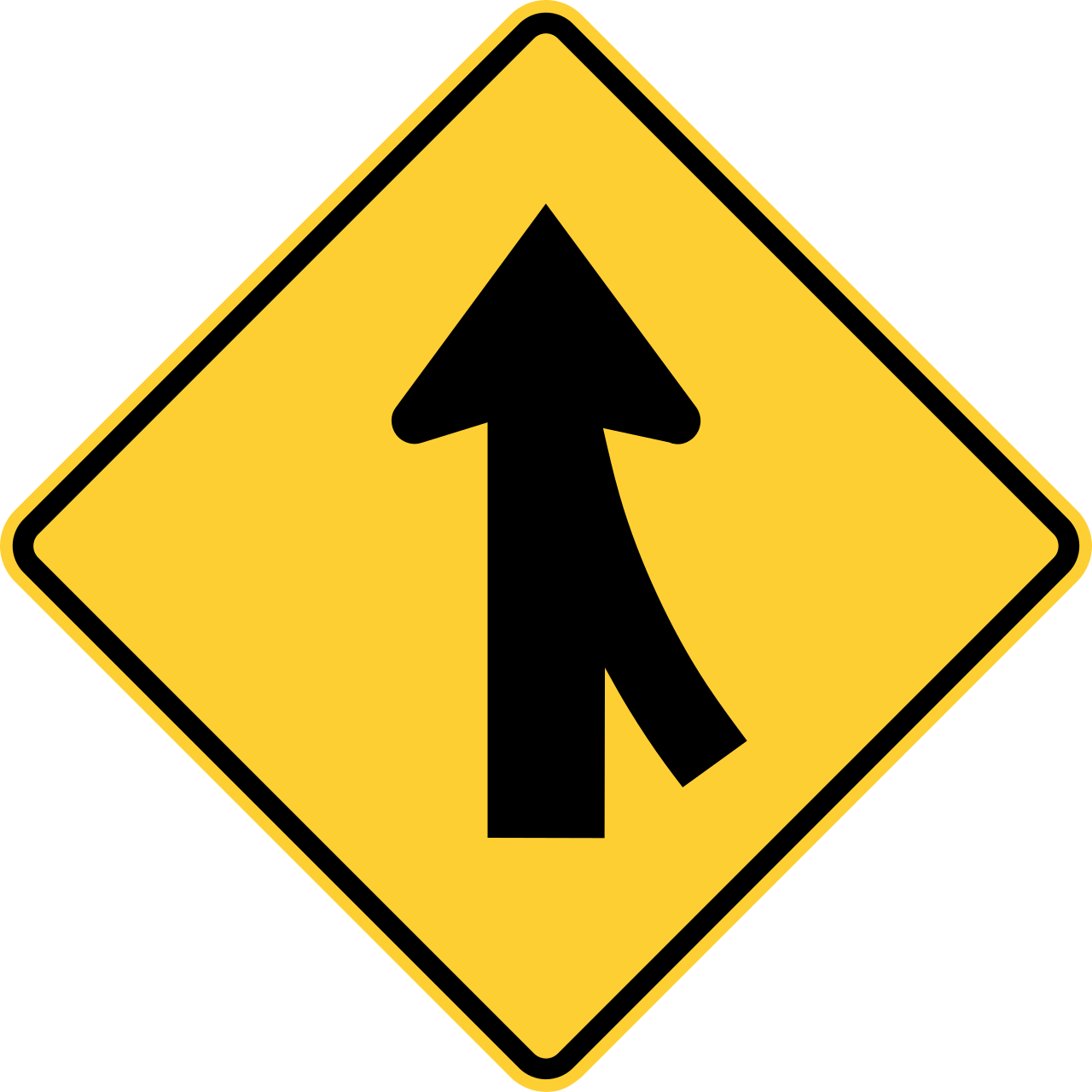 This yellow sign means:
A
Lane ends ahead
B
Undivided highway ahead
C
Merging traffic ahead
This traffic sign indicates: Merging traffic ahead. Observing and obeying all roadway signs ensures safe traffic flow and legal driving.
Question 20:
 The picture shows a _________ sign.
A
no U-turn
B
no left turn
C
sharp turn
The correct driving rule is: no U-turn. Following standard DMV road rules and practicing defensive driving ensures safety for all road users.
Question 21:
Does a vehicle prepared to enter a traffic circle or rotary have right-of-way over vehicles in the circle?
A
Yes, but only if they are entering the rotary from the right lane.
B
No. Vehicles already in the circle have the right-of-way.
C
Only if the light is green.
D
Yes.
Vehicles entering a roundabout must yield right-of-way to circulating traffic already inside: No. Vehicles already in the circle have the right-of-way. Wait for a safe gap before entering.
Question 22:
You face a green light, but traffic on the other side of the intersection does not allow you to travel all the way through the intersection. What must you do?
A
Enter the intersection and wait until traffic ahead clears.
B
Wait for the next green light.
C
Wait until traffic ahead clears, so you do not block the intersection.
According to standard right-of-way regulations: wait until traffic ahead clears, so you do not block the intersection. Yielding appropriately prevents intersection collisions and maintains safe traffic flow.
Question 23:
 Vertical rectangles tell drivers:
A
the law.
B
what is not allowed.
C
the direction they should travel.
The correct driving rule is: the law. Following standard DMV road rules and practicing defensive driving ensures safety for all road users.
Question 24:
 This sign means:
A
U-turns are not allowed.
B
Parking is not allowed.
C
No parking on pavement.
This traffic sign indicates: Parking is not allowed. Observing and obeying all roadway signs ensures safe traffic flow and legal driving.
Question 25:
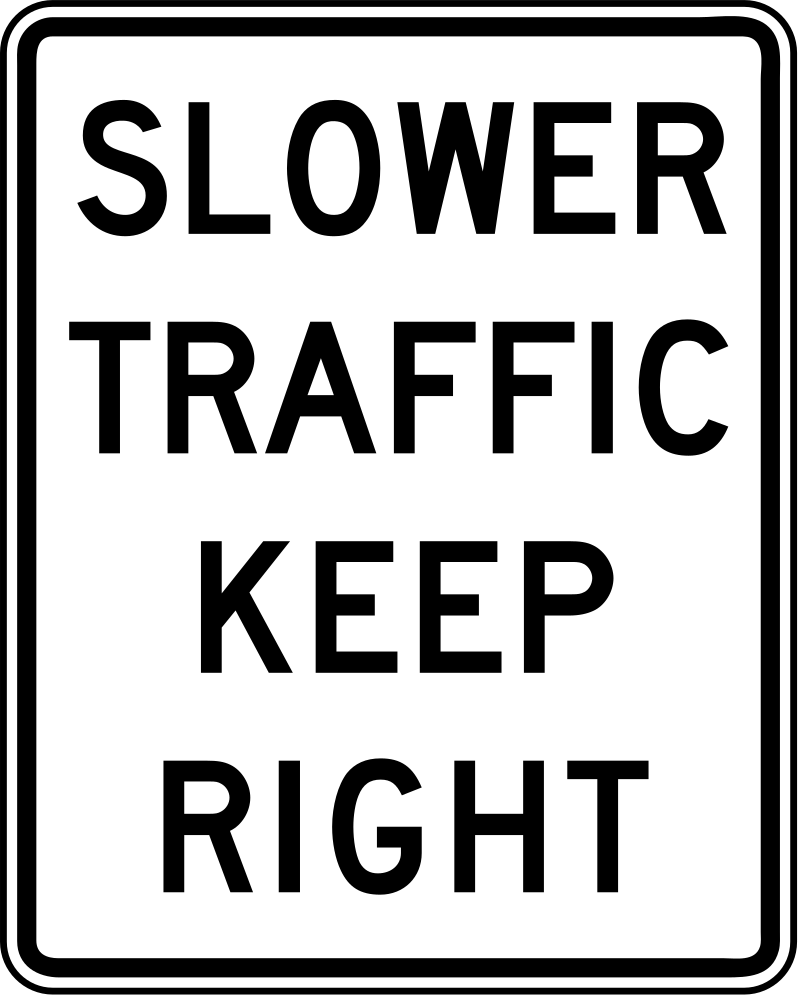 This road sign is:
A
a speed reduction sign.
B
a warning sign.
C
a regulatory sign.
This traffic sign indicates: a regulatory sign. Observing and obeying all roadway signs ensures safe traffic flow and legal driving.