Question 1:
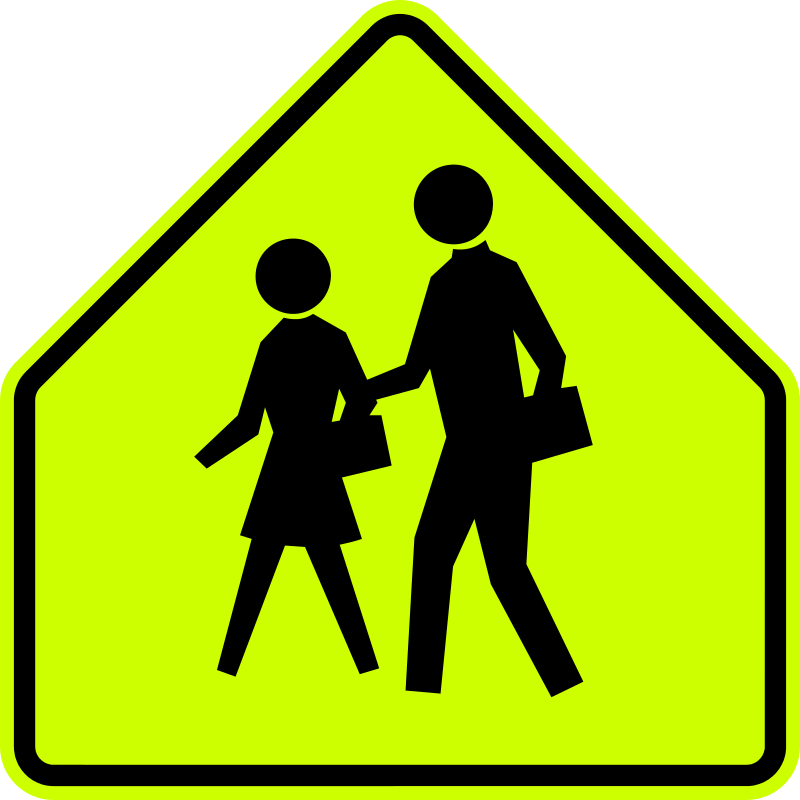 This sign means:
A
Business area nearby. Watch for business people.
B
There is a work zone ahead. Watch for workers.
C
The driver is near a school and should watch for children.
Pentagonal (5-sided) signs are exclusively reserved for school zones and school crossings: The driver is near a school and should watch for children. Drivers must reduce speed and yield right-of-way to all crossing children.
Question 2:
You ________ traffic headed toward you when you turn left.
A
must not yield to
B
must interrupt
C
must yield to
According to standard right-of-way regulations: must yield to. Yielding appropriately prevents intersection collisions and maintains safe traffic flow.
Question 3:
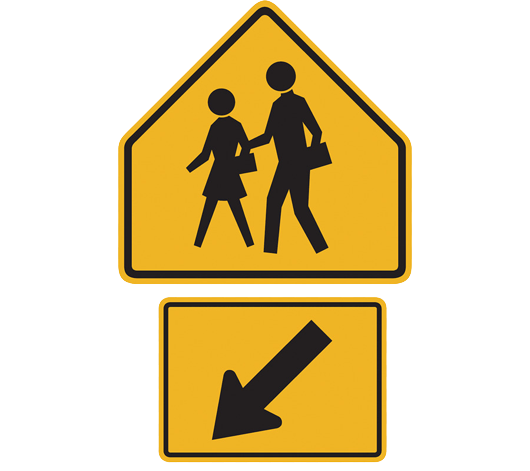 When you approach this sign, you must:
A
stop if necessary.
B
watch for workers crossing the road.
C
None of the above.
This traffic sign indicates: stop if necessary. Observing and obeying all roadway signs ensures safe traffic flow and legal driving.
Question 4:
Enter a roundabout:
A
when you have a green light.
B
after coming to a complete stop and looking both ways.
C
only when there is a safe gap in traffic.
Vehicles entering a roundabout must yield right-of-way to circulating traffic already inside: only when there is a safe gap in traffic. Wait for a safe gap before entering.
Question 5:
Drivers must be prepared for anything coming up in the road ahead. They should:
A
scan the road for traffic conditions and possible hazards.
B
drive with the right foot resting lightly on the brake pedal.
C
stare straight ahead at all times.
D
maintain focus toward the left of the road.
The correct driving rule is: scan the road for traffic conditions and possible hazards. Following standard DMV road rules and practicing defensive driving ensures safety for all road users.
Question 6:
You have stopped for a train at a railroad crossing. After the train passes, you must:
A
look to see if another train is coming, then cross the tracks if it is safe to do so.
B
watch for vehicles that must stop at railroad crossings (school buses, vehicles carrying hazardous materials, etc.).
C
All of the above.
All of the listed points are essential driving requirements: look to see if another train is coming, then cross the tracks if it is safe to do so; watch for vehicles that must stop at railroad crossings (school buses, vehicles carrying hazardous materials, etc.). Practicing each ensures compliance with DMV safety laws.
Question 7:
When passing a pedestrian who is walking on the road and an oncoming vehicle is approaching, you should:
A
keep driving, you have the right-of-way.
B
honk your horn to warn the pedestrian.
C
slow down and let the vehicle pass first.
Drivers must always yield the right-of-way to pedestrians crossing at intersections and crosswalks: slow down and let the vehicle pass first. Stop and allow them to clear the lane safely.
Question 8:
 This sign means:
A
You may make a U-turn.
B
Hairpin corner ahead.
C
You must make a U-turn.
This traffic sign indicates: you must make a U-turn. Observing and obeying all roadway signs ensures safe traffic flow and legal driving.
Question 9:
If you change your name or address you must apply to the County Treasurer for a replacement operators license within ___ days.
A
10
B
90
C
60
The correct driving rule is: 60. Following standard DMV road rules and practicing defensive driving ensures safety for all road users.
Question 10:
An edge line that angles toward the center of the road indicates that:
A
the road is narrower ahead.
B
there’s a narrow bridge ahead.
C
you must turn right.
The correct driving rule is: the road is narrower ahead. Following standard DMV road rules and practicing defensive driving ensures safety for all road users.
Question 11:
If your vehicle starts to hydroplane you should:
A
apply the brakes firmly to prevent your vehicle from sliding.
B
slow down gradually and do not apply the brakes.
C
maintain your current speed to gain better traction.
D
All of the above.
The correct driving rule is: slow down gradually and do not apply the brakes. Following standard DMV road rules and practicing defensive driving ensures safety for all road users.
Question 12:
You are approaching an intersection with a traffic signal indicating a steady yellow light. If you have not already entered the intersection, you should:
A
slow down and proceed with caution through the intersection.
B
speed up to cross the intersection before the light turns red.
C
stop before entering the intersection if it is safe to do so.
This traffic sign indicates: stop before entering the intersection if it is safe to do so. Observing and obeying all roadway signs ensures safe traffic flow and legal driving.
Question 13:
Drivers who refuse to submit to a chemical test for alcohol or drugs will have their license suspended for:
A
90 days.
B
1 year.
C
30 days.
Under state DUI and traffic safety laws: 1 year. Alcohol degrades judgment, slows reaction times, and distorts depth perception.
Question 14:
Where must you position your vehicle when you prepare to make a left turn from a two-way roadway into a one-way roadway?
A
As far to the right as possible.
B
On the right curb.
C
As close as possible to the center line.
The correct driving rule is: As close as possible to the center line. Following standard DMV road rules and practicing defensive driving ensures safety for all road users.
Question 15:
A broken yellow line between two lanes of traffic means:
A
Passing is permitted when safe.
B
Passing is not permitted.
C
Passing on the right is permitted in either direction
The correct driving rule is: Passing is permitted when safe. Following standard DMV road rules and practicing defensive driving ensures safety for all road users.
Question 16:
Which shape is a speed limit sign?
A
Round
B
Pentagon
C
Vertical rectangle
For safe speed and stopping control: Vertical rectangle. Adjusting speed to match visibility and road traction prevents loss of steering grip.
Question 17:
Drivers who flee to avoid arrest:
A
could have their operators license revoked.
B
can be charged with a misdemeanor or felony offense.
C
All of the above.
All of the listed points are essential driving requirements: could have their operators license revoked; can be charged with a misdemeanor or felony offense. Practicing each ensures compliance with DMV safety laws.
Question 18:
A flashing red light means:
A
The same as a STOP sign.
B
The light will soon change to steady red.
C
Drive with caution.
When an emergency vehicle approaches with flashing lights or sirens, you must safely pull over to the right curb and stop completely until it passes.
Question 19:
To avoid becoming an aggressive driver, you should allow enough travel time to reach your destination on schedule.
A
False
B
True
The correct driving rule is: True. Following standard DMV road rules and practicing defensive driving ensures safety for all road users.
Question 20:
 This sign means:
A
You must stop ahead
B
Railroad crossing ahead
C
No Passing Zone
D
There is a traffic signal ahead
This traffic sign indicates: There is a traffic signal ahead. Observing and obeying all roadway signs ensures safe traffic flow and legal driving.
Question 21:
 This sign warns drivers of:
A
low clearance.
B
a narrow bridge ahead.
C
a low place in the road.
This traffic sign indicates: a narrow bridge ahead. Observing and obeying all roadway signs ensures safe traffic flow and legal driving.
Question 22:
Barricades, drums, cones and vertical panels are the most commonly used devices to guide drivers safely through a work zone.
A
False
B
True
The correct driving rule is: True. Following standard DMV road rules and practicing defensive driving ensures safety for all road users.
Question 23:
When the pavement is marked with a double yellow line, drivers may pass other vehicles:
A
None of the other answers is correct.
B
only if there are no oncoming vehicles.
C
only if the vehicle ahead is driving 10 mph or more under the speed limit.
D
Never.
The correct driving rule is: Never. Following standard DMV road rules and practicing defensive driving ensures safety for all road users.
Question 24:
A work zone:
A
is marked with black and white signs.
B
might involve vehicles and moving workers.
C
does not require that the driver slow down and pay extra attention.
D
All of the above.
The correct driving rule is: might involve vehicles and moving workers. Following standard DMV road rules and practicing defensive driving ensures safety for all road users.
Question 25:
Alcohol:
A
makes drivers more prone to take chances.
B
increases reaction time.
C
All of the above.
Alcohol and impairing substances degrade all critical driving functions: makes drivers more prone to take chances; increases reaction time. Driving while impaired carries severe criminal and safety penalties.