Question 1:
When a ‘Road Closed’ sign is displayed, drivers must:
A
make a U-turn.
B
look for a detour or another route.
C
come to a complete stop and wait for the lights to turn green.
The correct driving rule is: look for a detour or another route. Following standard DMV road rules and practicing defensive driving ensures safety for all road users.
Question 2:
If it safe to do so, you can pass a vehicle ahead when:
A
you are on a hill or curve.
B
there is a broken line on your side of the road.
C
there is a solid line on your side of the road.
The correct driving rule is: there is a broken line on your side of the road. Following standard DMV road rules and practicing defensive driving ensures safety for all road users.
Question 3:
To pass a bicyclist traveling in the same direction on a two-lane road without bicycle lanes, you should:
A
continue driving straight, it is the bicyclist’s responsibility to get out of your way.
B
slow down and wait until there is no oncoming traffic, then pass the bicyclist leaving him or her sufficient space.
C
honk at the bicyclist to let him or her know you are about to pass.
D
not pass the bicyclist until you come to a traffic signal or stop sign.
State laws require motorists to provide a safe clearance buffer: slow down and wait until there is no oncoming traffic, then pass the bicyclist leaving him or her sufficient space. Allow at least 3 feet of space when overtaking a bicyclist.
Question 4:
At a stop sign there is no stop line or crosswalk. You must stop:
A
before you enter the intersection.
B
at the next crosswalk.
C
after you enter the intersection, if you have a clear view of traffic on the intersecting roadway.
Drivers must always yield the right-of-way to pedestrians crossing at intersections and crosswalks: before you enter the intersection. Stop and allow them to clear the lane safely.
Question 5:
When children are close, what should you do before you back out of a driveway?
A
Rely on your mirrors.
B
Get out of the car and check behind the car.
C
Look through your back window for children.
The correct driving rule is: Get out of the car and check behind the car. Following standard DMV road rules and practicing defensive driving ensures safety for all road users.
Question 6:
When you pass another vehicle, before you return to the right lane, you must:
A
look at your interior rear-view mirror.
B
signal.
C
All of the above.
All of the listed points are essential driving requirements: look at your interior rear-view mirror; signal. Practicing each ensures compliance with DMV safety laws.
Question 7:
A solid yellow line on your side of the center line means:
A
Stop
B
Pass with caution
C
Do not pass
The correct driving rule is: Do not pass. Following standard DMV road rules and practicing defensive driving ensures safety for all road users.
Question 8:
If the entrance lane is too short to allow acceleration to highway speed, you should:
A
go to the next entrance ramp.
B
stop and wait for a large gap in traffic, then enter the highway and accelerate quickly.
C
merge into highway traffic as soon as possible.
For safe speed and stopping control: stop and wait for a large gap in traffic, then enter the highway and accelerate quickly. Adjusting speed to match visibility and road traction prevents loss of steering grip.
Question 9:
When you are driving at night and another vehicle is approaching, you should use your parking lights.
A
True
B
False
Under standard parking and curb regulations: False. Following parking distance clearances keeps roadways unobstructed and emergency lanes accessible.
Question 10:
If you drink alcohol socially, what helps insure safe driving?
A
Stop drinking one hour before driving.
B
Drink coffee before driving.
C
Take a cold shower before driving.
D
Ride home with a friend who has not been drinking.
Under state DUI and traffic safety laws: Ride home with a friend who has not been drinking. Alcohol degrades judgment, slows reaction times, and distorts depth perception.
Question 11:
When driving in heavy rain, drivers should use:
A
parking lights.
B
low beam headlights.
C
high beam headlights.
For safe speed and stopping control: low beam headlights. Adjusting speed to match visibility and road traction prevents loss of steering grip.
Question 12:
 This road sign means:
A
Pavement ends
B
Winding road
C
Double curve ahead
This traffic sign indicates: Winding road. Observing and obeying all roadway signs ensures safe traffic flow and legal driving.
Question 13:
What do pennant-shaped signs indicate?
A
A school crossing
B
Yield
C
A No Passing Zone
The correct driving rule is: A No Passing Zone. Following standard DMV road rules and practicing defensive driving ensures safety for all road users.
Question 14:
When you make a left turn from a one-way road into a one-way road, if the road you enter has two lanes, you:
A
must turn into its right lane.
B
can not turn left.
C
must turn into its left lane.
The correct driving rule is: must turn into its left lane. Following standard DMV road rules and practicing defensive driving ensures safety for all road users.
Question 15:
When you see an emergency vehicle with flashing lights, you must:
A
maintain your speed.
B
keep moving slowly, staying to the right side of the road.
C
drive to the right side of the road and stop.
D
stay in your lane, slow down, and let it pass.
When sharing the road with other vehicles: drive to the right side of the road and stop. Giving large vehicles and vulnerable users adequate clearance prevents dangerous accidents.
Question 16:
Look over your shoulder to check your blind spot:
A
when changing lanes.
B
when pulling to the right side of the road or away from a curb.
C
on all right and left turns.
D
All of the above.
Sharing the road safely requires mutual awareness and respect: when changing lanes; when pulling to the right side of the road or away from a curb; on all right and left turns. Maintaining safe space cushions protects all roadway users.
Question 17:
If weather requires you to have your lights on, you should use your:
A
low beams.
B
parking lights.
C
high beams.
The correct driving rule is: low beams. Following standard DMV road rules and practicing defensive driving ensures safety for all road users.
Question 18:
 This sign means drivers should:
A
not drive in this lane.
B
give the right-of-way to traffic on the road they wish to enter.
C
proceed at normal speed through the upcoming intersection.
D
come to a complete stop and check for oncoming traffic before proceeding.
This traffic sign indicates: give the right-of-way to traffic on the road they wish to enter. Observing and obeying all roadway signs ensures safe traffic flow and legal driving.
Question 19:
When driving at night, drivers should:
A
always use their high beams.
B
increase their following distance.
C
look directly into the oncoming headlights of approaching vehicles.
The correct driving rule is: increase their following distance. Following standard DMV road rules and practicing defensive driving ensures safety for all road users.
Question 20:
When you approach a railroad crossing, but you do not see a train. You must stop:
A
if a stop sign is posted.
B
if the crossing lights are flashing.
C
if a crossing gate is lowered.
D
All of the above.
All of the listed points are essential driving requirements: if a stop sign is posted; if the crossing lights are flashing; if a crossing gate is lowered. Practicing each ensures compliance with DMV safety laws.
Question 21:
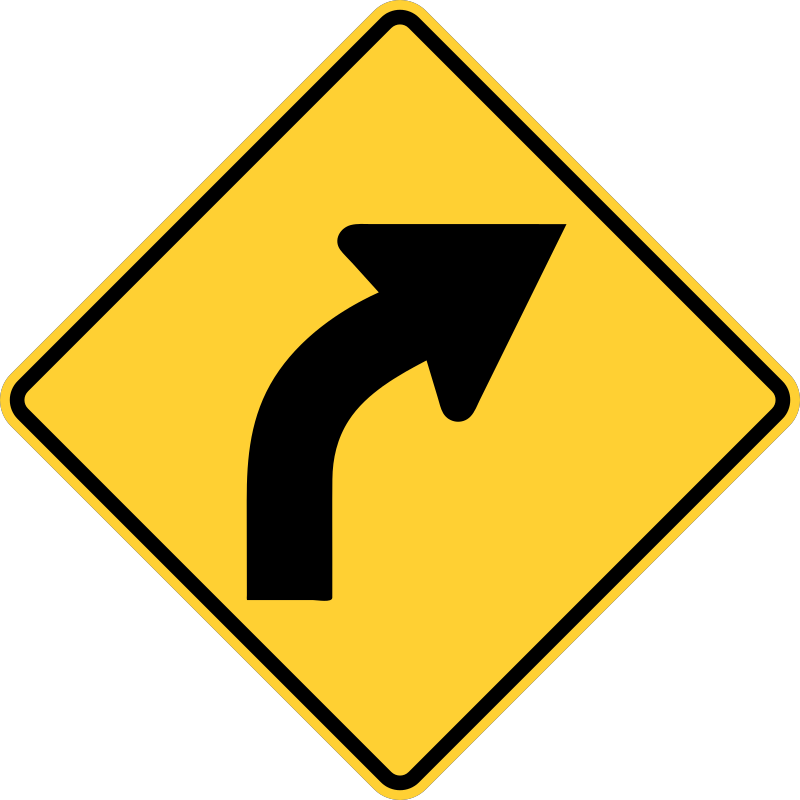 When they see this sign, drivers should:
A
increase their speed and keep well to the right.
B
slow down and keep well to the right.
C
slow down and keep well to the left.
This traffic sign indicates: slow down and keep well to the left. Observing and obeying all roadway signs ensures safe traffic flow and legal driving.
Question 22:
 This road sign means:
A
Pedestrian crossing
B
School zone
C
School crossing
This traffic sign indicates: Pedestrian crossing. Observing and obeying all roadway signs ensures safe traffic flow and legal driving.
Question 23:
A traffic light shows both a red light and a green arrow. The driver may not turn in the direction of the arrow until the red light has changed.
A
True
B
False
According to standard right-of-way regulations: False. Yielding appropriately prevents intersection collisions and maintains safe traffic flow.
Question 24:
 This sign means:
A
Not enter
B
Detour to the right
C
The road to the right is for one-way traffic only
This traffic sign indicates: Detour to the right. Observing and obeying all roadway signs ensures safe traffic flow and legal driving.
Question 25:
 What should drivers do when they see this sign?
A
Make sure the bridge is clear of oncoming traffic before they cross.
B
Look to the left and right for other traffic.
C
Allow others to merge smoothly.
This traffic sign indicates: make sure the bridge is clear of oncoming traffic before they cross. Observing and obeying all roadway signs ensures safe traffic flow and legal driving.