Question 1:
 This road sign means:
A
Pedestrian crossing
B
School zone
C
School crossing
This traffic sign indicates: Pedestrian crossing. Observing and obeying all roadway signs ensures safe traffic flow and legal driving.
Question 2:
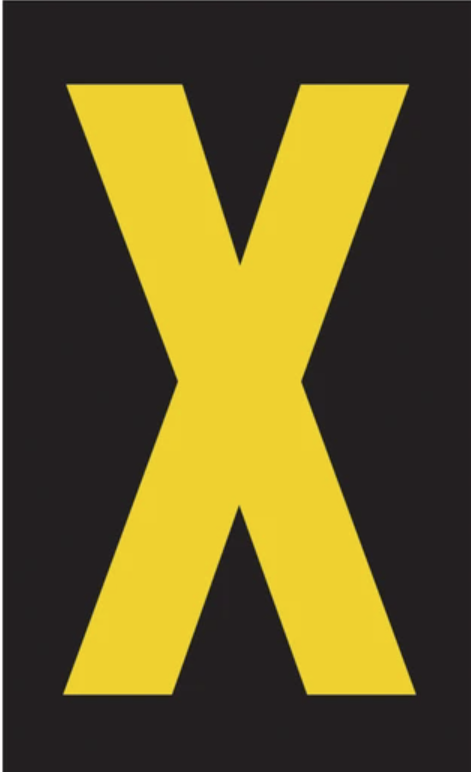 When they see a yellow X signal, drivers should:
A
come to a complete stop at the marked stop line.
B
turn off the ignition.
C
prepare to leave the lane safely.
State laws require signaling your intention: prepare to leave the lane safely. Signal at least 100 feet before making a turn or changing lanes.
Question 3:
Drinking alcohol while taking drugs:
A
reduces the effects of the alcohol.
B
reduces the effects of the drug or medicine.
C
has no effect, they are different substances.
D
could multiply the effects of the alcohol.
Under state DUI and traffic safety laws: could multiply the effects of the alcohol. Alcohol degrades judgment, slows reaction times, and distorts depth perception.
Question 4:
 A flashing yellow light:
A
warns drivers to proceed with caution.
B
is used at dangerous intersections.
C
All of the above.
Safe navigation at intersections requires following all established rules: warns drivers to proceed with caution; is used at dangerous intersections. Always yield right-of-way properly to prevent collisions.
Question 5:
A driver who's being passed on the right and the left by many vehicles while driving in the center lane of an highway should:
A
take the next exit.
B
move to the lane on their right.
C
move to the lane on their left.
Defensive driving guidelines state that: move to the lane on their right. Anticipating road hazards and communicating maneuvers keeps traffic predictable and safe.
Question 6:
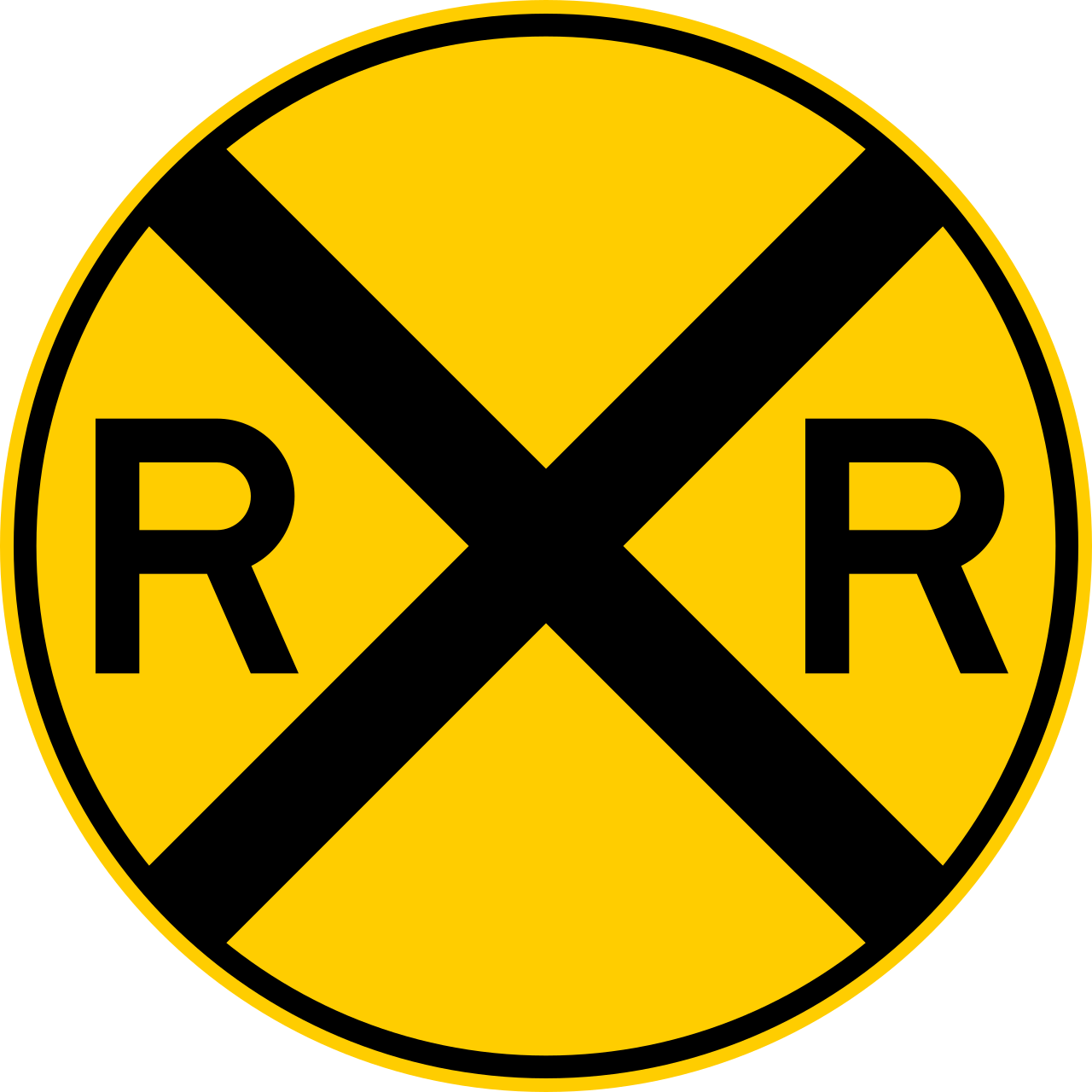 What should drivers do when they see this road sign?
A
come to a complete stop and wait for a train to cross.
B
slow down, look for a train, and be prepared to stop.
C
look for a human flagger.
This traffic sign indicates: slow down, look for a train, and be prepared to stop. Observing and obeying all roadway signs ensures safe traffic flow and legal driving.
Question 7:
For protection, motorcyclists are required to:
A
keep their headlights and taillights on at all times.
B
signal turns, lane changes and stops.
C
wear approved helmets.
The correct driving rule is: wear approved helmets. Following standard DMV road rules and practicing defensive driving ensures safety for all road users.
Question 8:
When driving in fog, drivers should use high beam headlights.
A
True
B
False
For safe speed and stopping control: False. Adjusting speed to match visibility and road traction prevents loss of steering grip.
Question 9:
Drivers should always signal when:
A
pulling into traffic from a parking area or alley.
B
changing lanes.
C
pulling out of a parking space.
D
All of the above.
Defensive driving best practices include: pulling into traffic from a parking area or alley; changing lanes; pulling out of a parking space. Staying alert and maintaining spacing prevents unexpected hazards.
Question 10:
Drivers may continue carefully through a yellow light if:
A
there are no pedestrians crossing.
B
they are turning right.
C
they already are within the intersection.
D
an emergency vehicle is crossing your lane.
According to standard right-of-way regulations: they already are within the intersection. Yielding appropriately prevents intersection collisions and maintains safe traffic flow.
Question 11:
Drivers should not sound their horn when:
A
near blind pedestrians.
B
visibility ahead is limited.
C
they may hit another vehicle.
The correct driving rule is: near blind pedestrians. Following standard DMV road rules and practicing defensive driving ensures safety for all road users.
Question 12:
A curb painted red means:
A
No parking or stopping
B
Parking is for disabled persons with a special placard or plate.
C
Reserved for passengers pick up or drop off
Under standard parking and curb regulations: No parking or stopping. Following parking distance clearances keeps roadways unobstructed and emergency lanes accessible.
Question 13:
If a vehicle is coming towards you at night with its high beams on, making it hard to see the road ahead, you should:
A
look straight ahead towards the middle of the lane.
B
look ahead towards the left edge of your lane.
C
look ahead towards the right edge of your lane.
The correct driving rule is: look ahead towards the right edge of your lane. Following standard DMV road rules and practicing defensive driving ensures safety for all road users.
Question 14:
 When they see this sign, drivers:
A
should be prepared to make sharp turns at a high speed.
B
need to be prepared to turn right and then left quickly.
C
should not speed up or brake quickly.
This traffic sign indicates: should not speed up or brake quickly. Observing and obeying all roadway signs ensures safe traffic flow and legal driving.
Question 15:
What is a likely effect when you take another drug while you drink alcohol?
A
The effects of the alcohol and the drug are enhanced.
B
There are no effects, unless the drug is prescription only.
C
If the drug is over-the-counter, there are no effects.
Under state DUI and traffic safety laws: The effects of the alcohol and the drug are enhanced. Alcohol degrades judgment, slows reaction times, and distorts depth perception.
Question 16:
 This road sign means:
A
Traffic flows only in the direction of the arrow
B
Turn right or left
C
No right turn
D
Sharp curve ahead
This traffic sign indicates: traffic flows only in the direction of the arrow. Observing and obeying all roadway signs ensures safe traffic flow and legal driving.
Question 17:
 This road sign means:
A
Keep left
B
Divided highway begins
C
Lane ends
This traffic sign indicates: Divided highway begins. Observing and obeying all roadway signs ensures safe traffic flow and legal driving.
Question 18:
 When drivers see this road sign:
A
they must come to a complete stop and call the police.
B
they must not drive past this sign.
C
they must turn around immediately.
This traffic sign indicates: they must turn around immediately. Observing and obeying all roadway signs ensures safe traffic flow and legal driving.
Question 19:
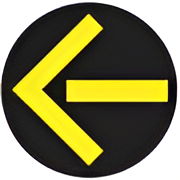 What does a yellow arrow signal mean?
A
The same as the yellow light, but applies only to movement in the direction of the arrow.
B
The same as a green light.
C
Vehicles moving in all directions must stop if they can. The light will soon be red.
State laws require signaling your intention: The same as the yellow light, but applies only to movement in the direction of the arrow. Signal at least 100 feet before making a turn or changing lanes.
Question 20:
 This road sign means:
A
Winding road ahead
B
Pedestrian crossing
C
Low ground railroad crossing
D
No-passing zone
Circular signs with an 'X' and 'RR' designate a Railroad Advance Warning: Low ground railroad crossing. Drivers must slow down, look both ways, listen for trains, and be prepared to stop.
Question 21:
A traffic sign with a red circle around and a slash over a symbol means:
A
the maneuver shown by the symbol is not allowed.
B
Do not drive faster than the posted speed limit.
C
the maneuver shown on the sign should be executed with extreme caution.
This traffic sign indicates: the maneuver shown by the symbol is not allowed. Observing and obeying all roadway signs ensures safe traffic flow and legal driving.
Question 22:
This road sign means:
A
Traffic increases ahead
B
Steep grade ahead
C
Winding road ahead
D
Slippery road ahead
This traffic sign indicates: Slippery road ahead. Observing and obeying all roadway signs ensures safe traffic flow and legal driving.
Question 23:
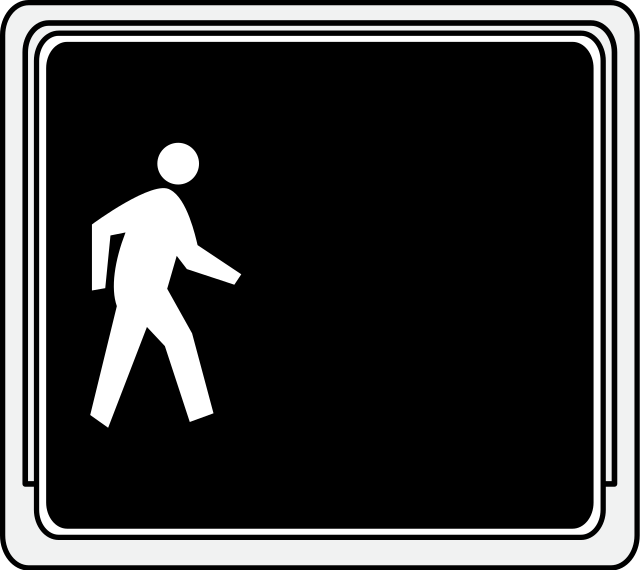 What does the pictured signal indicate?
A
A pedestrian may begin crossing the street.
B
Pedestrians may turn right.
C
A pedestrian may not not begin crossing the street.
State laws require signaling your intention: A pedestrian may begin crossing the street. Signal at least 100 feet before making a turn or changing lanes.
Question 24:
You may not park:
A
on a hill.
B
on a crosswalk or marked bicycle lane.
C
in a parking lot.
D
within 200 feet of an elementary school.
Under standard parking and curb regulations: on a crosswalk or marked bicycle lane. Following parking distance clearances keeps roadways unobstructed and emergency lanes accessible.
Question 25:
In bad weather conditions, when visibility is low, drivers should:
A
drive in the lane closest to oncoming traffic.
B
speed up to get off the road quickly.
C
increase their following distance.
The correct driving rule is: increase their following distance. Following standard DMV road rules and practicing defensive driving ensures safety for all road users.