Question 1:
One broken line indicates:
A
You can pass other vehicles and change lanes, if it is safe.
B
You can not pass other vehicles or go across the line.
C
You can change lanes, but only when traffic conditions or obstructions in the road make it necessary.
The correct driving rule is: you can pass other vehicles and change lanes, if it is safe. Following standard DMV road rules and practicing defensive driving ensures safety for all road users.
Question 2:
Drivers may need more space in front of their vehicle:
A
when following motorcycles.
B
when carrying a heavy load or pulling a trailer.
C
All of the above.
All of the listed points are essential driving requirements: when following motorcycles; when carrying a heavy load or pulling a trailer. Practicing each ensures compliance with DMV safety laws.
Question 3:
If your car goes into water, you should:
A
wait for water to rush in and let it out in small breaths through your nose.
B
call the fire department immediately.
C
remove yourself before it starts to sink.
The correct driving rule is: remove yourself before it starts to sink. Following standard DMV road rules and practicing defensive driving ensures safety for all road users.
Question 4:
The NYS law requires drivers to use their headlights:
A
from one-half hour after the sun sets to one-half hour before the sun rises.
B
when visibility is less than 1,000 feet.
C
when they use their windshield wipers to clear rain, fog or snow.
D
All of the above.
All of the listed points are essential driving requirements: from one-half hour after the sun sets to one-half hour before the sun rises; when visibility is less than 1,000 feet; when they use their windshield wipers to clear rain, fog or snow. Practicing each ensures compliance with DMV safety laws.
Question 5:
 When drivers come to this sign, they must:
A
be ready to stop at the stop sign.
B
warn other drivers that a stop sign is ahead.
C
brake sharply and come to a complete stop.
This traffic sign indicates: be ready to stop at the stop sign. Observing and obeying all roadway signs ensures safe traffic flow and legal driving.
Question 6:
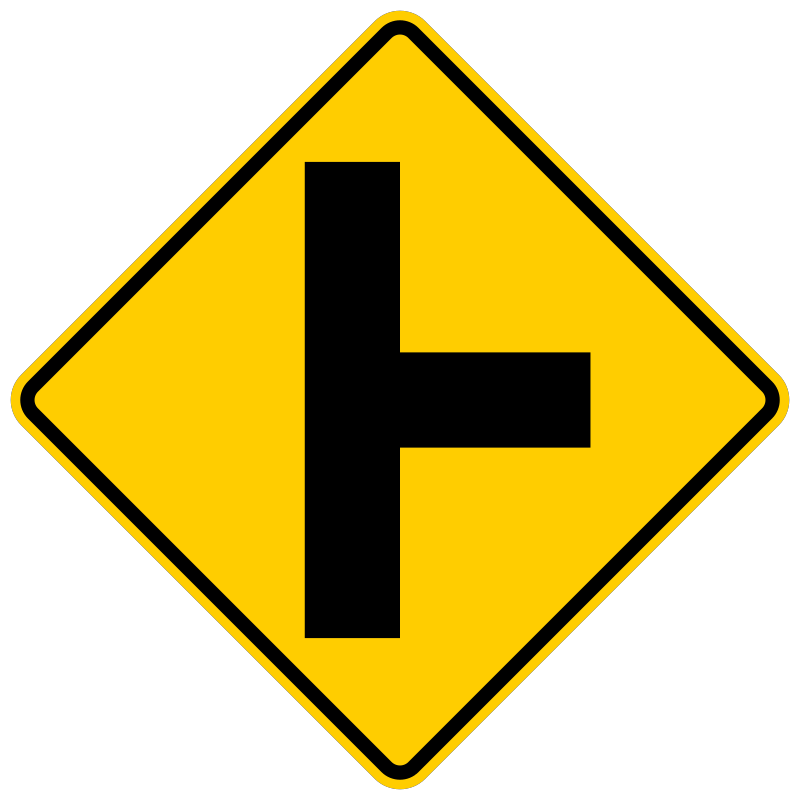 This is:
A
a side road sign.
B
a merging traffic sign.
C
a right curve sign.
The correct driving rule is: a side road sign. Following standard DMV road rules and practicing defensive driving ensures safety for all road users.
Question 7:
 What does this ‘Soft Shoulder’ sign indicate?
A
The dirt on the side of the road is soft.
B
Drivers should leave the pavement immediately.
C
Drive on the shoulder if you have soft tyres.
D
None of the above.
The correct driving rule is: The dirt on the side of the road is soft. Following standard DMV road rules and practicing defensive driving ensures safety for all road users.
Question 8:
What does a NO STANDING sign mean?
A
Drivers can not stand in front of parked vehicles.
B
Vehicles can stop only to obey a traffic sign, signal or officer.
C
Drivers must discharge passengers before leaving.
D
Drivers can only make a temporary stop to load or drop off passengers.
The correct driving rule is: drivers can only make a temporary stop to load or drop off passengers. Following standard DMV road rules and practicing defensive driving ensures safety for all road users.
Question 9:
U-turns are illegal:
A
on limited access expressways.
B
in school zones.
C
in business districts of New York City.
D
All of the above.
All of the listed points are essential driving requirements: on limited access expressways; in school zones; in business districts of New York City. Practicing each ensures compliance with DMV safety laws.
Question 10:
For protection, motorcyclists are required to:
A
keep their headlights and taillights on at all times.
B
signal turns, lane changes and stops.
C
wear approved helmets.
The correct driving rule is: wear approved helmets. Following standard DMV road rules and practicing defensive driving ensures safety for all road users.
Question 11:
Never put an infant:
A
in a child safety seat at night.
B
in a forward-facing child safety seat in the back seat.
C
in a rear-facing child safety seat in the front seat of a car that has a passenger air bag.
D
in a car.
The correct driving rule is: in a rear-facing child safety seat in the front seat of a car that has a passenger air bag. Following standard DMV road rules and practicing defensive driving ensures safety for all road users.
Question 12:
Tires with metal studs can be used in New York State only from:
A
October 16 through April 30.
B
October 23 through March 21.
C
September 14 through May 15.
D
September 30 through March 31
The correct driving rule is: October 16 through April 30. Following standard DMV road rules and practicing defensive driving ensures safety for all road users.
Question 13:
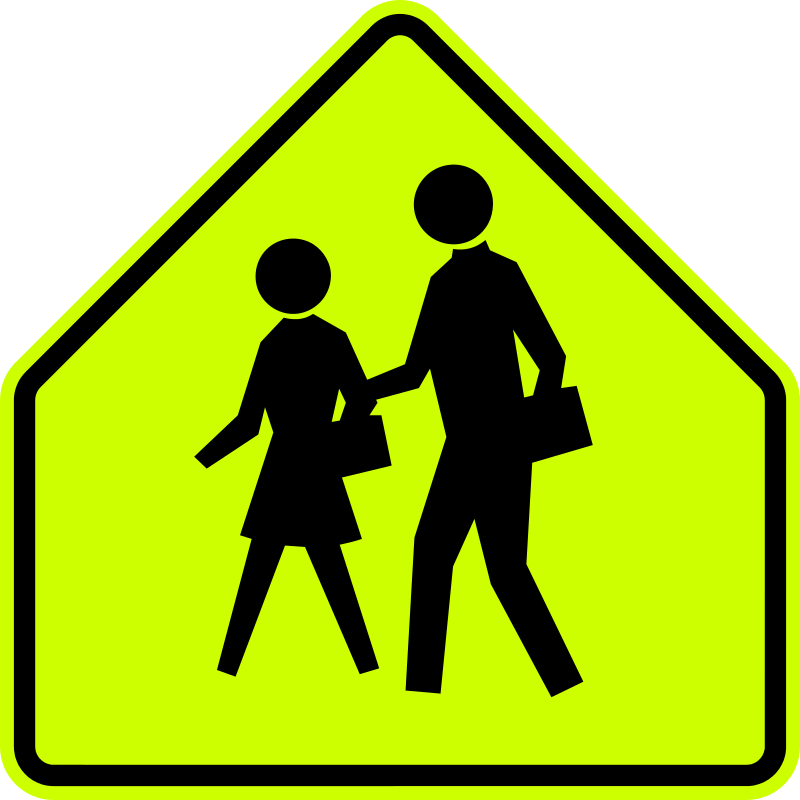 This sign means:
A
Business area nearby. Watch for business people.
B
There is a work zone ahead. Watch for workers.
C
The driver is near a school and should watch for children.
Pentagonal (5-sided) signs are exclusively reserved for school zones and school crossings: The driver is near a school and should watch for children. Drivers must reduce speed and yield right-of-way to all crossing children.
Question 14:
What do flashing red lights on a school bus indicate?
A
The bus is stopped to load or discharge passengers.
B
Traffic that approaches from either direction may proceed.
C
The bus is about to stop.
When a school bus displays flashing red lights and extended stop sign: The bus is stopped to load or discharge passengers. Traffic in both directions must come to a full stop on undivided roads until children are clear.
Question 15:
What equipment must a bicycle have when used at night?
A
A headlight and a red taillight.
B
Pedal reflectors and a horn.
C
Reflective tires and a wide-angle rear reflector.
D
Adequate brakes and a horn.
State laws require motorists to provide a safe clearance buffer: A headlight and a red taillight. Allow at least 3 feet of space when overtaking a bicyclist.
Question 16:
What is the ideal steering wheel hand placement?
A
9-3 or 8-4
B
12-6 or 11-7
C
3-6 or 4-7
D
8-4 or 10-5
The correct driving rule is: 9-3 or 8-4. Following standard DMV road rules and practicing defensive driving ensures safety for all road users.
Question 17:
If your gas pedal is stuck, you should:
A
hook your shoe under the pedal and see if you can free it. If not, shift into neutral and use the brake to slow your vehicle and get off the road.
B
ease your foot off the gas pedal and brake gently.
C
turn off the ignition if your vehicle has power steering.
The correct driving rule is: hook your shoe under the pedal and see if you can free it. If not, shift into neutral and use the brake to slow your vehicle and get off the road. Following standard DMV road rules and practicing defensive driving ensures safety for all road users.
Question 18:
In New York State, it is a traffic violation to ____________________ while driving.
A
use a hands-free phone
B
activate or end a phone call
C
speak into or listen to a hand-held mobile phone
D
All of the above.
The correct driving rule is: speak into or listen to a hand-held mobile phone. Following standard DMV road rules and practicing defensive driving ensures safety for all road users.
Question 19:
New York State has a “primary enforcement” seat belt law, which means that:
A
children in primary school are not required to wear a seat belt.
B
police officers can not issue a ticket for failure to wear a seat belt, unless you are also violating other traffic safety laws.
C
if you get stopped with a child under 6 and no child seat, you can get your first offense dismissed if you purchase an approved child restraint system before your court date.
D
a law enforcement officer can issue a traffic ticket for failure to wear a seat belt.
The correct driving rule is: a law enforcement officer can issue a traffic ticket for failure to wear a seat belt. Following standard DMV road rules and practicing defensive driving ensures safety for all road users.
Question 20:
What should you check for when you leave an expressway?
A
Flaggers.
B
Speed limit signs.
C
Deers.
D
Law enforcement officers.
The correct driving rule is: Speed limit signs. Following standard DMV road rules and practicing defensive driving ensures safety for all road users.