Question 1:
At intersections where two or more drivers stop at STOP signs at the same time and they are at right angles:
A
the driver on the left must yield to the driver on the right.
B
the driver who is late for work has the right-of-way.
C
the driver on the right must yield to the driver on the left.
The correct driving rule is: the driver on the left must yield to the driver on the right. Following standard DMV road rules and practicing defensive driving ensures safety for all road users.
Question 2:
The blood alcohol content (BAC) for drivers under 21 to be charged with driving under the influence is:
A
0.04%
B
0.02%
C
0.07%
D
0.05%
Under state DUI and traffic safety laws: 0.02%. Alcohol degrades judgment, slows reaction times, and distorts depth perception.
Question 3:
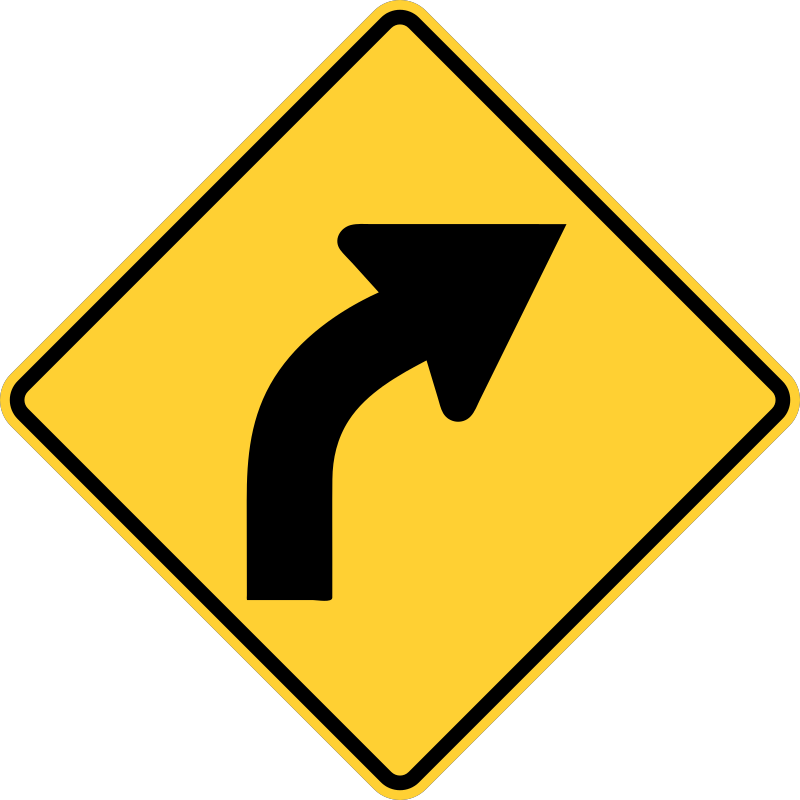 When they see this sign, drivers should:
A
increase their speed and keep well to the right.
B
slow down and keep well to the right.
C
slow down and keep well to the left.
This traffic sign indicates: slow down and keep well to the left. Observing and obeying all roadway signs ensures safe traffic flow and legal driving.
Question 4:
Speed limit signs are:
A
service signs
B
regulation signs (regulatory signs)
C
warning signs
For safe speed and stopping control: regulation signs (regulatory signs). Adjusting speed to match visibility and road traction prevents loss of steering grip.
Question 5:
 This sign means:
A
You may make a U-turn.
B
Hairpin corner ahead.
C
You must make a U-turn.
This traffic sign indicates: you must make a U-turn. Observing and obeying all roadway signs ensures safe traffic flow and legal driving.
Question 6:
Unlike passenger cars, trucks have blind spots:
A
on the right.
B
directly behind them.
C
on the front.
The correct driving rule is: directly behind them. Following standard DMV road rules and practicing defensive driving ensures safety for all road users.
Question 7:
In the following situations, drivers should increase their following interval:
A
When following vehicles that are required to come to a stop at railroad crossings.
B
When it is hard to see ahead because of bad weather.
C
All of the above.
All of the listed points are essential driving requirements: When following vehicles that are required to come to a stop at railroad crossings; When it is hard to see ahead because of bad weather. Practicing each ensures compliance with DMV safety laws.
Question 8:
You hear a siren close by but can not see where the emergency vehicle is. What do you do?
A
Keep driving until you are sure the emergency vehicle is headed toward you.
B
Stop immediately and activate your emergency flashers.
C
Pull over to the right side of the road and stop until you are sure the emergency vehicle is not headed toward you.
When sharing the road with other vehicles: pull over to the right side of the road and stop until you are sure the emergency vehicle is not headed toward you. Giving large vehicles and vulnerable users adequate clearance prevents dangerous accidents.
Question 9:
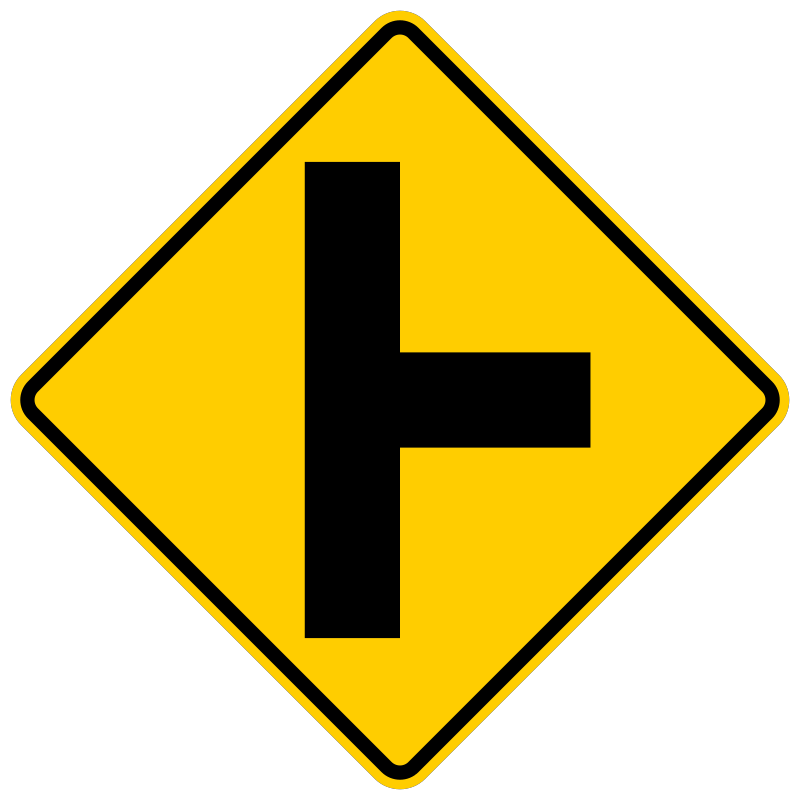 This road sign warns drivers that:
A
left turns are not allowed at the intersection.
B
the road will make a sharp turn to the right.
C
another road enters the highway from the direction shown.
This traffic sign indicates: another road enters the highway from the direction shown. Observing and obeying all roadway signs ensures safe traffic flow and legal driving.
Question 10:
If a vehicle using high beams comes toward you, you should:
A
sound your horn.
B
turn on your high beams.
C
look towards the left side of the road.
D
flash your high beams.
The correct driving rule is: flash your high beams. Following standard DMV road rules and practicing defensive driving ensures safety for all road users.
Question 11:
Your BAC depends on:
A
how much alcohol you drink.
B
how much time passes between drinks.
C
All of the above.
Alcohol and impairing substances degrade all critical driving functions: how much alcohol you drink; how much time passes between drinks. Driving while impaired carries severe criminal and safety penalties.
Question 12:
What do flashing red lights on a school bus indicate?
A
The bus is stopped to load or discharge passengers.
B
Traffic that approaches from either direction may proceed.
C
The bus is about to stop.
When a school bus displays flashing red lights and extended stop sign: The bus is stopped to load or discharge passengers. Traffic in both directions must come to a full stop on undivided roads until children are clear.
Question 13:
Yellow traffic signs:
A
guide drivers.
B
when combined with an octagonal shape, tell drivers they must come to a complete stop at the marked stop line.
C
warn drivers.
The correct driving rule is: warn drivers. Following standard DMV road rules and practicing defensive driving ensures safety for all road users.
Question 14:
More than one vehicle is approaching a four-way stop sign. Who has the right of way?
A
The first driver to reach the intersection and stop.
B
The driver on the left.
C
The last driver to reach the intersection.
At an uncontrolled intersection or 4-way stop where vehicles arrive at the same time: The first driver to reach the intersection and stop. The driver on the left must always yield to the driver on the right.
Question 15:
What is the purpose of minimum speed limits?
A
To keep a smooth traffic flow.
B
To halt the traffic flow.
C
To allow emergency vehicles with red flashing lights to safely pass other vehicles.
For safe speed and stopping control: To keep a smooth traffic flow. Adjusting speed to match visibility and road traction prevents loss of steering grip.
Question 16:
Guide signs are:
A
red with white letters.
B
green with white letters.
C
blue with white letters.
D
orange with black letters.
The correct driving rule is: green with white letters. Following standard DMV road rules and practicing defensive driving ensures safety for all road users.
Question 17:
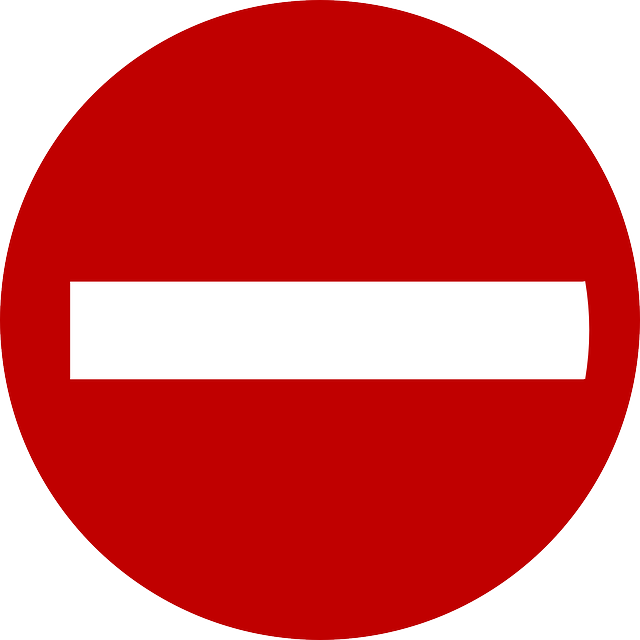 This road sign means:
A
No left turn
B
Lane ends
C
Do not enter
This traffic sign indicates: Do not enter. Observing and obeying all roadway signs ensures safe traffic flow and legal driving.
Question 18:
Highway hypnosis is a driving condition that can result from:
A
heavy traffic.
B
staring at the roadway for long periods of time.
C
travelling on HOV lanes.
D
frequent rest stops.
Defensive driving guidelines state that: staring at the roadway for long periods of time. Anticipating road hazards and communicating maneuvers keeps traffic predictable and safe.