Question 1:
Sudden wind gusts on highways:
A
are generally caused by dust and dirt blowing around.
B
can cause one to lose control of their vehicle.
C
only affect large vehicles.
The correct driving rule is: can cause one to lose control of their vehicle. Following standard DMV road rules and practicing defensive driving ensures safety for all road users.
Question 2:
You arrive at an intersection where you have a green light, but the path ahead is blocked, you should:
A
turn left and find another route.
B
stay out of the intersection until traffic clears.
C
enter the intersection and wait until traffic clears.
According to standard right-of-way regulations: stay out of the intersection until traffic clears. Yielding appropriately prevents intersection collisions and maintains safe traffic flow.
Question 3:
What should drivers do when the red lights begin to flash?
A
Stop.
B
Yield.
C
Slow down.
The correct driving rule is: stop. Following standard DMV road rules and practicing defensive driving ensures safety for all road users.
Question 4:
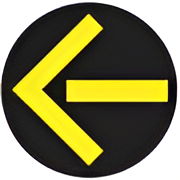 What does a yellow arrow signal mean?
A
The same as the yellow light, but applies only to movement in the direction of the arrow.
B
The same as a green light.
C
Vehicles moving in all directions must stop if they can. The light will soon be red.
State laws require signaling your intention: The same as the yellow light, but applies only to movement in the direction of the arrow. Signal at least 100 feet before making a turn or changing lanes.
Question 5:
Your license can be suspended if you are under 21 and drive with a BAC of:
A
0.15% or more.
B
any amount.
C
0.08% or more.
Under state DUI and traffic safety laws: any amount. Alcohol degrades judgment, slows reaction times, and distorts depth perception.
Question 6:
When passing another vehicle, you should:
A
assume the other vehicle will maintain a constant speed.
B
check your mirrors and blind spots.
C
drive at the same speed as the vehicle you are passing.
Defensive driving guidelines state that: check your mirrors and blind spots. Anticipating road hazards and communicating maneuvers keeps traffic predictable and safe.
Question 7:
Drivers often fail to see a motorcycle headed toward them. Why?
A
It is difficult to judge a motorcycle's speed.
B
Motorcycles are hard to see.
C
All of the above.
Sharing the road safely requires mutual awareness and respect: It is difficult to judge a motorcycle's speed; Motorcycles are hard to see. Maintaining safe space cushions protects all roadway users.
Question 8:
The ‘Slower Traffic Keep Right’ sign is used:
A
at most intersections.
B
on multiple lane highways.
C
in school zones.
The correct driving rule is: on multiple lane highways. Following standard DMV road rules and practicing defensive driving ensures safety for all road users.
Question 9:
 What does a flashing red light mean?
A
NO TURN ON RED.
B
The same thing as a stop sign.
C
Drivers may move forward with caution.
When an emergency vehicle approaches with flashing lights or sirens, you must safely pull over to the right curb and stop completely until it passes.
Question 10:
 This sign warns drivers that:
A
there is a one lane bridge ahead.
B
the right lane ends.
C
the road ahead is narrow.
This traffic sign indicates: the right lane ends. Observing and obeying all roadway signs ensures safe traffic flow and legal driving.
Question 11:
When you prepare to make a left turn from a one-way road into a one-way road, you must:
A
move into the right lane, or to the left side of a single lane.
B
move into the right lane, or to the right side of a single lane.
C
move into the left lane, or to the left side of a single lane.
The correct driving rule is: move into the left lane, or to the left side of a single lane. Following standard DMV road rules and practicing defensive driving ensures safety for all road users.
Question 12:
When parking on a public road, drivers should:
A
move as far away from traffic as possible.
B
always park on the left side of the roadway.
C
All of the above.
Under standard parking and curb regulations: move as far away from traffic as possible. Following parking distance clearances keeps roadways unobstructed and emergency lanes accessible.
Question 13:
 This road sign means:
A
Pedestrian crossing
B
School zone
C
School crossing
This traffic sign indicates: Pedestrian crossing. Observing and obeying all roadway signs ensures safe traffic flow and legal driving.
Question 14:
What do warning signs mean?
A
Danger ahead.
B
Drivers are approaching a location where there is a special rule.
C
All of the above.
All of the listed points are essential driving requirements: Danger ahead; Drivers are approaching a location where there is a special rule. Practicing each ensures compliance with DMV safety laws.
Question 15:
When in a vehicle, wear a seat belt:
A
at all times.
B
on long trips.
C
on high-speed highways.
The correct driving rule is: at all times. Following standard DMV road rules and practicing defensive driving ensures safety for all road users.
Question 16:
A flashing yellow light means:
A
The light will soon change from green to red.
B
Drive with caution.
C
Yield the right-of-way to other traffic at the intersection.
According to standard right-of-way regulations: drive with caution. Yielding appropriately prevents intersection collisions and maintains safe traffic flow.
Question 17:
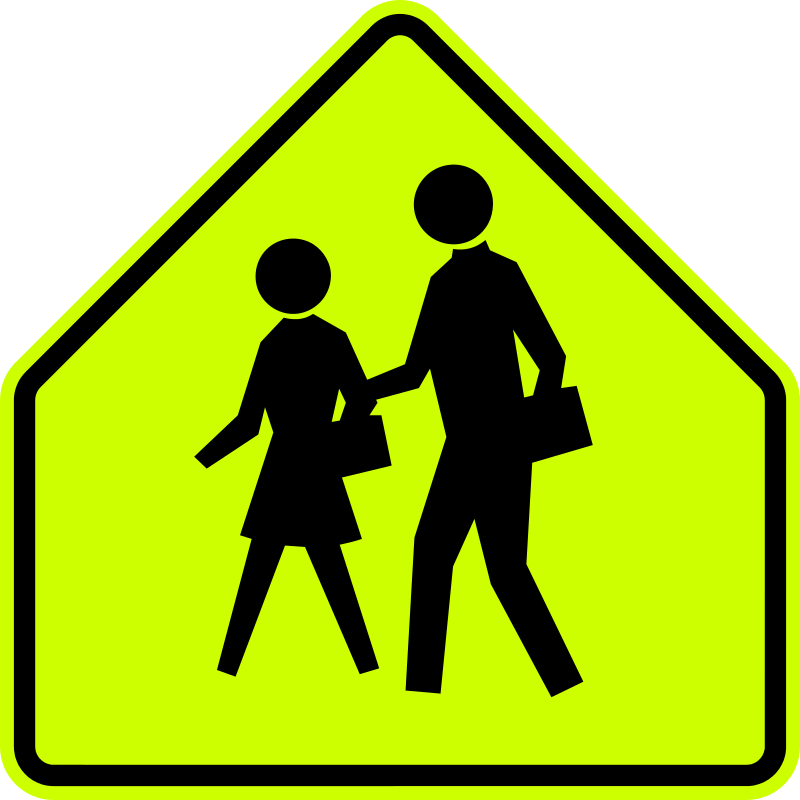 This road sign means:
A
School crossing
B
Playground ahead
C
Pedestrian crossing
Pentagonal (5-sided) signs are exclusively reserved for school zones and school crossings: School crossing. Drivers must reduce speed and yield right-of-way to all crossing children.
Question 18:
If a driver follows you too closely, you should:
A
move to another lane if possible.
B
activate your stop lights.
C
brake suddenly.
The correct driving rule is: move to another lane if possible. Following standard DMV road rules and practicing defensive driving ensures safety for all road users.
Question 19:
Blocking an intersection during rush hour traffic is not permitted:
A
under any circumstances.
B
unless you entered the intersection on a green light.
C
unless you have the right-of-way.
According to standard right-of-way regulations: under any circumstances. Yielding appropriately prevents intersection collisions and maintains safe traffic flow.
Question 20:
A yellow arrow on a traffic signal means:
A
Drivers are not required to signal before turning from that lane.
B
Be prepared to stop and give the right-of-way to oncoming vehicles.
C
Increase your speed to make the turn before the light changes.
This traffic sign indicates: Be prepared to stop and give the right-of-way to oncoming vehicles. Observing and obeying all roadway signs ensures safe traffic flow and legal driving.
Question 21:
When turning left at an intersection:
A
you should never yield to oncoming traffic and pedestrians.
B
oncoming traffic and pedestrians should yield to you.
C
you should always yield to oncoming traffic and pedestrians.
According to standard right-of-way regulations: you should always yield to oncoming traffic and pedestrians. Yielding appropriately prevents intersection collisions and maintains safe traffic flow.
Question 22:
You should use turn signals to indicate your intention with sufficient time to allow other drivers to see the signal:
A
if it’s raining.
B
AFTER you move.
C
BEFORE you move.
State laws require signaling your intention: BEFORE you move. Signal at least 100 feet before making a turn or changing lanes.
Question 23:
 This sign warns drivers that:
A
they cannot go straight ahead.
B
they will soon be facing oncoming traffic.
C
a shared lane starts ahead.
This traffic sign indicates: they will soon be facing oncoming traffic. Observing and obeying all roadway signs ensures safe traffic flow and legal driving.
Question 24:
Which shape is a railroad advance warning sign?
A
Crossbuck
B
Round
C
Pentagon
Circular signs with an 'X' and 'RR' designate a Railroad Advance Warning: Round. Drivers must slow down, look both ways, listen for trains, and be prepared to stop.
Question 25:
Your BAC depends on:
A
how fit you are.
B
the type of beverage you drink.
C
the amount of alcohol you drink.
Under state DUI and traffic safety laws: the amount of alcohol you drink. Alcohol degrades judgment, slows reaction times, and distorts depth perception.