Question 1:
When changing lanes, you should remember that:
A
vehicles with two outside mirrors have no blind spots.
B
You only need to turn and look over your right shoulder for lane changes to the right or left.
C
you should look over your left shoulder for a left lane change and your right shoulder for a right lane change.
The correct driving rule is: you should look over your left shoulder for a left lane change and your right shoulder for a right lane change. Following standard DMV road rules and practicing defensive driving ensures safety for all road users.
Question 2:
 This road sign means:
A
No left turn
B
No U-turn
C
Detour ahead
This traffic sign indicates: No U-turn. Observing and obeying all roadway signs ensures safe traffic flow and legal driving.
Question 3:
Which signs have black letters on a white background?
A
Warning signs (diamond)
B
Regulatory signs (vertical rectangle)
C
Guide signs (horizontal rectangle)
The correct driving rule is: Regulatory signs (vertical rectangle). Following standard DMV road rules and practicing defensive driving ensures safety for all road users.
Question 4:
Warning signs normally are:
A
rectangles.
B
triangles.
C
diamond-shaped.
The correct driving rule is: diamond-shaped. Following standard DMV road rules and practicing defensive driving ensures safety for all road users.
Question 5:
 What does this road sign indicate?
A
Hospital service
B
Area reserved for people with disabilities
C
Interstate highway
This traffic sign indicates: Hospital service. Observing and obeying all roadway signs ensures safe traffic flow and legal driving.
Question 6:
 This road sign means:
A
Yield
B
Look both ways before crossing the intersection
C
Crossroads ahead
A triangular Yield sign requires drivers to slow down and give right-of-way to other traffic: yield. Proceed only when there is a safe opening.
Question 7:
 This road sign means:
A
Do not pass trucks
B
Truck must back up
C
Steep downgrade ahead
This traffic sign indicates: Steep downgrade ahead. Observing and obeying all roadway signs ensures safe traffic flow and legal driving.
Question 8:
This road sign means:
A
Merging traffic
B
Steep grade ahead
C
Intersection ahead
This traffic sign indicates: Steep grade ahead. Observing and obeying all roadway signs ensures safe traffic flow and legal driving.
Question 9:
When preparing to drive, you should:
A
adjust your seat and mirrors.
B
shift the transmission to neutral.
C
pump the brakes.
The correct driving rule is: adjust your seat and mirrors. Following standard DMV road rules and practicing defensive driving ensures safety for all road users.
Question 10:
 This road sign means:
A
There is a detour ahead
B
The highway ahead is being repaired
C
Crossroads ahead
This traffic sign indicates: The highway ahead is being repaired. Observing and obeying all roadway signs ensures safe traffic flow and legal driving.
Question 11:
At a stop sign there is no stop line or crosswalk. You must stop:
A
before you enter the intersection.
B
at the next crosswalk.
C
after you enter the intersection, if you have a clear view of traffic on the intersecting roadway.
Drivers must always yield the right-of-way to pedestrians crossing at intersections and crosswalks: before you enter the intersection. Stop and allow them to clear the lane safely.
Question 12:
Reaction time is slower:
A
after drinking alcohol.
B
after sleeping.
C
between 9 and 11 PM.
The correct driving rule is: after drinking alcohol. Following standard DMV road rules and practicing defensive driving ensures safety for all road users.
Question 13:
This road sign means:
A
Truck stop ahead
B
No trucks allowed
C
Hill or downgrade up ahead
This traffic sign indicates: Hill or downgrade up ahead. Observing and obeying all roadway signs ensures safe traffic flow and legal driving.
Question 14:
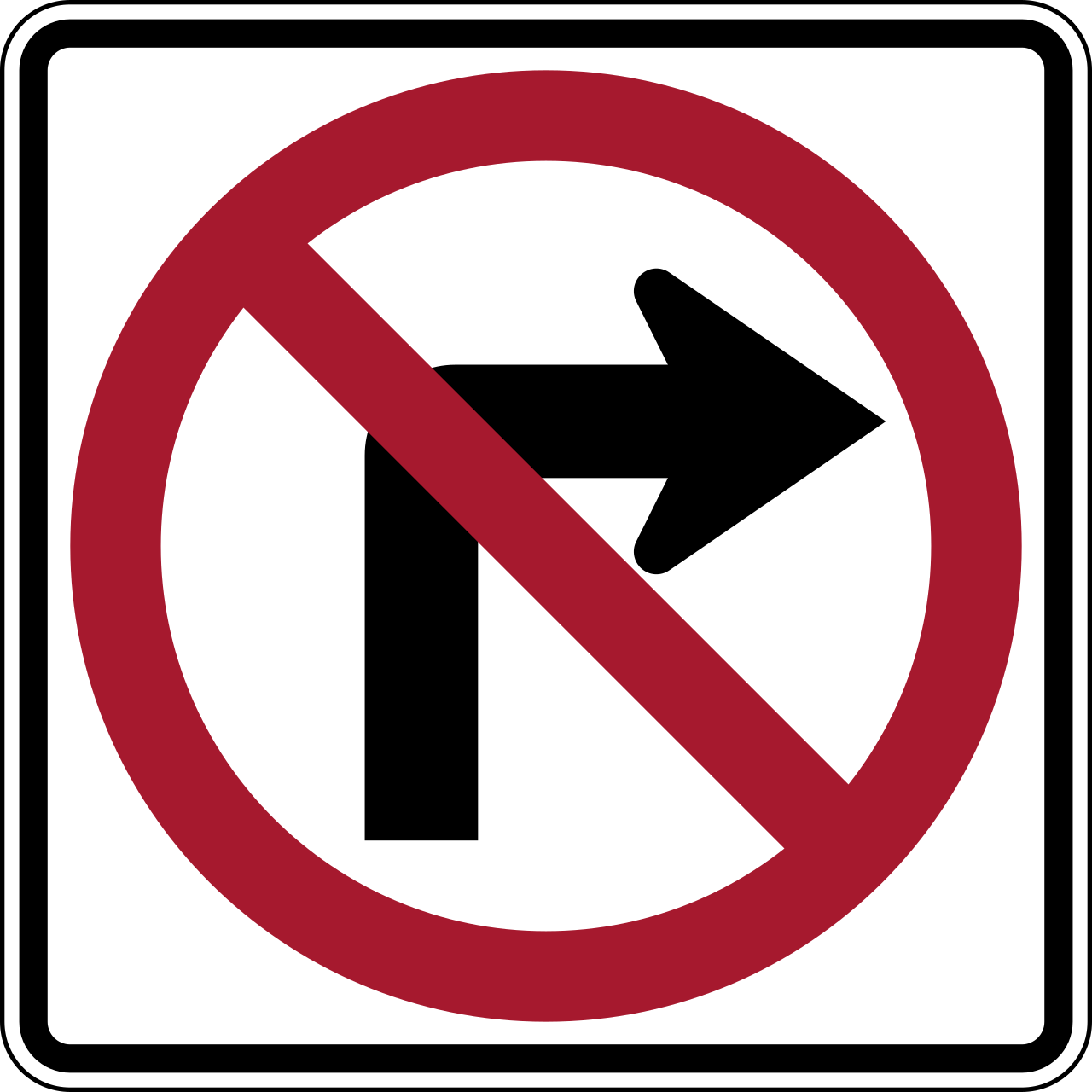 This road sign means:
A
No left turn
B
No right turn
C
No U-turns
This traffic sign indicates: No right turn. Observing and obeying all roadway signs ensures safe traffic flow and legal driving.
Question 15:
Examples of proper glass maintenance include:
A
Replacing worn wiper blades.
B
Keeping your windows clean and clear.
C
All of the above.
All of the listed points are essential driving requirements: Replacing worn wiper blades; Keeping your windows clean and clear. Practicing each ensures compliance with DMV safety laws.
Question 16:
When pedestrians are in a crosswalk, drivers should:
A
pull over to the right and stop.
B
go ahead because drivers have the right-of-way.
C
wait for them to cross.
Drivers must always yield the right-of-way to pedestrians crossing at intersections and crosswalks: wait for them to cross. Stop and allow them to clear the lane safely.
Question 17:
Regulation signs normally are ____ rectangles with ____ letters or symbols.
A
yellow; black
B
white; black
C
green; white
The correct driving rule is: white; black. Following standard DMV road rules and practicing defensive driving ensures safety for all road users.
Question 18:
Having a drivers license is:
A
a requirement.
B
a privilege.
C
a constitutional right.
The correct driving rule is: a privilege. Following standard DMV road rules and practicing defensive driving ensures safety for all road users.
Question 19:
Before entering an intersection, drivers should look:
A
left, right, then left again.
B
right, left, then right again.
C
left.
According to standard right-of-way regulations: left, right, then left again. Yielding appropriately prevents intersection collisions and maintains safe traffic flow.
Question 20:
At intersections with a yield sign, you must:
A
yield to the vehicles on your left only.
B
yield the right-of-way to cross traffic close enough to cause conflict.
C
slow down and proceed.
The correct driving rule is: yield the right-of-way to cross traffic close enough to cause conflict. Following standard DMV road rules and practicing defensive driving ensures safety for all road users.
Question 21:
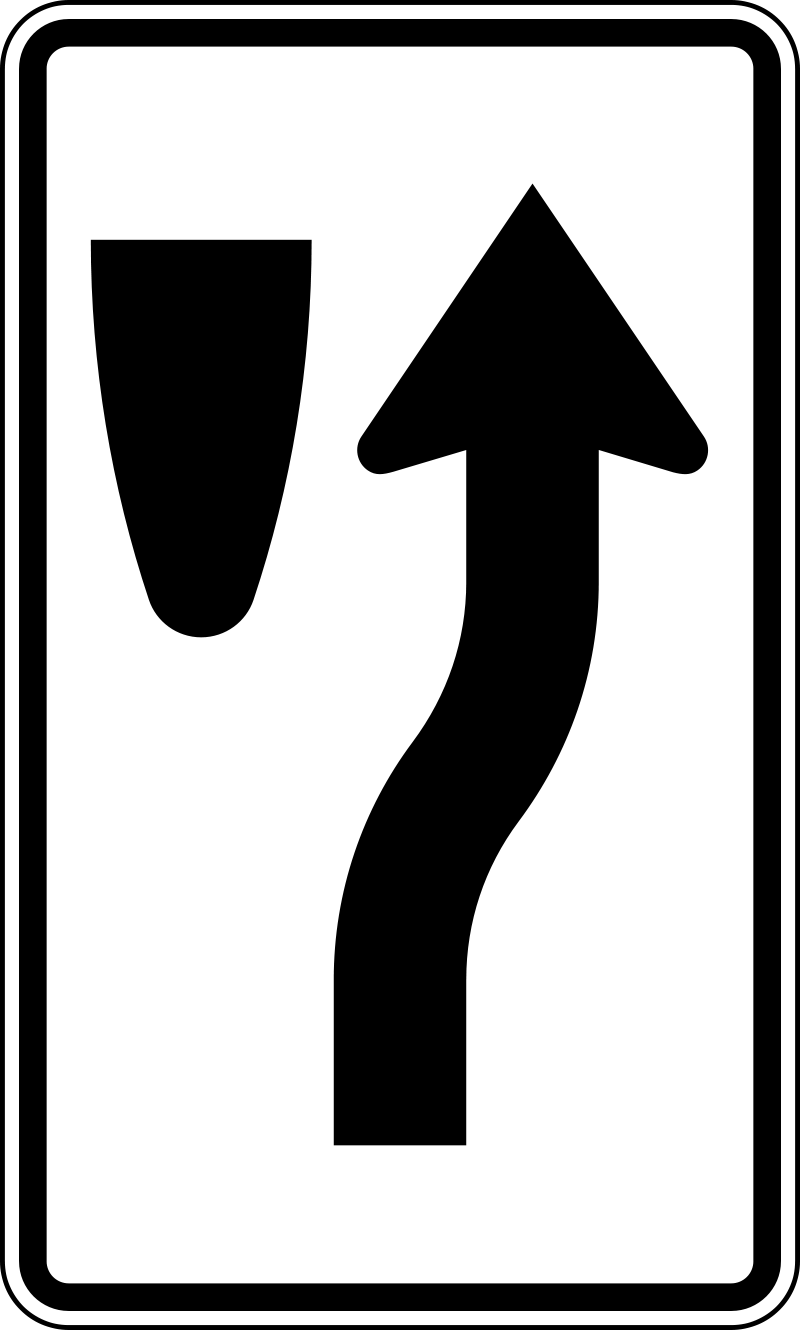 This sign tells drivers that:
A
there is a right turn ahead.
B
they must stay on the right side of the divider
C
a divided highway ends ahead.
This traffic sign indicates: they must stay on the right side of the divider. Observing and obeying all roadway signs ensures safe traffic flow and legal driving.
Question 22:
Before passing a vehicle or changing lanes, remember to:
A
only pass or change lanes if the change can be completed without speeding.
B
signal your return to the left lane.
C
sound your horn as you pass.
Defensive driving guidelines state that: only pass or change lanes if the change can be completed without speeding. Anticipating road hazards and communicating maneuvers keeps traffic predictable and safe.
Question 23:
A steady green light at intersections means:
A
You may drive through the intersection if the road is clear
B
You must increase your speed
C
You may not turn right
According to standard right-of-way regulations: you may drive through the intersection if the road is clear. Yielding appropriately prevents intersection collisions and maintains safe traffic flow.
Question 24:
 This road sign means:
A
Crossroad
B
Hospital parking ahead
C
Merge
This traffic sign indicates: Crossroad. Observing and obeying all roadway signs ensures safe traffic flow and legal driving.
Question 25:
Before you change lanes, you should:
A
look for other traffic by turning your head and looking behind you for oncoming traffic.
B
check your left mirror.
C
keep other vehicles out of your blind spots.
The correct driving rule is: look for other traffic by turning your head and looking behind you for oncoming traffic. Following standard DMV road rules and practicing defensive driving ensures safety for all road users.
Question 26:
Where there is no bicycle lane, where on the road must a bicyclist ride?
A
on the left shoulder of the road.
B
near the right curb or edge of the road.
C
near the left edge of the road.
State laws require motorists to provide a safe clearance buffer: near the right curb or edge of the road. Allow at least 3 feet of space when overtaking a bicyclist.
Question 27:
This sign indicates that:
A
there is a steep hill ahead.
B
trucks are merging from the right
C
there's a side road ahead
This traffic sign indicates: there is a steep hill ahead. Observing and obeying all roadway signs ensures safe traffic flow and legal driving.
Question 28:
Who is most at risk?
A
Drivers who have overslept.
B
Drivers who are driving long distances without rest breaks.
C
Experienced drivers.
The correct driving rule is: drivers who are driving long distances without rest breaks. Following standard DMV road rules and practicing defensive driving ensures safety for all road users.
Question 29:
This road sign means:
A
Left turns are not allowed where this sign is displayed.
B
Drivers cannot make a complete turn to go in the opposite direction.
C
Vehicles turning left must make a U-turn.
This traffic sign indicates: drivers cannot make a complete turn to go in the opposite direction. Observing and obeying all roadway signs ensures safe traffic flow and legal driving.
Question 30:
Parking is not allowed:
A
on the road side of a parked vehicle.
B
in a tunnel.
C
All of the above.
Under standard parking and curb regulations: All of the above. Following parking distance clearances keeps roadways unobstructed and emergency lanes accessible.
Question 31:
When riding in a vehicle equipped with air bags is, children ages 12 and under are safer:
A
buckled up in the back seat.
B
in the bed of a pick-up truck.
C
buckled up in the front seat.
The correct driving rule is: buckled up in the back seat. Following standard DMV road rules and practicing defensive driving ensures safety for all road users.
Question 32:
 It's 10 AM. This sign tells you that:
A
you are allowed to park until 5:30 PM.
B
you must display a special permit in order to park here.
C
you are not allowed to park here.
This traffic sign indicates: you are not allowed to park here. Observing and obeying all roadway signs ensures safe traffic flow and legal driving.
Question 33:
What should you do if a vehicle is approaching head-on in your lane?
A
Pull over to the left and use your emergency lights to stop the other driver.
B
Decrease speed, pull over to the right and sound your horn to warn the other driver.
C
Turn off the ignition if your vehicle has power steering.
The correct driving rule is: Decrease speed, pull over to the right and sound your horn to warn the other driver. Following standard DMV road rules and practicing defensive driving ensures safety for all road users.
Question 34:
An emergency vehicle that uses lights and a siren can be unpredictable. Why?
A
The driver can legally pass red lights.
B
Emergency vehicles must go faster than the posted speed limit when it is safe to do so.
C
Emergency vehicle drivers are not required to be careful.
When sharing the road with other vehicles: The driver can legally pass red lights. Giving large vehicles and vulnerable users adequate clearance prevents dangerous accidents.
Question 35:
When approaching someone using a white cane or guide dog, drivers should:
A
carefully drive around them.
B
stop until the person is well away from the roadway or path of travel.
C
honk their horn as they proceed past them.
The correct driving rule is: stop until the person is well away from the roadway or path of travel. Following standard DMV road rules and practicing defensive driving ensures safety for all road users.
Question 36:
A good rule of thumb for drivers sharing the road with a truck is:
A
it is better to drive to the immediate right of the cab.
B
always try to stay alongside a truck, but never drive right behind it.
C
if you can’t see the truck driver in their side mirror, they can’t see you.
When sharing the road with other vehicles: if you can’t see the truck driver in their side mirror, they can’t see you. Giving large vehicles and vulnerable users adequate clearance prevents dangerous accidents.
Question 37:
To avoid becoming an aggressive driver, you should:
A
Adjust your schedule to drive during times with the most highway traffic.
B
Allow enough travel time to reach your destination on schedule.
C
Listen to heavy metal music.
The correct driving rule is: allow enough travel time to reach your destination on schedule. Following standard DMV road rules and practicing defensive driving ensures safety for all road users.
Question 38:
 This road sign means:
A
Pavement ends
B
Winding road
C
Double curve ahead
This traffic sign indicates: Winding road. Observing and obeying all roadway signs ensures safe traffic flow and legal driving.
Question 39:
Broken yellow lines:
A
separate lanes of traffic moving in opposite directions.
B
indicate you are in a no passing zone.
C
separate lanes of traffic moving in the same direction.
The correct driving rule is: separate lanes of traffic moving in opposite directions. Following standard DMV road rules and practicing defensive driving ensures safety for all road users.
Question 40:
When a pedestrian is crossing a street guided carrying a white cane, drivers must:
A
help the pedestrian cross the street.
B
yield the right of way at corners only.
C
always yield the right-of-way.
Drivers must always yield the right-of-way to pedestrians crossing at intersections and crosswalks: always yield the right-of-way. Stop and allow them to clear the lane safely.
Question 41:
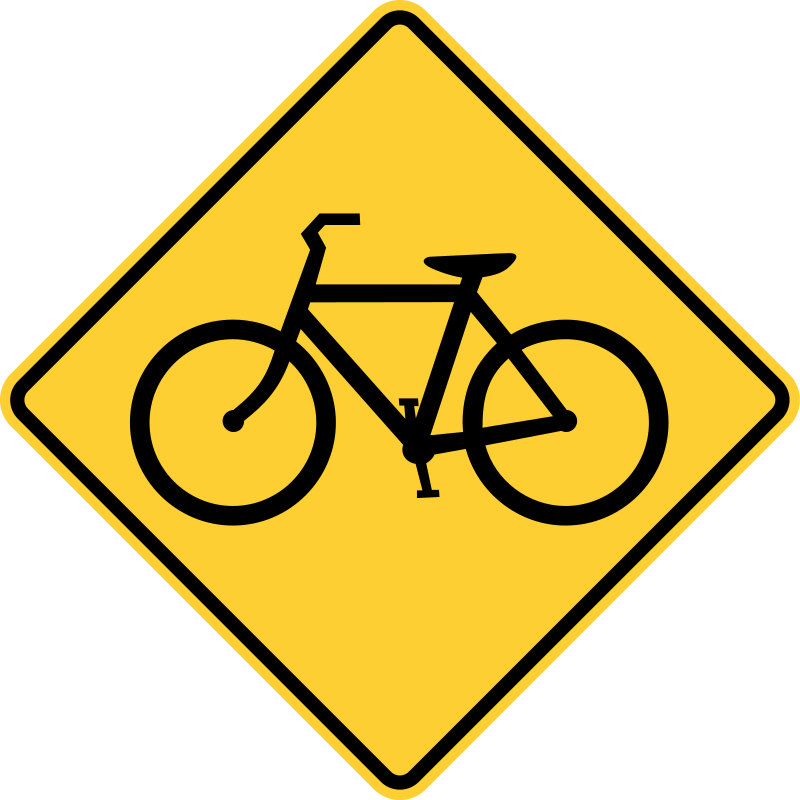 This sign means:
A
Bicycles should yield to vehicles ahead.
B
Warning: a bikeway crosses the roadway ahead.
C
The lane ahead is reserved for bicycles.
This traffic sign indicates: Warning: a bikeway crosses the roadway ahead. Observing and obeying all roadway signs ensures safe traffic flow and legal driving.
Question 42:
If cars approaching from opposite directions reach an intersection at the same time:
A
a car that moves straight must yield to cars that turn left.
B
a car that turns left must yield to cars that move straight or turn right.
C
a car that turns right must yield to cars that move straight or turn left.
According to standard right-of-way regulations: a car that turns left must yield to cars that move straight or turn right. Yielding appropriately prevents intersection collisions and maintains safe traffic flow.
Question 43:
To maintain an adequate 'space cushion' to the front, drivers need to:
A
keep a safe distance between their car and the vehicle in front.
B
The other answers are both correct.
C
control their speed to suit the road and traffic conditions.
The correct driving rule is: The other answers are both correct. Following standard DMV road rules and practicing defensive driving ensures safety for all road users.
Question 44:
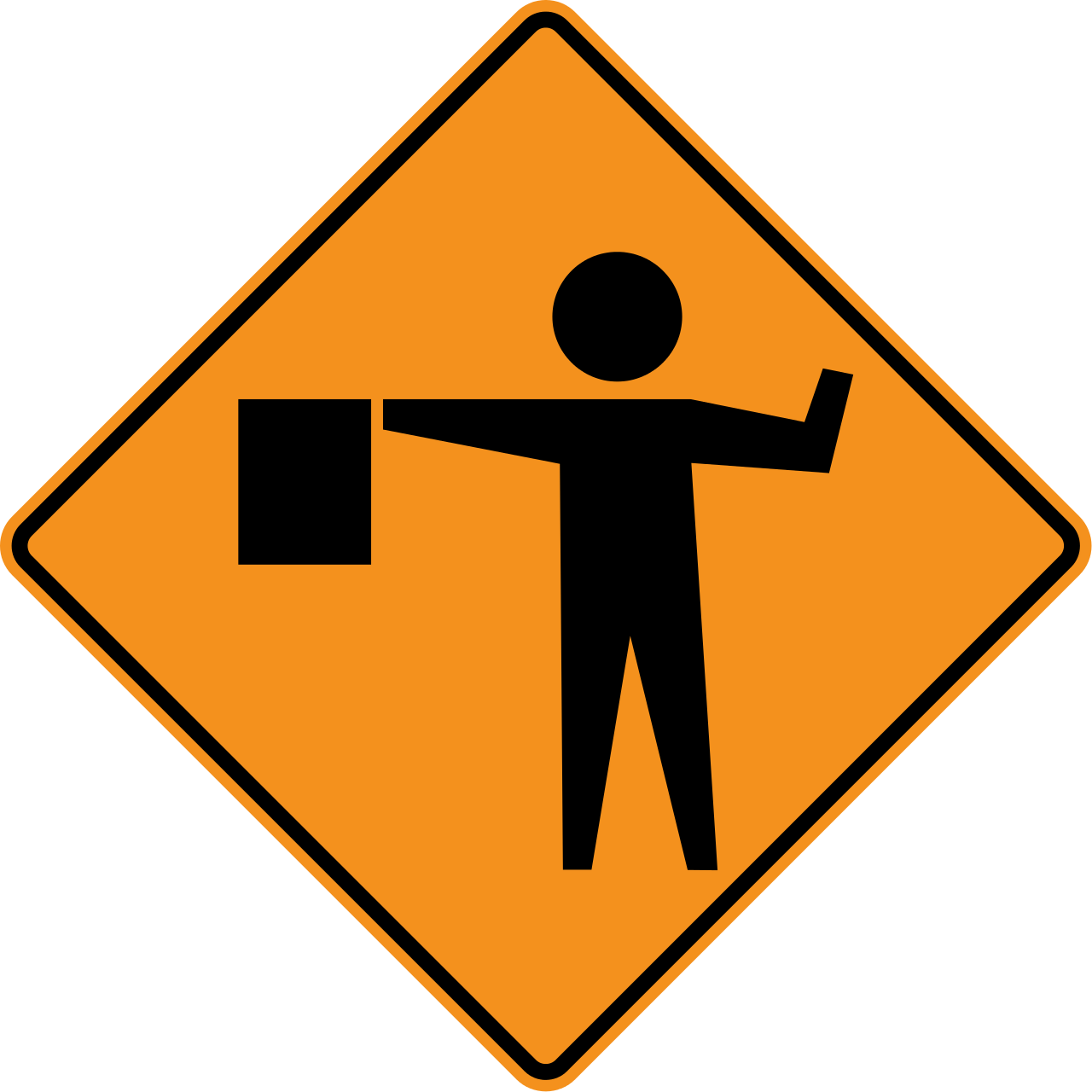 This road sign means:
A
Right lane closed
B
Do not block intersection
C
Flagger ahead
This traffic sign indicates: Flagger ahead. Observing and obeying all roadway signs ensures safe traffic flow and legal driving.
Question 45:
 This sign means:
A
Merge left
B
Merge right
C
Divided highway begins
This traffic sign indicates: merge left. Observing and obeying all roadway signs ensures safe traffic flow and legal driving.
Question 46:
A solid yellow line on your side of the center line means:
A
Stop
B
Pass with caution
C
Do not pass
The correct driving rule is: Do not pass. Following standard DMV road rules and practicing defensive driving ensures safety for all road users.
Question 47:
The use of alcohol and/or drugs affects:
A
concentration and reaction time.
B
alertness and judgement.
C
All of the above.
Alcohol and impairing substances degrade all critical driving functions: concentration and reaction time; alertness and judgement. Driving while impaired carries severe criminal and safety penalties.
Question 48:
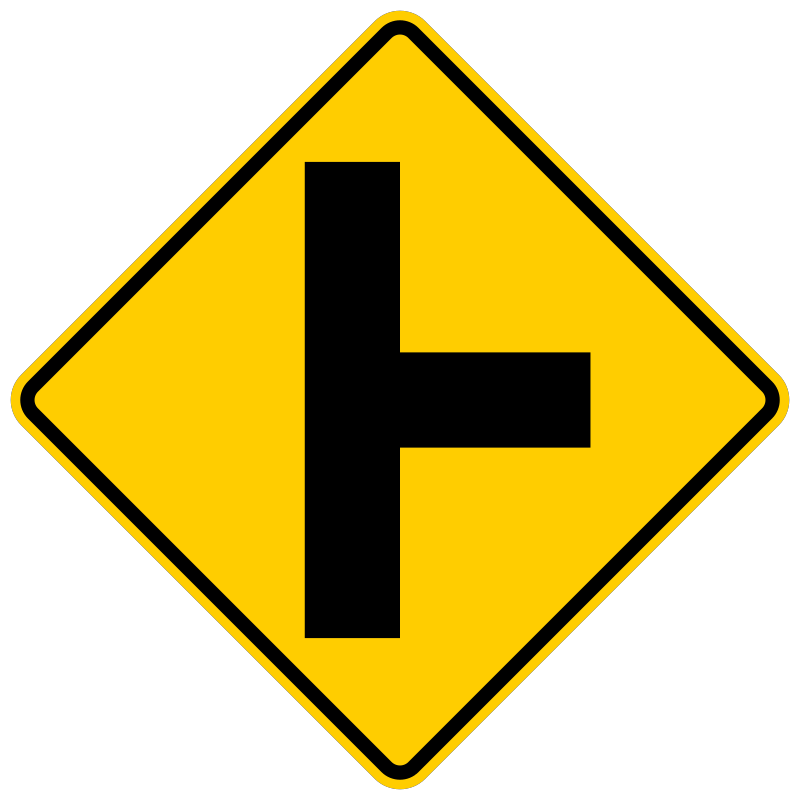 This road sign means:
A
A road joins from the right
B
All traffic must go straight ahead
C
All traffic must turn right
This traffic sign indicates: A road joins from the right. Observing and obeying all roadway signs ensures safe traffic flow and legal driving.