Question 1:
When the traffic light is green, but traffic is blocking the intersection, drivers should:
A
enter the intersection and wait for traffic to clear.
B
not enter the intersection until they can get completely across.
C
honk their horn to establish their right-of-way.
According to standard right-of-way regulations: not enter the intersection until they can get completely across. Yielding appropriately prevents intersection collisions and maintains safe traffic flow.
Question 2:
Regulation signs normally are:
A
white triangles.
B
green rectangles.
C
white rectangles.
The correct driving rule is: white rectangles. Following standard DMV road rules and practicing defensive driving ensures safety for all road users.
Question 3:
Two motorcyclists are allowed to:
A
ride side-by-side in a single lane.
B
share the lane with another vehicle.
C
race on empty roads.
The correct driving rule is: ride side-by-side in a single lane. Following standard DMV road rules and practicing defensive driving ensures safety for all road users.
Question 4:
 What does the flashing signal in the picture indicate?
A
The same thing as a stop sign.
B
Pedestrians should finish crossing the street if started.
C
Pedestrians should start crossing the street.
State laws require signaling your intention: pedestrians should finish crossing the street if started. Signal at least 100 feet before making a turn or changing lanes.
Question 5:
Road signs that point out scenic areas and parks are:
A
brown and white.
B
black and orange.
C
green and white.
The correct driving rule is: brown and white. Following standard DMV road rules and practicing defensive driving ensures safety for all road users.
Question 6:
If your front wheels start to skid, the first thing you should do is:
A
Take your foot off the gas pedal and shift to neutral.
B
Immediately turn in the direction you want to go.
C
Speed up, pump your brakes and steer in the direction the vehicle is trying to go.
The correct driving rule is: take your foot off the gas pedal and shift to neutral. Following standard DMV road rules and practicing defensive driving ensures safety for all road users.
Question 7:
When a school bus is picking up or dropping off children, you must:
A
slow down and pass the bus with caution.
B
stop if you are driving in the same direction.
C
stop regardless of your direction of travel.
When a school bus displays flashing red lights and extended stop sign: stop regardless of your direction of travel. Traffic in both directions must come to a full stop on undivided roads until children are clear.
Question 8:
A crosswalk is:
A
a special type of 4-way intersection.
B
an area designated for blind persons.
C
the area where pedestrians may cross the road.
Drivers must always yield the right-of-way to pedestrians crossing at intersections and crosswalks: the area where pedestrians may cross the road. Stop and allow them to clear the lane safely.
Question 9:
Which of the following must you obey over the others?
A
Red light
B
Stop sign
C
Police officer
The correct driving rule is: Police officer. Following standard DMV road rules and practicing defensive driving ensures safety for all road users.
Question 10:
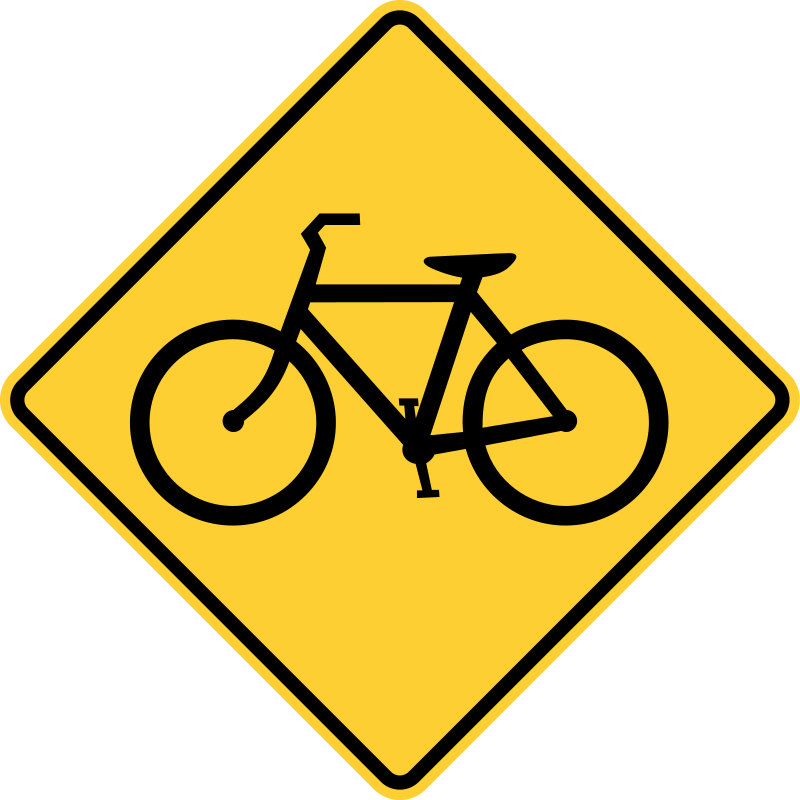 This road sign means:
A
Bicycle crossing
B
Bicycles have the right-of-way
C
This lane is reserved for bicyclists
This traffic sign indicates: Bicycle crossing. Observing and obeying all roadway signs ensures safe traffic flow and legal driving.
Question 11:
To avoid traction loss from hydroplaning, drivers should:
A
keep a constant speed.
B
apply the brakes as soon as the car starts to skid.
C
slow down.
The correct driving rule is: slow down. Following standard DMV road rules and practicing defensive driving ensures safety for all road users.
Question 12:
 This warning sign:
A
provides advance notice to upcoming speed limit change.
B
shows the current speed limit that all vehicles traveling in the direction of the arrow must not exceed.
C
indicates the suggested highest safe speed.
This traffic sign indicates: provides advance notice to upcoming speed limit change. Observing and obeying all roadway signs ensures safe traffic flow and legal driving.
Question 13:
 This road sign means:
A
Divided highway ahead - stay to the right
B
Do not enter
C
Do not pass
This traffic sign indicates: Divided highway ahead - stay to the right. Observing and obeying all roadway signs ensures safe traffic flow and legal driving.
Question 14:
You may drive faster than the posted speed limit:
A
when passing another vehicle, as long as it is safe to do so.
B
when your lane is empty.
C
Under no circumstances.
For safe speed and stopping control: Under no circumstances. Adjusting speed to match visibility and road traction prevents loss of steering grip.
Question 15:
Bicyclists must:
A
ride in a bicycle lane, if available.
B
remain to the right when they prepare for a left turn.
C
remain near the left edge of the road.
The correct driving rule is: ride in a bicycle lane, if available. Following standard DMV road rules and practicing defensive driving ensures safety for all road users.
Question 16:
What should you do if your vision through the windshield becomes blocked?
A
Pull your vehicle off the road and park it.
B
Turn on your emergency lights.
C
Open the side window so you can see.
D
All of the above.
All of the listed points are essential driving requirements: Pull your vehicle off the road and park it; Turn on your emergency lights; Open the side window so you can see. Practicing each ensures compliance with DMV safety laws.
Question 17:
Are drivers allowed to exceed the speed limit to pass other vehicles?
A
Yes, but only by 10 MPH or less.
B
No.
C
Yes, but only if they drive with caution.
For safe speed and stopping control: No. Adjusting speed to match visibility and road traction prevents loss of steering grip.
Question 18:
 This road sign tells drivers that:
A
they must change lane immediately.
B
they must turn either to the right or left.
C
the one-way street or roadway ahead ends.
D
None of the above.
This traffic sign indicates: they must turn either to the right or left. Observing and obeying all roadway signs ensures safe traffic flow and legal driving.
Question 19:
 This sign warns that:
A
traffic must merge left.
B
the bridge ahead is wide enough for only one vehicle at a time.
C
traffic must merge right.
This traffic sign indicates: traffic must merge left. Observing and obeying all roadway signs ensures safe traffic flow and legal driving.
Question 20:
Never make a U-turn from:
A
the lane you’re in.
B
the right lane.
C
the left part of the lane nearest to the centerline of the roadway.
According to standard right-of-way regulations: the right lane. Yielding appropriately prevents intersection collisions and maintains safe traffic flow.
Question 21:
Diamond-shaped signs:
A
are used to warn of hazards on roadways.
B
indicate no pass zones.
C
typically provide guidance to drivers.
The correct driving rule is: are used to warn of hazards on roadways. Following standard DMV road rules and practicing defensive driving ensures safety for all road users.
Question 22:
A diamond-shaped sign is a:
A
school zone sign.
B
warning sign.
C
regulatory sign.
The correct driving rule is: warning sign. Following standard DMV road rules and practicing defensive driving ensures safety for all road users.
Question 23:
 This sign warns drivers of:
A
low clearance.
B
a narrow bridge ahead.
C
a low place in the road.
This traffic sign indicates: a narrow bridge ahead. Observing and obeying all roadway signs ensures safe traffic flow and legal driving.
Question 24:
When passing a vehicle, it is safe to return to your lane when:
A
you look over your shoulder and see no vehicle behind you.
B
you can see both headlights of the vehicle you passed in your rearview mirror.
C
the driver you just passed signals you over.
Defensive driving guidelines state that: you can see both headlights of the vehicle you passed in your rearview mirror. Anticipating road hazards and communicating maneuvers keeps traffic predictable and safe.
Question 25:
When being passed by another vehicle, drivers should:
A
slow down.
B
slightly increase their speed.
C
maintain a constant speed.
The correct driving rule is: maintain a constant speed. Following standard DMV road rules and practicing defensive driving ensures safety for all road users.
Question 26:
You are considered to be driving under the influence when your blood alcohol concentration (BAC) is ____ or more.
A
0.05%
B
0.08%
C
0.8%
In nearly all US states, drivers age 21 and older are legally intoxicated with a Blood Alcohol Concentration (BAC) of 0.08% or higher.
Question 27:
The yield sign is ___ and white, with ___ letters.
A
yellow; black
B
red; red
C
red; white
The correct driving rule is: red; red. Following standard DMV road rules and practicing defensive driving ensures safety for all road users.
Question 28:
 This road sign means:
A
Divided highway ahead
B
Two-way traffic ahead
C
Four-lane traffic ahead
This traffic sign indicates: Two-way traffic ahead. Observing and obeying all roadway signs ensures safe traffic flow and legal driving.
Question 29:
 This sign means:
A
You can only park between 8:30 AM and 5:30 PM.
B
Parking is not allowed at 8:30 AM and at 5:30 PM
C
No parking between 8:30 AM and 5:30 PM.
This traffic sign indicates: No parking between 8:30 AM and 5:30 PM. Observing and obeying all roadway signs ensures safe traffic flow and legal driving.
Question 30:
In 55 MPH traffic you are least likely to be involved in a collision if you:
A
stay within that speed range.
B
drive a few MPH faster than most.
C
drive a few MPH slower than most.
The correct driving rule is: stay within that speed range. Following standard DMV road rules and practicing defensive driving ensures safety for all road users.
Question 31:
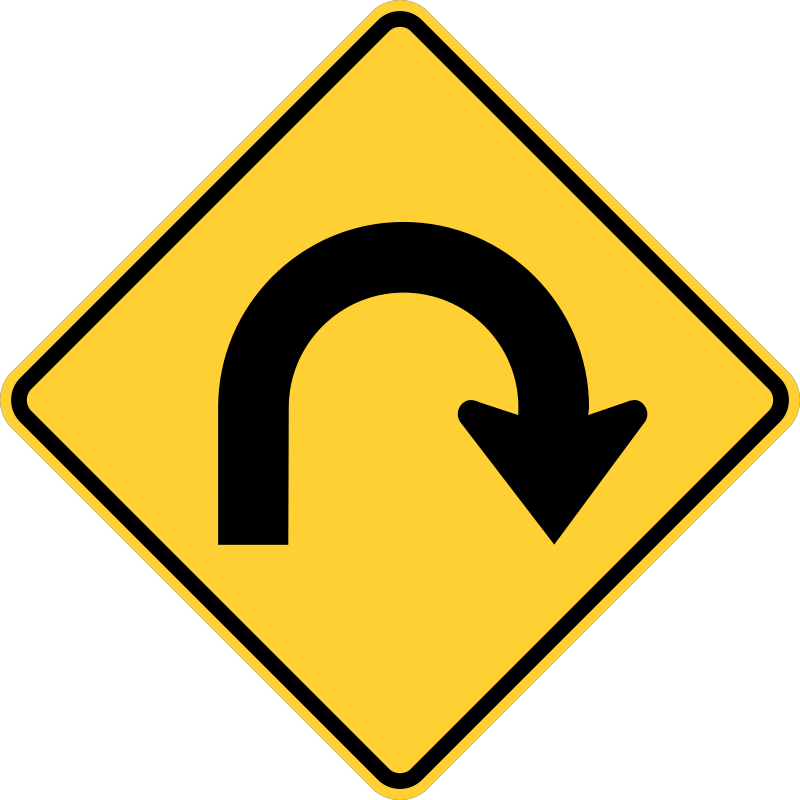 This sign means:
A
Hairpin corner ahead.
B
Warning: U-turn ahead.
C
Sharp right turn ahead.
This traffic sign indicates: Hairpin corner ahead. Observing and obeying all roadway signs ensures safe traffic flow and legal driving.
Question 32:
To prevent a fatigue-related crash while driving:
A
find a safe parking area to take a 15 to 20 minute nap.
B
drive at night when there are not as many vehicles on the roadway.
C
continue driving so you will reach your destination sooner.
Under state DUI and traffic safety laws: find a safe parking area to take a 15 to 20 minute nap. Alcohol degrades judgment, slows reaction times, and distorts depth perception.
Question 33:
 This sign indicates that:
A
the highest safe speed drivers should travel around the curve ahead is 25 MPH.
B
the safe speed around the curve ahead is at least 25 MPH.
C
drivers may not turn right if traveling at 25 MPH or less.
This traffic sign indicates: the highest safe speed drivers should travel around the curve ahead is 25 MPH. Observing and obeying all roadway signs ensures safe traffic flow and legal driving.
Question 34:
 The ‘One Way’ sign means that:
A
only vehicles turning left may travel in the direction of the arrow.
B
there is only one road that turns left at the intersection.
C
drivers may travel only in the direction of the arrow.
This traffic sign indicates: drivers may travel only in the direction of the arrow. Observing and obeying all roadway signs ensures safe traffic flow and legal driving.
Question 35:
After passing a vehicle, it is safe to return to your lane when:
A
the driver you passed slows down to let you return to your lane.
B
you can see both headlights of the vehicle you just passed in your rearview mirror.
C
you are at least 100 feet ahead of the vehicle you passed.
Defensive driving guidelines state that: you can see both headlights of the vehicle you just passed in your rearview mirror. Anticipating road hazards and communicating maneuvers keeps traffic predictable and safe.
Question 36:
This sign means:
A
Divided highway ahead.
B
Divided highway ends.
C
Drivers will soon be on a roadway with two-way traffic.
This traffic sign indicates: Divided highway ahead. Observing and obeying all roadway signs ensures safe traffic flow and legal driving.
Question 37:
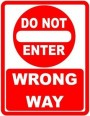 This road sign means:
A
Drivers may proceed if the way is clear
B
Drivers are about to enter a one way street the wrong way
C
U-turns are prohibited
This traffic sign indicates: drivers are about to enter a one way street the wrong way. Observing and obeying all roadway signs ensures safe traffic flow and legal driving.
Question 38:
Are bicyclists required to obey traffic laws and signs?
A
No, bicyclists are considered pedestrians when it comes to the rules of the road.
B
Yes.
C
Yes, but only if they are riding in a bicycle lane.
The correct driving rule is: Yes. Following standard DMV road rules and practicing defensive driving ensures safety for all road users.
Question 39:
If the entrance lane is too short to allow acceleration to highway speed, you should:
A
go to the next entrance ramp.
B
stop and wait for a large gap in traffic, then enter the highway and accelerate quickly.
C
merge into highway traffic as soon as possible.
For safe speed and stopping control: stop and wait for a large gap in traffic, then enter the highway and accelerate quickly. Adjusting speed to match visibility and road traction prevents loss of steering grip.
Question 40:
Before a school bus stops to load passengers, the driver will usually flash:
A
yellow warning lights.
B
red warning lights.
C
red lights.
When a school bus displays flashing red lights and extended stop sign: yellow warning lights. Traffic in both directions must come to a full stop on undivided roads until children are clear.
Question 41:
When passing another vehicle, you should:
A
assume the other vehicle will maintain a constant speed.
B
check your mirrors and blind spots.
C
drive at the same speed as the vehicle you are passing.
Defensive driving guidelines state that: check your mirrors and blind spots. Anticipating road hazards and communicating maneuvers keeps traffic predictable and safe.
Question 42:
To keep the driver behind you at a safe distance you should:
A
keep a steady speed.
B
drive 5 MPH faster than the car behind.
C
drive 5 MPH slower than the car behind.
The correct driving rule is: keep a steady speed. Following standard DMV road rules and practicing defensive driving ensures safety for all road users.
Question 43:
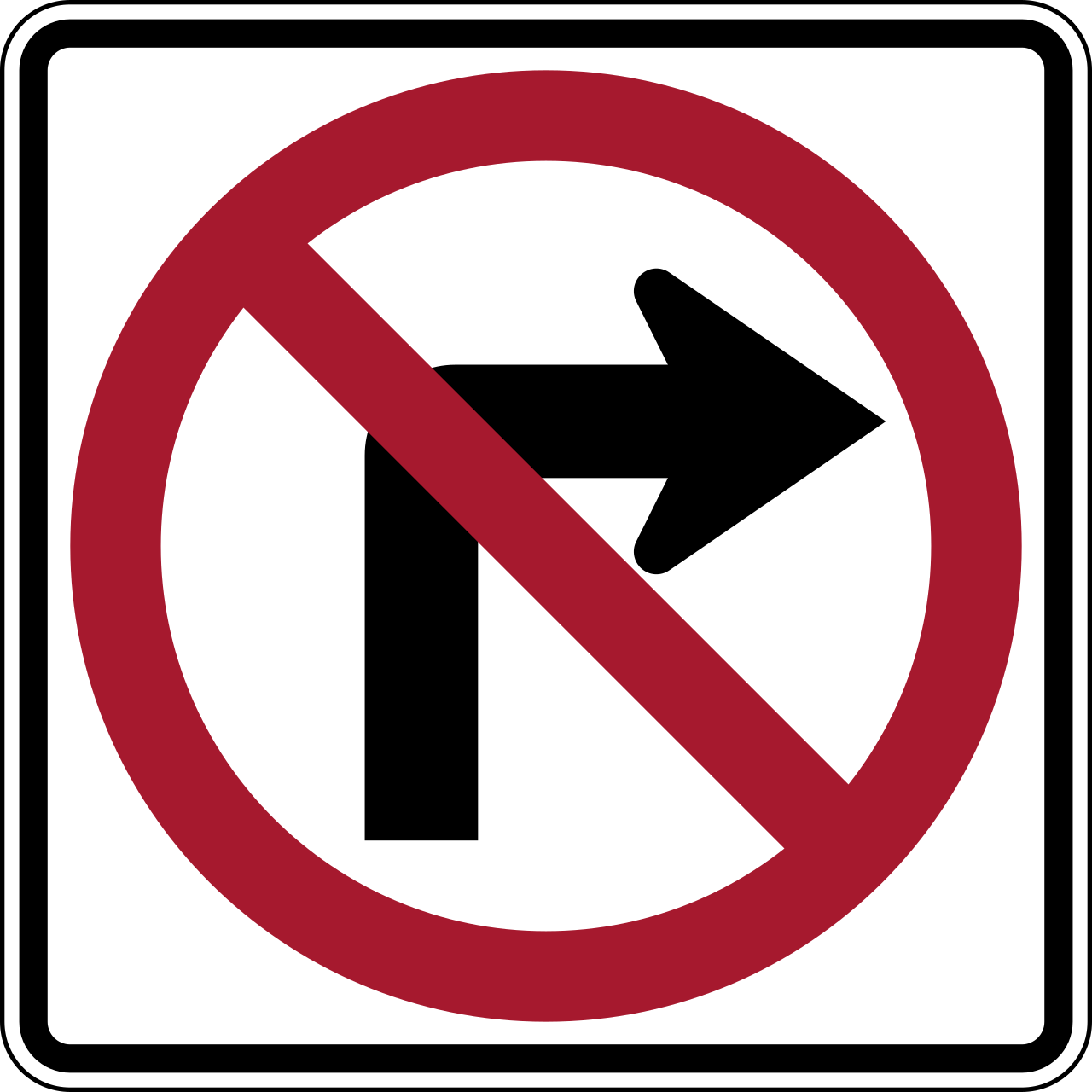 This road sign means:
A
Right turn is not permitted
B
Left turns are permitted
C
You may turn right after yielding the right-of-way to oncoming traffic
This traffic sign indicates: Right turn is not permitted. Observing and obeying all roadway signs ensures safe traffic flow and legal driving.
Question 44:
On slippery roads, drivers should:
A
leave more space in front of their vehicle.
B
increase their speed to avoid hydroplaning.
C
come to a complete stop.
For safe speed and stopping control: leave more space in front of their vehicle. Adjusting speed to match visibility and road traction prevents loss of steering grip.
Question 45:
If the vehicle you are driving starts to skid, you should:
A
brake lightly.
B
turn off the ignition.
C
stay off the brakes.
The correct driving rule is: stay off the brakes. Following standard DMV road rules and practicing defensive driving ensures safety for all road users.
Question 46:
You are driving in the far right lane of a four lane freeway and notice broken white lines on the left side of your lane. You are driving:
A
on the entrance ramp.
B
in a special lane for slow moving vehicles.
C
in an exit lane.
Defensive driving guidelines state that: in an exit lane. Anticipating road hazards and communicating maneuvers keeps traffic predictable and safe.
Question 47:
When the road is slippery you should:
A
decrease the following distance.
B
slow and pro-ceed with caution.
C
check your brakes.
For safe speed and stopping control: slow and pro-ceed with caution. Adjusting speed to match visibility and road traction prevents loss of steering grip.
Question 48:
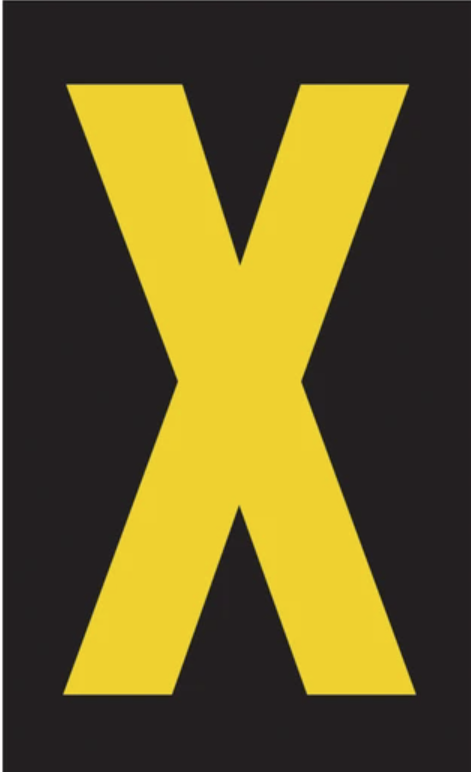 When they see a yellow X signal, drivers should:
A
come to a complete stop at the marked stop line.
B
turn off the ignition.
C
prepare to leave the lane safely.
State laws require signaling your intention: prepare to leave the lane safely. Signal at least 100 feet before making a turn or changing lanes.
Question 49:
Fatigue increases the risk of:
A
falling asleep while driving.
B
hitting a roadblock.
C
missing an exit.
Under state DUI and traffic safety laws: falling asleep while driving. Alcohol degrades judgment, slows reaction times, and distorts depth perception.
Question 50:
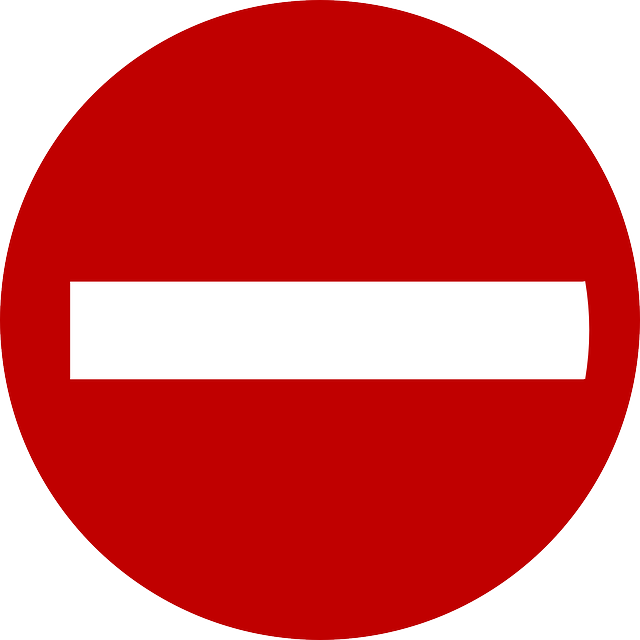 This road sign means:
A
No left turn
B
Lane ends
C
Do not enter
This traffic sign indicates: Do not enter. Observing and obeying all roadway signs ensures safe traffic flow and legal driving.