Question 1:
You are driving and you are feeling drowsy. You should:
A
avoid drinking coffee.
B
turn on the radio to keep you awake.
C
find a safe place to stop for a break.
Under state DUI and traffic safety laws: find a safe place to stop for a break. Alcohol degrades judgment, slows reaction times, and distorts depth perception.
Question 2:
When dust is blowing across the roadway making it difficult to see other vehicles, you should drive slower and turn on your:
A
headlights.
B
parking lights.
C
emergency flashers.
The correct driving rule is: headlights. Following standard DMV road rules and practicing defensive driving ensures safety for all road users.
Question 3:
If you park facing uphill where there is NO curb, you should set the parking brake and:
A
turn the wheels toward the curb.
B
leave the wheels straight.
C
turn the wheels toward the edge of the road.
When parking uphill with a curb: turn the wheels toward the edge of the road. Turn wheels away from the curb (left) so the back of the front tire catches the curb if brakes slip.
Question 4:
 This road sign means:
A
Pedestrian crossing
B
School zone
C
School crossing
This traffic sign indicates: Pedestrian crossing. Observing and obeying all roadway signs ensures safe traffic flow and legal driving.
Question 5:
What should you do if one of your tires blows out?
A
Hold the steering wheel tight and brake immediately to avoid the risk of skidding.
B
Leave the road immediately.
C
Hold the steering wheel tight and slowly take your foot off the gas pedal.
The correct driving rule is: Hold the steering wheel tight and slowly take your foot off the gas pedal. Following standard DMV road rules and practicing defensive driving ensures safety for all road users.
Question 6:
Roads are most slippery:
A
just before it rains.
B
when it stops raining.
C
when it first starts to rain.
For safe speed and stopping control: when it first starts to rain. Adjusting speed to match visibility and road traction prevents loss of steering grip.
Question 7:
Roads with double solid yellow lines in the center indicate that passing is:
A
not allowed in either direction.
B
allowed only in your direction of travel.
C
allowed in both directions.
Defensive driving guidelines state that: not allowed in either direction. Anticipating road hazards and communicating maneuvers keeps traffic predictable and safe.
Question 8:
When driving in work zones, drivers should:
A
closely follow the driver in front of them.
B
reduce their speed and be prepared to stop.
C
maintain their speed through the work zone.
The correct driving rule is: reduce their speed and be prepared to stop. Following standard DMV road rules and practicing defensive driving ensures safety for all road users.
Question 9:
 This sign warns drivers of:
A
a reduction of lanes.
B
a dip in the road. Drivers should be ready to stop if the dip is filled with water.
C
a bridge ahead, wide enough to accommodate two lanes of traffic, but with very little clearance.
This traffic sign indicates: a bridge ahead, wide enough to accommodate two lanes of traffic, but with very little clearance. Observing and obeying all roadway signs ensures safe traffic flow and legal driving.
Question 10:
The road is the most slippery:
A
when it first starts to rain.
B
after it rains.
C
All of the above.
For safe speed and stopping control: when it first starts to rain. Adjusting speed to match visibility and road traction prevents loss of steering grip.
Question 11:
A defensive driver:
A
never drives below the speed limit.
B
knows when it is safe to pass other vehicles.
C
considers what other drivers might do and is always prepared to act.
The correct driving rule is: considers what other drivers might do and is always prepared to act. Following standard DMV road rules and practicing defensive driving ensures safety for all road users.
Question 12:
Which of the following is NOT true about ABS?
A
It improves the vehicle stability.
B
It helps increase your stopping distance.
C
It improves the steering ability.
The correct driving rule is: it helps increase your stopping distance. Following standard DMV road rules and practicing defensive driving ensures safety for all road users.
Question 13:
 This sign means:
A
The center lane is shared for left turns.
B
Left turns in both directions of travel are not permitted.
C
Vehicles may only turn left.
This traffic sign indicates: The center lane is shared for left turns. Observing and obeying all roadway signs ensures safe traffic flow and legal driving.
Question 14:
 This road sign means:
A
You have the right of way
B
No Passing Zone
C
Yield the right-of-way
A triangular Yield sign requires drivers to slow down and give right-of-way to other traffic: yield the right-of-way. Proceed only when there is a safe opening.
Question 15:
If you meet a stopped school bus with the lights flashing and the signal arm extended, you should:
A
proceed at 15 MPH or less, if no children are present.
B
stop.
C
watch for children and proceed at normal speed.
When a school bus displays flashing red lights and extended stop sign: stop. Traffic in both directions must come to a full stop on undivided roads until children are clear.
Question 16:
 This road sign means:
A
Slow down or stop
B
Stop
C
Road narrows ahead
This traffic sign indicates: stop. Observing and obeying all roadway signs ensures safe traffic flow and legal driving.
Question 17:
When the road is slippery, drivers should _________ their following distance.
A
increase
B
maintain
C
decrease
For safe speed and stopping control: increase. Adjusting speed to match visibility and road traction prevents loss of steering grip.
Question 18:
Regulatory signs are:
A
white.
B
yellow.
C
green.
The correct driving rule is: white. Following standard DMV road rules and practicing defensive driving ensures safety for all road users.
Question 19:
If a traffic officer signals you to drive through a red light:
A
you must do it.
B
you must wait for the red light to turn green.
C
you must not obey the officer. Signs and signals take precedence over directions given by traffic officers.
According to standard right-of-way regulations: you must do it. Yielding appropriately prevents intersection collisions and maintains safe traffic flow.
Question 20:
The ‘Slower Traffic Keep Right’ sign is used:
A
at most intersections.
B
on multiple lane highways.
C
in school zones.
The correct driving rule is: on multiple lane highways. Following standard DMV road rules and practicing defensive driving ensures safety for all road users.
Question 21:
Aggressive driving behaviors can include:
A
excessive following distance.
B
erratic lane changes.
C
a tendency to drive slow.
The correct driving rule is: erratic lane changes. Following standard DMV road rules and practicing defensive driving ensures safety for all road users.
Question 22:
A thumping sound can be a warning:
A
that a tire blowout is about to occur.
B
of a steering failure.
C
of a brake failure.
The correct driving rule is: that a tire blowout is about to occur. Following standard DMV road rules and practicing defensive driving ensures safety for all road users.
Question 23:
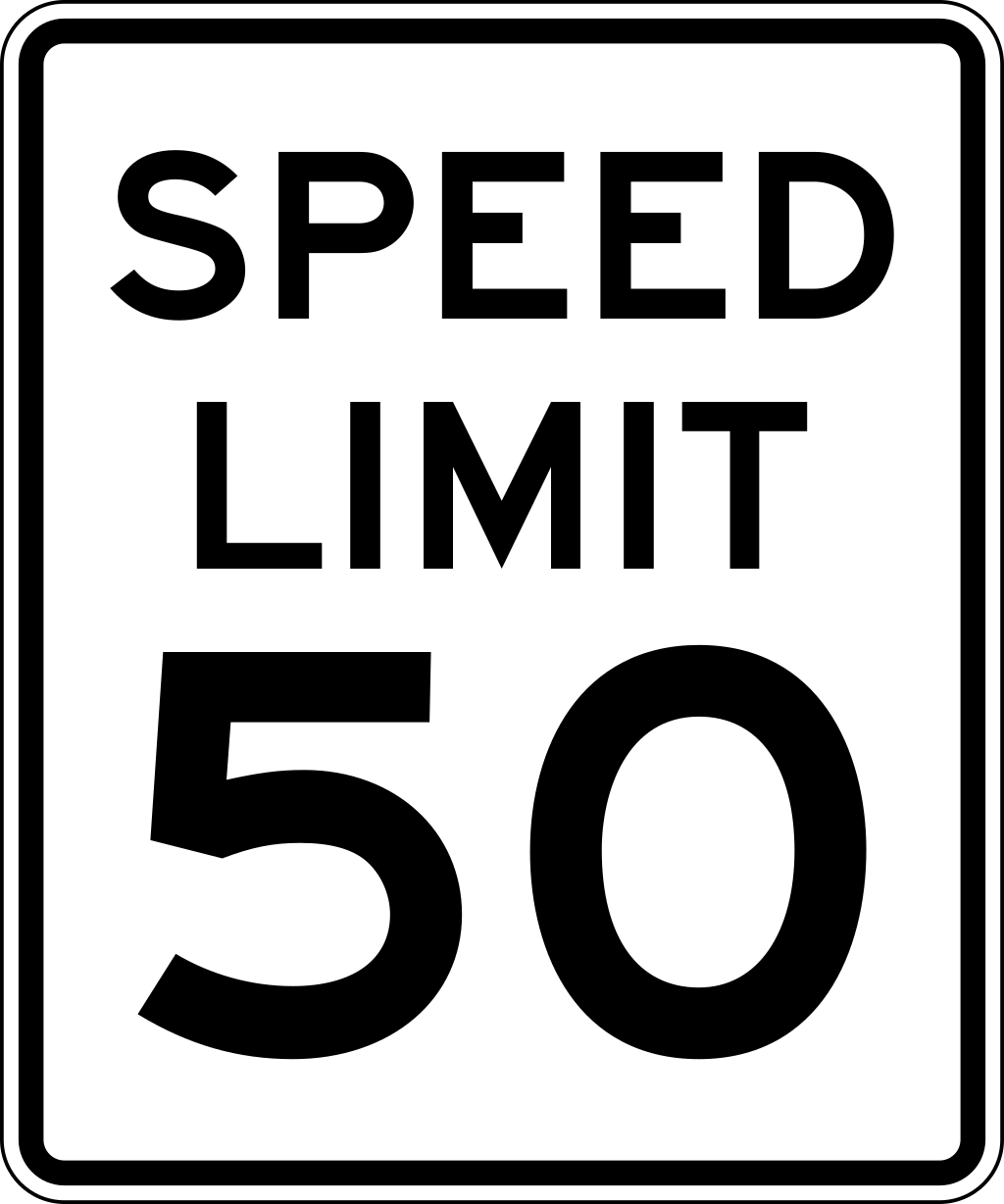 This road sign means:
A
You must travel at the speed indicated
B
The maximum speed limit under ideal conditions
C
None of the above
This traffic sign indicates: The maximum speed limit under ideal conditions. Observing and obeying all roadway signs ensures safe traffic flow and legal driving.
Question 24:
When parking on a public road, drivers should:
A
move as far away from traffic as possible.
B
always park on the left side of the roadway.
C
All of the above.
Under standard parking and curb regulations: move as far away from traffic as possible. Following parking distance clearances keeps roadways unobstructed and emergency lanes accessible.
Question 25:
You should never depend on your mirrors when you prepare to change lanes. Why?
A
Mirrors leave “blind spots” behind both sides of vehicles.
B
Mirrors need to be adjusted.
C
Mirrors are useless.
The correct driving rule is: Mirrors leave “blind spots” behind both sides of vehicles. Following standard DMV road rules and practicing defensive driving ensures safety for all road users.
Question 26:
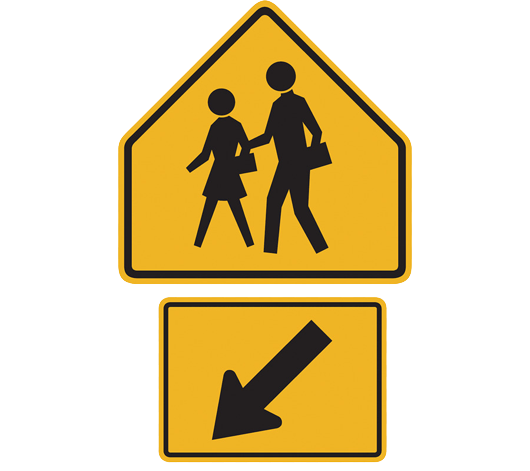 At a school crossing, drivers should:
A
always stop, whether there’s a stop sign or not.
B
always sound their horn and stay alert.
C
watch for children and be ready to stop.
The correct driving rule is: watch for children and be ready to stop. Following standard DMV road rules and practicing defensive driving ensures safety for all road users.
Question 27:
As they approach the top of a hill, drivers should:
A
prepare to stop if needed.
B
keep a steady speed.
C
speed up slightly.
The correct driving rule is: prepare to stop if needed. Following standard DMV road rules and practicing defensive driving ensures safety for all road users.
Question 28:
 This sign means:
A
The road will curve to the right, then to the left.
B
Road slippery when wet. Drive slowly.
C
Winding road ahead. Drive with caution.
This traffic sign indicates: Road slippery when wet. Drive slowly. Observing and obeying all roadway signs ensures safe traffic flow and legal driving.
Question 29:
When you approach this sign, you must:
A
stop if necessary.
B
watch for workers crossing the road.
C
None of the above.
This traffic sign indicates: stop if necessary. Observing and obeying all roadway signs ensures safe traffic flow and legal driving.
Question 30:
 This road sign means:
A
Merge right
B
Stop sign ahead
C
Reduction in lanes
This traffic sign indicates: Reduction in lanes. Observing and obeying all roadway signs ensures safe traffic flow and legal driving.
Question 31:
When driving in foggy weather, drivers should:
A
put their lights on low beam.
B
put their lights on high beam.
C
put their emergency flashers on.
The correct driving rule is: put their lights on low beam. Following standard DMV road rules and practicing defensive driving ensures safety for all road users.
Question 32:
A bad car suspension can cause:
A
pumping brakes.
B
vehicle control problems.
C
squealing brakes.
The correct driving rule is: vehicle control problems. Following standard DMV road rules and practicing defensive driving ensures safety for all road users.
Question 33:
 This sign warns drivers that:
A
they cannot go straight ahead.
B
they will soon be facing oncoming traffic.
C
a shared lane starts ahead.
This traffic sign indicates: they will soon be facing oncoming traffic. Observing and obeying all roadway signs ensures safe traffic flow and legal driving.
Question 34:
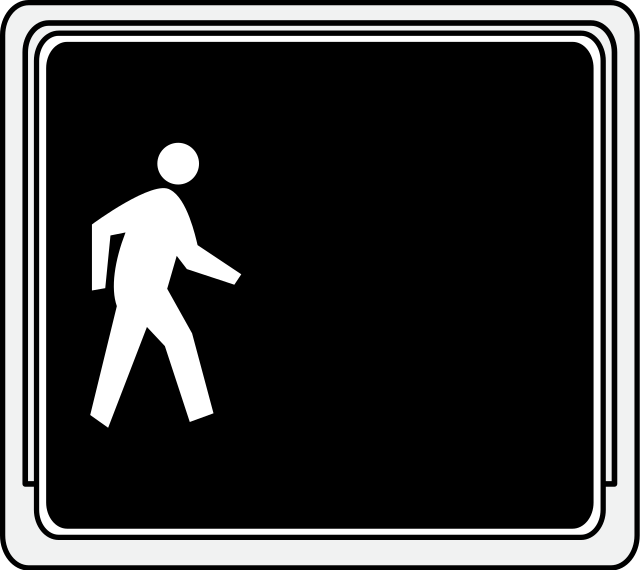 What does the pictured signal indicate?
A
A pedestrian may begin crossing the street.
B
Pedestrians may turn right.
C
A pedestrian may not not begin crossing the street.
State laws require signaling your intention: A pedestrian may begin crossing the street. Signal at least 100 feet before making a turn or changing lanes.
Question 35:
Drivers should always be looking:
A
at the left lane.
B
beside, ahead and to the rear of the vehicle.
C
directly in front of the car.
The correct driving rule is: beside, ahead and to the rear of the vehicle. Following standard DMV road rules and practicing defensive driving ensures safety for all road users.
Question 36:
On roadways, bicyclists are considered:
A
a distraction.
B
defensive drivers.
C
vehicles.
The correct driving rule is: vehicles. Following standard DMV road rules and practicing defensive driving ensures safety for all road users.
Question 37:
At a stop sign there is no stop line, you must stop:
A
before you enter the intersection.
B
before you enter the crosswalk.
C
after you enter the crosswalk.
The correct driving rule is: before you enter the crosswalk. Following standard DMV road rules and practicing defensive driving ensures safety for all road users.
Question 38:
Which statement about drinking alcohol and driving is true?
A
Alcohol affects judgement and coordination, which are needed to drive safely.
B
After drinking, a cold shower will sober you up.
C
If you are under the legal BAC limit, your driving is not affected.
Under state DUI and traffic safety laws: Alcohol affects judgement and coordination, which are needed to drive safely. Alcohol degrades judgment, slows reaction times, and distorts depth perception.
Question 39:
 This road sign means:
A
No left turn
B
No U-turn
C
Detour ahead
This traffic sign indicates: No U-turn. Observing and obeying all roadway signs ensures safe traffic flow and legal driving.
Question 40:
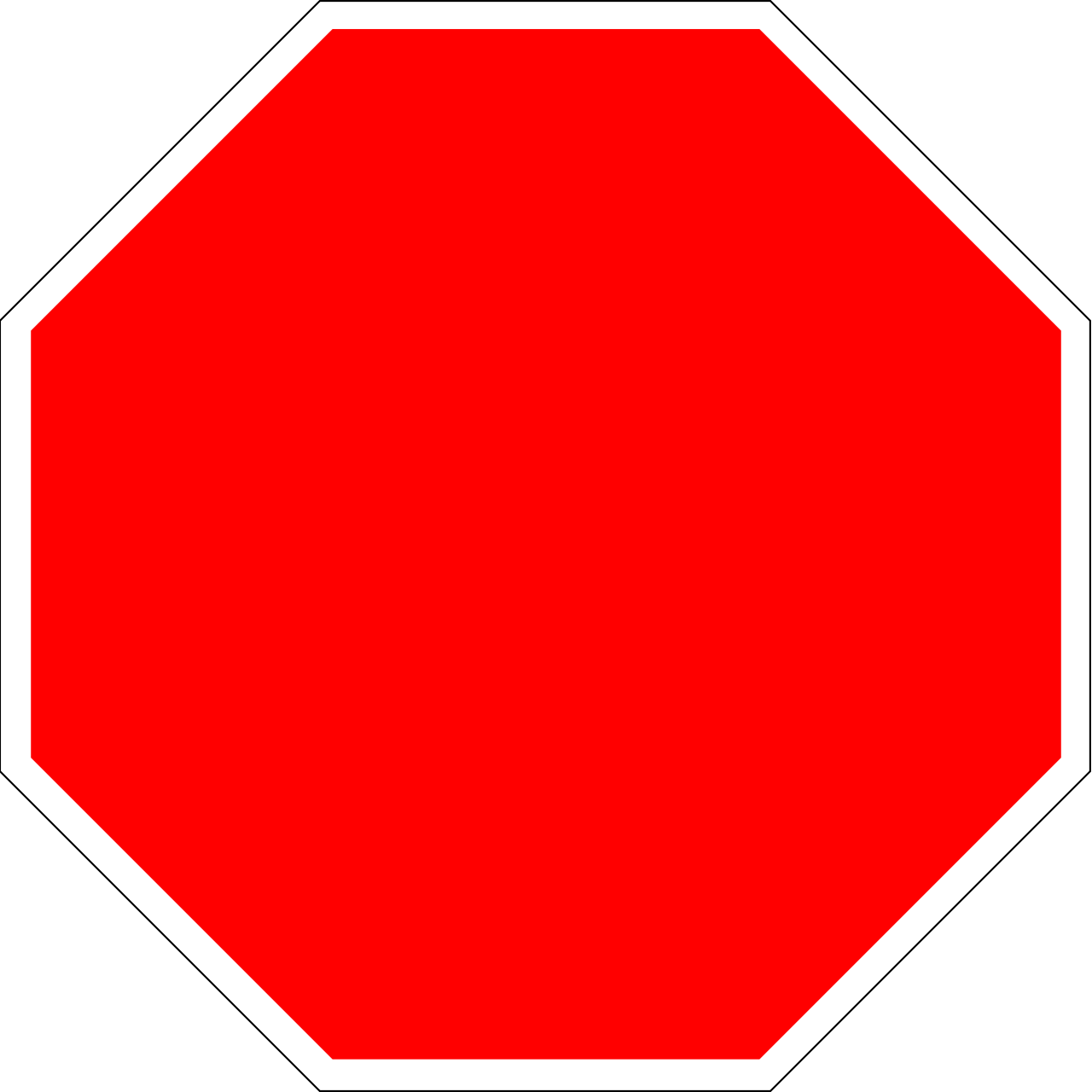 This road sign means:
A
Be prepared to stop if necessary
B
Slow down and be prepared to stop
C
Stop and yield to pedestrians and cross traffic
A triangular Yield sign requires drivers to slow down and give right-of-way to other traffic: stop and yield to pedestrians and cross traffic. Proceed only when there is a safe opening.
Question 41:
 This sign warns drivers that:
A
the road will make a sharp turn to the right.
B
right turns are not allowed.
C
another road enters the highway from the direction shown.
This traffic sign indicates: the road will make a sharp turn to the right. Observing and obeying all roadway signs ensures safe traffic flow and legal driving.
Question 42:
___________ normally are white rectangles with black letters or symbols.
A
Warning signs
B
Destination signs (guide signs)
C
Regulation signs (regulatory signs)
The correct driving rule is: Regulation signs (regulatory signs). Following standard DMV road rules and practicing defensive driving ensures safety for all road users.
Question 43:
If you encounter an aggressive driver you should:
A
show them how to drive defensively.
B
speed up.
C
get out of their way.
The correct driving rule is: get out of their way. Following standard DMV road rules and practicing defensive driving ensures safety for all road users.
Question 44:
If you have to wait for a space to enter a freeway, you should:
A
slow down on the ramp and search ahead for a gap in traffic on the freeway.
B
stop at the end of the ramp to wait for a gap in traffic.
C
maintain speed and signal other drivers to make a gap.
Defensive driving guidelines state that: slow down on the ramp and search ahead for a gap in traffic on the freeway. Anticipating road hazards and communicating maneuvers keeps traffic predictable and safe.
Question 45:
Which statement about blind spots is true?
A
Before changing lanes, you should check mirrors and look over your shoulder toward the rear.
B
Large trucks have smaller blind spots than most passenger vehicles.
C
If traffic conditions permit you should cruise in blind spot of the vehicle ahead.
The correct driving rule is: Before changing lanes, you should check mirrors and look over your shoulder toward the rear. Following standard DMV road rules and practicing defensive driving ensures safety for all road users.
Question 46:
Which sign has white letters on a red background?
A
Stop
B
School zone
C
Yield
The correct driving rule is: stop. Following standard DMV road rules and practicing defensive driving ensures safety for all road users.
Question 47:
The only effective way to reduce your blood alcohol content (BAC) is:
A
drinking coffee.
B
fresh air.
C
not to drink over a period of time.
Under state DUI and traffic safety laws: not to drink over a period of time. Alcohol degrades judgment, slows reaction times, and distorts depth perception.
Question 48:
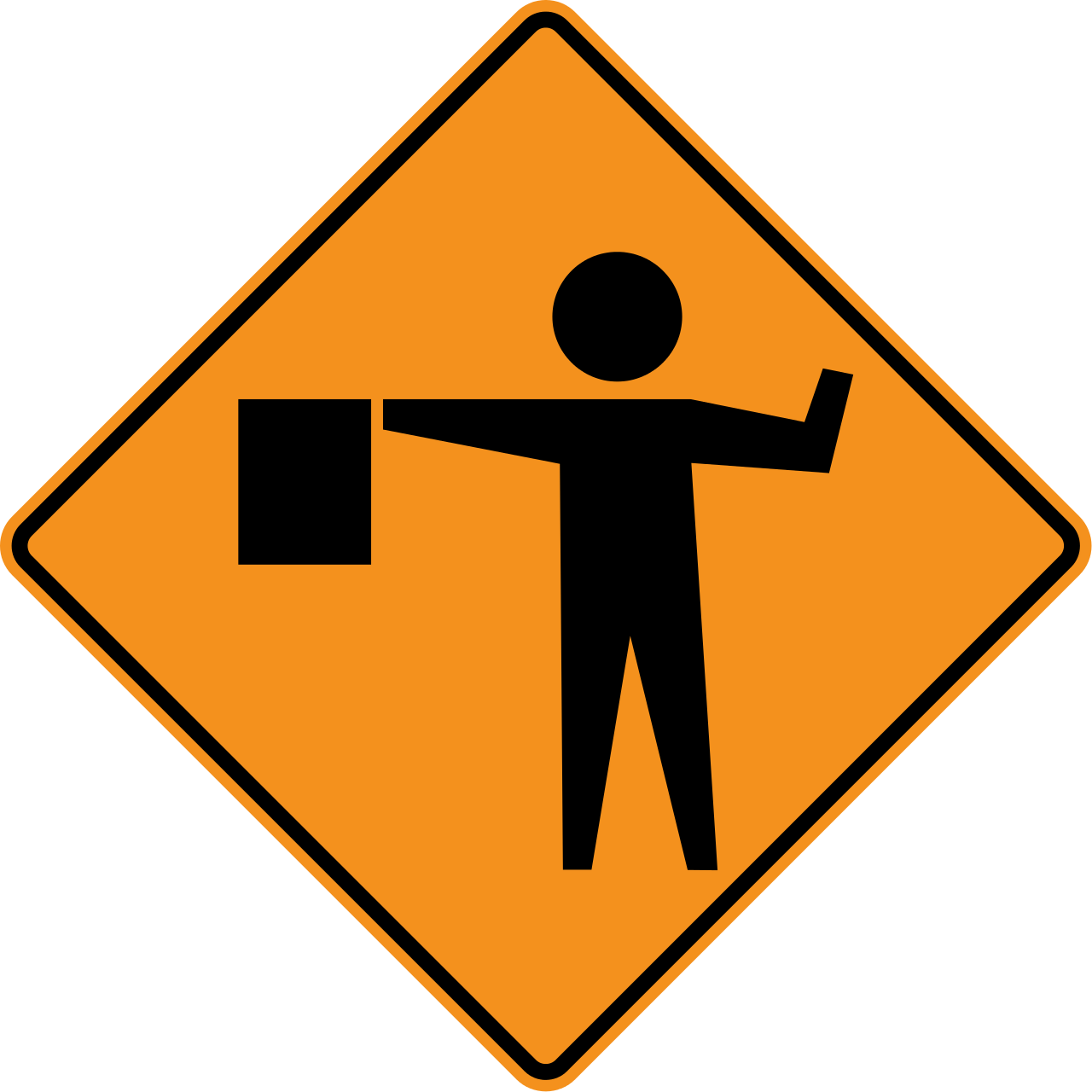 This road sign means:
A
Right lane closed
B
Do not block intersection
C
Flagger ahead
This traffic sign indicates: Flagger ahead. Observing and obeying all roadway signs ensures safe traffic flow and legal driving.
Question 49:
If your car becomes disabled on a highway, you should:
A
stop in the right lane.
B
park with all four wheels off the highway, if possible.
C
stop where you are.
Defensive driving guidelines state that: park with all four wheels off the highway, if possible. Anticipating road hazards and communicating maneuvers keeps traffic predictable and safe.
Question 50:
This road sign means:
A
Slow down, slippery when wet
B
Detour ahead
C
Road curves ahead
This traffic sign indicates: slow down, slippery when wet. Observing and obeying all roadway signs ensures safe traffic flow and legal driving.